



Heritage
A house, in its own words
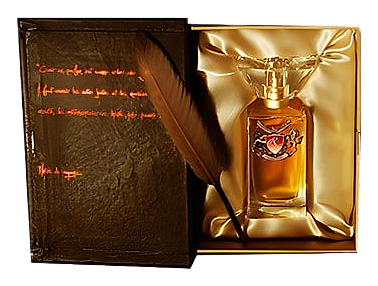
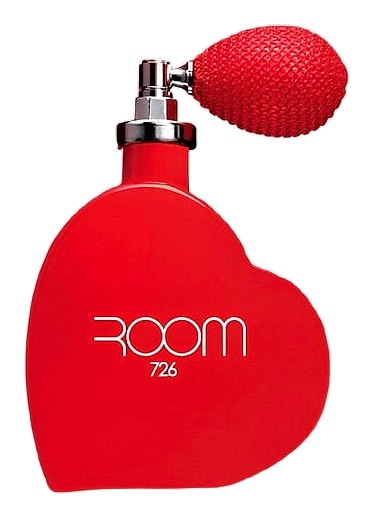
The claimed heritage of Rubino Cosmetics traces to 1895, though this date originates primarily from the brand's own marketing materials rather than independent historical documentation. Multiple perfume houses across France cite deep nineteenth-century origins (Houbigant since 1775, Lubin as a founder of modern perfumery in 1774, Guerlain in 1828), establishing a context for heritage claims within the French fragrance industry. The actual historical trajectory of Rubino remains difficult to verify independently. The fragrance house gained more visible presence through releases in the late 2000s, with concentrated activity around 2009 and 2010 when several Room 726 variations and other compositions appeared. The name Rubino (Italian for "ruby") suggests possible Mediterranean or Italian cultural connections within what appears to be a French artisanal perfume tradition. Without corroborating documentation or third-party historical records, the precise evolution of the house across its claimed century-plus history remains unclear. Research into fragrance archives and perfume history publications yields minimal independent documentation of the brand's operations prior to its contemporary releases. Rubino Cosmetics presents itself as a parfum artisanal house, emphasizing traditional methods, creative freedom, and quality ingredients in its published positioning. The brand's fragrance titles suggest thematic ambition and conceptual thinking: Predateur ou Proie (Predator or Prey) implies narrative-driven perfumery exploring duality, while the Room 726 series indicates a consistent creative framework across multiple scent variations. The range of fragrance names spanning Cosmo, Providence, and Shock demonstrates willingness to experiment across different aesthetic territories. The artisanal positioning reported in their marketing suggests smaller-scale production methods and attention to craft rather than mass-market fragrance manufacturing. Without confirmed attribution to named perfumers in available records, the creative decision-making process and nose identity behind Rubino compositions remains unspecified. The brand's approach appears aligned with niche perfumery values of artistic expression over commercial formula, though specifics of their creative philosophy beyond what appears in their own materials cannot be independently verified.