The Story
Why it exists.
The beginning
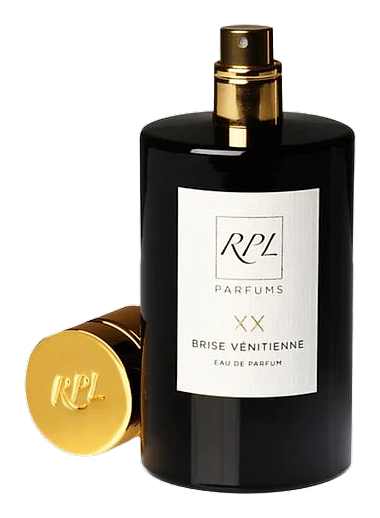
Brise Vénitienne is a release from RPL, the Copenhagen-based house. The name translates roughly as Venetian Breeze, and the brief was to capture the feeling of an old spice market, the kind where cedar crates and burlap sacks still line the stalls and the air hangs thick with nutmeg, thyme, and patchouli. Nicolas Bonneville composed it, writing a spicy-woody aromatic that reads less like Venice itself and more like the memory Venice leaves on clothes after a long afternoon wandering. The XX in the title sits inside RPL's catalogue, a label that arrives with its own quiet weight.
What makes this composition interesting is its restraint with a usually loud category. Bonneville threads the needle by anchoring the top in grapefruit and bergamot, sharp enough to cut through the spice, then grounding the base in patchouli and tonka instead of the usual amber-resin bomb. The nutmeg-cedarwood-sage heart is where the composition earns its keep, reading dusty and architectural rather than sweet. It is a spicy-woody that knows when to stop.
The evolution
The opening is where the composition announces its register. Bergamot and grapefruit arrive first, bright and citric, but they're already carrying thyme underneath, that clean herbal sharpness that signals aromatic territory from the first spray. Lavender sits in the edges, giving the opening a slightly soapy, almost medicinal quality that pulls the citrus toward something more grown. The thyme does quiet work here, threading through the citrus with a green-leaf bitterness that keeps the grapefruit from ever reading as breakfast-juice sweet. Lavender pulls double duty, softening the citrus at the surface while adding that almost apothecary edge that signals the fragrance takes its aromatics seriously. As the minutes pass, the citrus begins to recede and the warmer notes push forward.
Cultural impact
Brise Vénitienne sits within RPL's quietly growing reputation as a house worth paying attention to. Within the niche conversation, the fragrance has gathered interest from wearers drawn to aromatic and spice-led compositions, the sort of profile built around raw wood, dried herbs, and warm resin rather than the cleaner sports-fragrance territory or the sweeter gourmand end of the spectrum. Its release placed it among a wave of niche launches from that period that explored geography through perfumery, compositions built to evoke a specific place, season, or sensory memory rather than to flatter the broadest possible audience.
The House
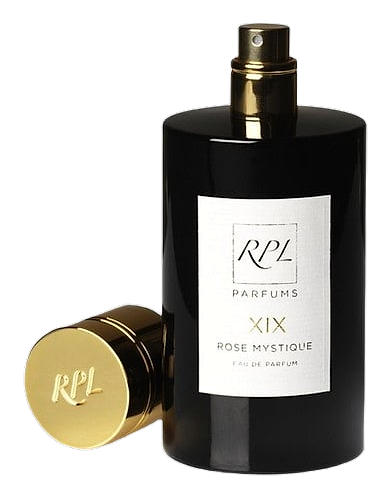
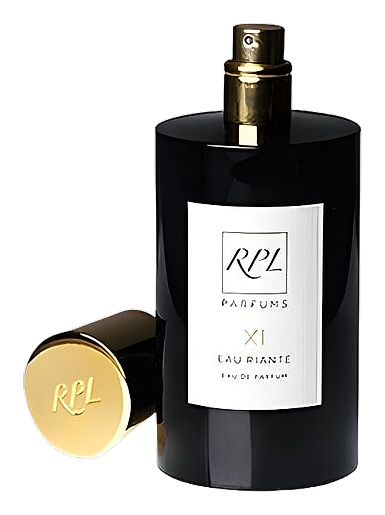
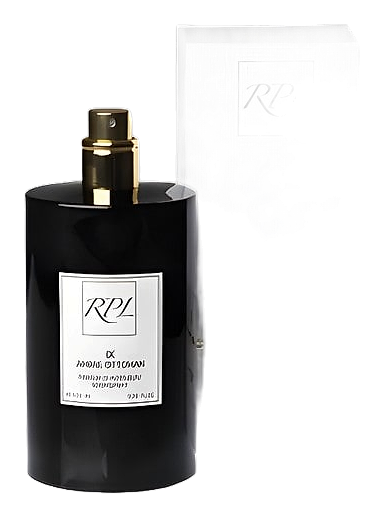
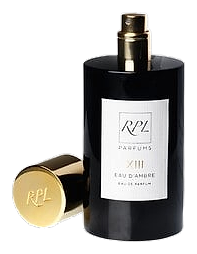
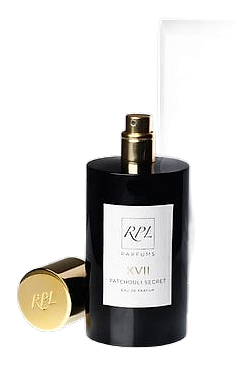
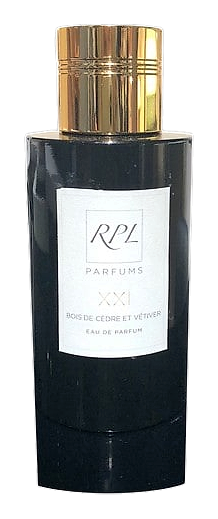
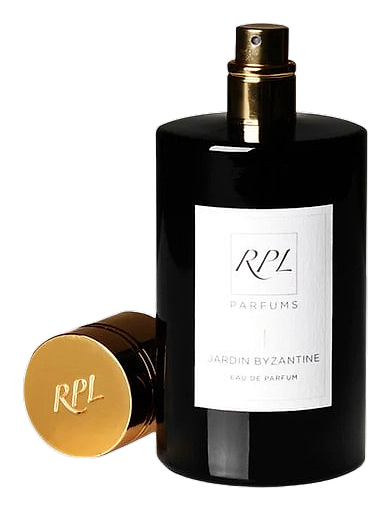
RPLRPL PARFUMS is a Copenhagen‑based perfume house that blends a traveler’s curiosity with a disciplined design ethic. Founded in 2012 by Rupert Peter Landendinger, the brand releases scents under a numbered system that hints at a chronological narrative rather than a seasonal calendar. Each fragrance carries a concise title – IX Ambre Ottoman (2017), I Jardin Byzantine (2019), XVIII Tubéreuse (2016) – and a modest concentration that invites daily wear. RPL’s catalogue balances amber, oud, vetiver and floral accords, offering a quiet alternative to louder market trends. The house positions itself as a laboratory for scent stories, inviting collectors to explore a line that feels both personal and historically anchored.
The Creator
Nicolas BonnevilleNicolas is passionate about natural raw materials, a devotion that has been inherent to him since childhood. He travels the world to follow harvests: India for jasmine sambac, Italy for mandarin and bergamot, Florence for iris, Tunisia for orange blossom.