The Story
Why it exists.
The beginning
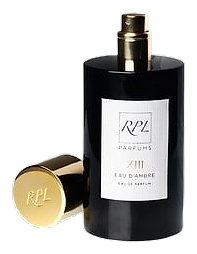
XIII Eau de Ambre arrived in 2012 from perfumer Philippe Bousseton, and it began with a single image: the view from Tangier, looking out across the Strait of Gibraltar toward long-lost palaces on the far shore. That tension, between the crisp sea air at the threshold and the weight of vanished empires on the horizon, runs through every phase of the wear. The composition holds both impulses at once, the salt-washed clarity of the opening and the deeper, resinous gravity that settles in later, without letting either one dominate. What emerges is less a fragrance than a view held in amber, the kind of scent that asks you to stand still for a moment rather than move through it.
What makes XIII unusual is how it braids two opposing moods into one composition. The top notes lean bright and almost citrus-confectionary, blood orange and grapefruit snapping against a clean apple sweetness. The base goes the other direction entirely, with amber, tobacco, and vanilla settling into the kind of warmth usually reserved for older, more baroque fragrances. Patchouli and tonka bean anchor the middle, bridging the two halves without flattening either.
The evolution
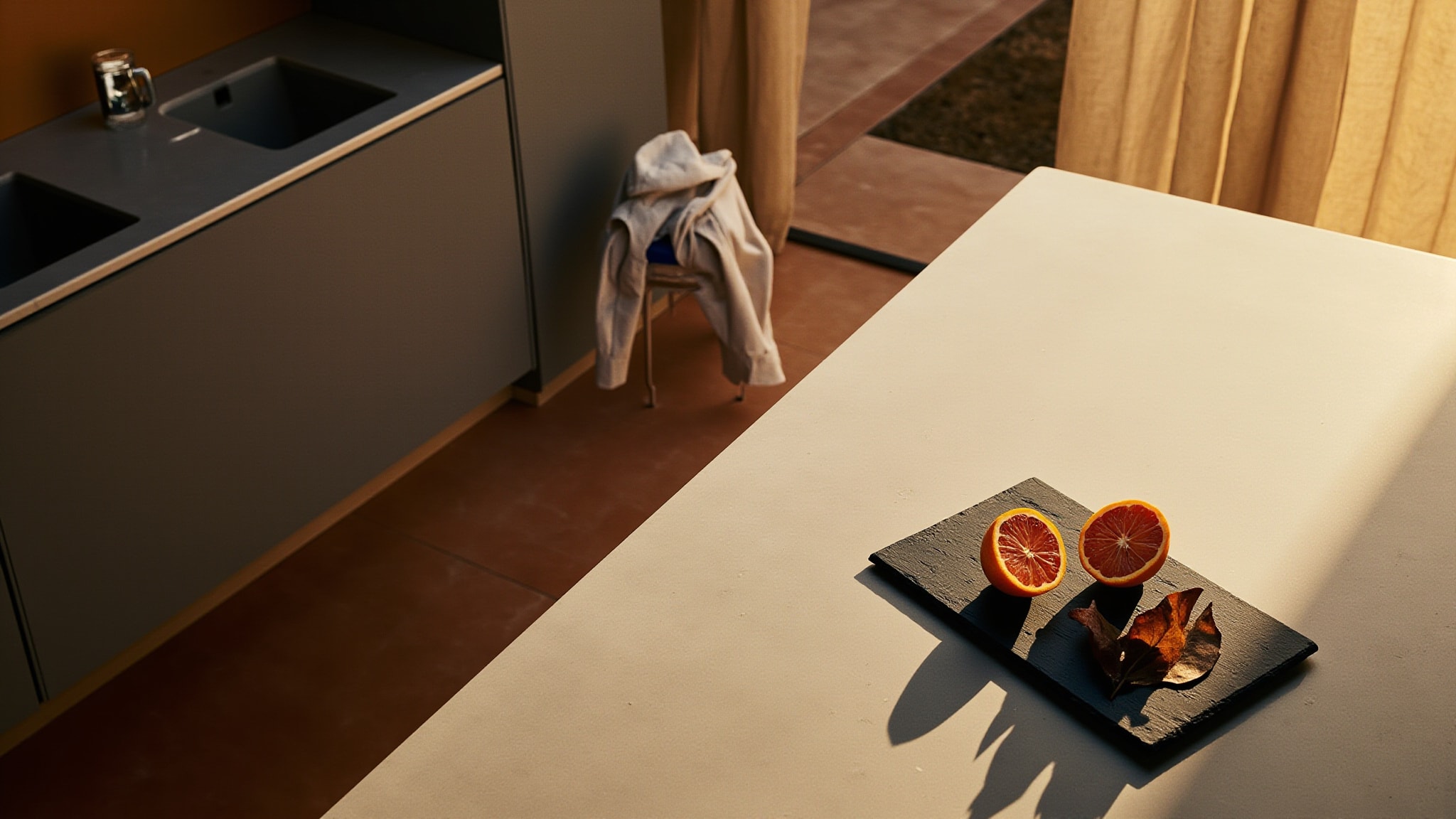
The first ten minutes are almost startling in their clarity. Blood orange and grapefruit arrive first, sharpened by apple, giving the opening a bright, slightly candied edge that reads more like a walk through a port market at noon than a typical ambré. There's a clean, almost cologne-like transparency before the heavier materials begin to register. By the thirty-minute mark, the patchouli and cedar leaves push up through the citrus, and the composition pivots. The freesia adds a green, slightly soapy lift that prevents the heart from going too dark too fast. The tonka bean begins to warm underneath, and the whole thing tilts toward resin. After two hours, the top notes are gone entirely. What's left is amber, sandalwood, tobacco, and vanilla, a quartet that behaves like the second half of a longer story.
Cultural impact
XIII Eau de Ambre works because it refuses to commit to a single mood. The citrus opening and the amber-tobacco base live in such different registers that wearing it feels less like choosing a category and more like letting two impulses coexist. For anyone drawn to the warmth of an oriental but hesitant about full resin or smoke, the composition offers a middle ground that doesn't feel like a compromise. The amber reads warm rather than heavy, the tobacco reads dry rather than acrid, and the citrus keeps the whole thing from tipping into territory that demands a winter evening to justify.