
The Story
Why it exists.
The beginning
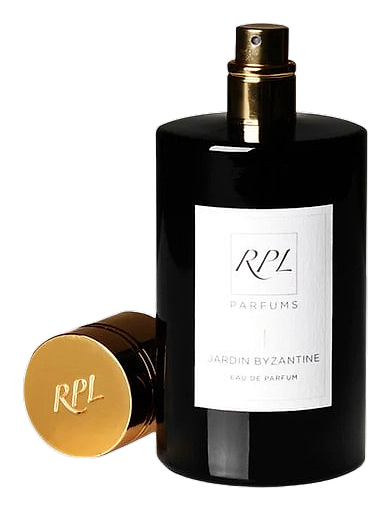
I Jardin Byzantine arrived in 2019, the work of perfumer Domitille Michalon-Bertier. The name points to the legendary gardens of Byzantium, those cultivated enclosures where citrus, spice, and stone were arranged into something both lush and deliberate. The composition carries that sense of enclosure into its structure, an enclosed garden where the air is dense with living things, but the design never feels overgrown. The scent takes the green freshness of opening notes and pairs it with deep, resinous warmth in the base, a tension that reads sophisticated rather than sweet. Mandarin orange cuts through the top with a bright, almost bitter lift of citrus zest, while pimento leaf contributes a dry, peppery bite that lands closer to allspice than chili.
What makes this composition worth a second look is the structural confidence behind it. Mandarin orange and pimento leaf are both sharp, both green, but they pull in different directions. Mandarin brings the bright, almost bitter lift of citrus zest, while pimento leaf carries a dry, peppery bite that lands closer to allspice than chili. Together they create an opening that reads complex without becoming chaotic. The middle note is where the composition makes its boldest choice: vanilla in the heart, not the base.
The evolution
On skin, I Jardin Byzantine opens with a cool, almost bitter rush of green mandarin, underscored by the peppery snap of pimento. The first fifteen minutes feel like stepping into a shaded courtyard after rain, bright but contained. By the half-hour mark, the vanilla moves into focus. It doesn't announce itself; it just quiets the green, adds a soft, warm roundness that makes the composition feel less like citrus and more like a memory of citrus. Around the four-hour mark, patchouli takes over the center stage. It arrives earthy and slightly smoky, pulling ambergris up with it. The drydown is the longest phase, lasting well past the eight-hour mark if applied to fabric. On a wool scarf the next day, what remains is a warm, skin-like ambergris trace, intimate and almost musky.
Cultural impact
I Jardin Byzantine arrived in 2019 as one entry in the brand's numbered sequence, a system that organizes releases by Roman numeral and year. The name itself draws on the legendary gardens of Byzantium, those cultivated spaces where citrus, spice, and stone were arranged into something lush yet deliberate. The green mandarin opening, pimento-vanilla heart, and patchouli-ambergris base echo the contrast between living growth and weathered architecture that defined those gardens.
The House
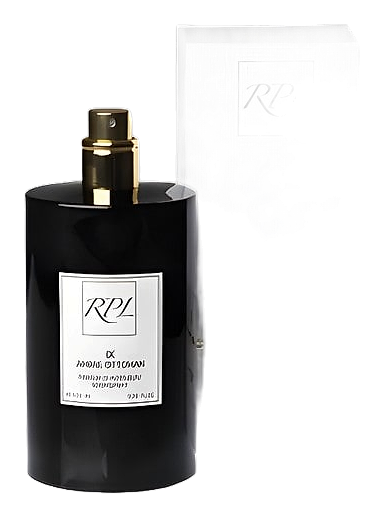
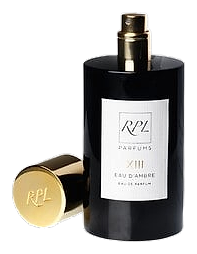
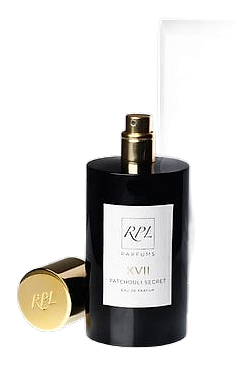
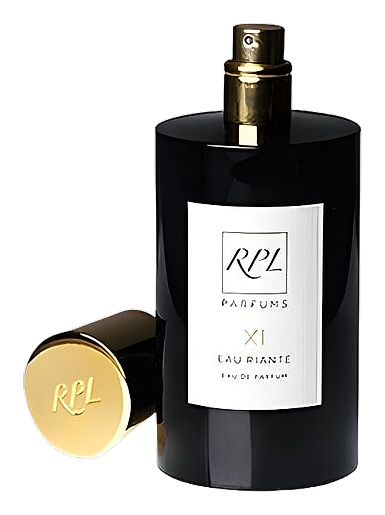
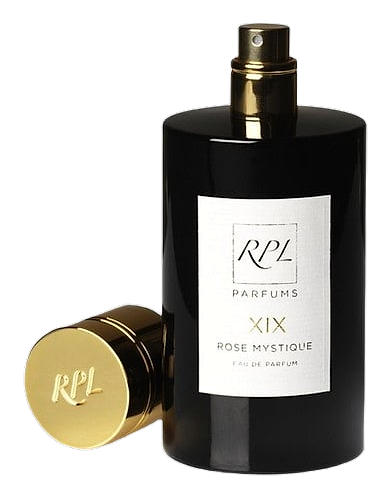
RPLRPL PARFUMS is a Copenhagen‑based perfume house that blends a traveler’s curiosity with a disciplined design ethic. Founded in 2012 by Rupert Peter Landendinger, the brand releases scents under a numbered system that hints at a chronological narrative rather than a seasonal calendar. Each fragrance carries a concise title – IX Ambre Ottoman (2017), I Jardin Byzantine (2019), XVIII Tubéreuse (2016) – and a modest concentration that invites daily wear. RPL’s catalogue balances amber, oud, vetiver and floral accords, offering a quiet alternative to louder market trends. The house positions itself as a laboratory for scent stories, inviting collectors to explore a line that feels both personal and historically anchored.
The Creator
Domitille Michalon-BertierDomitille favors natural ingredients and makes a point of exploring new raw materials to expand her palette continuously. Her signature reads as vibrant and dynamic, drawing comparisons to jazz's unexpected harmonies or the layered tension of noir fiction.