
The Story
Why it exists.
The beginning
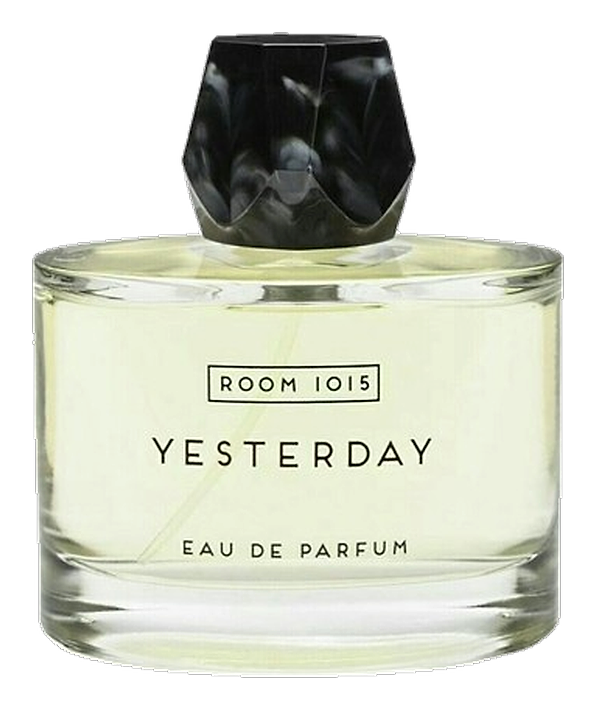
The inspiration for Yesterday reads like a press release footnote that became the whole point. A photograph of the Beatles in a hotel bathroom, shaving, having fun. The scent was built around the smell of that room, vetiver, lavender, perhaps sandalwood. A tribute to musicians who exist between youth and adulthood, walking the line between dream and reality. The name says it all: Yesterday's spirit, worn today. The fragrance opens with crisp lavender that carries a certain brightness, softened by the cool mineral quality of vetiver. There's a creaminess beneath from the sandalwood that keeps everything grounded, preventing the fresh notes from feeling too ephemeral.
The structure is a classic fougère, bright top, cool heart, warm base, but the execution earns its keep. Bergamot and cardamom arrive together, neither waiting for the other. The heart pivots on lavender, but davana and rhubarb keep it from feeling like a museum piece. There's tartness here, something almost medicinal that prevents the whole thing from sliding into comfort. The base settles into warmth without ever getting heavy.
The evolution
The opening announces itself with immediate clarity, bergamot and cardamom arriving together in a bright, slightly sharp burst. Basil and thyme add herbal depth while orange keeps the citrus alive. The transition happens around 30 minutes as the herbs settle and the lavender heart emerges, bringing that cool, classic fougère character. Davana and rhubarb add a green tartness underneath, keeping the heart from going fully smooth. By the third hour, the drydown takes over, vetiver and sandalwood create a woody foundation, amberwood and tonka bean add warmth, and white musk keeps everything close to the skin. The final phase lingers for hours, intimate and present, the kind of scent you catch on yourself the next day and think: yeah, that's right.
Cultural impact
Yesterday has found its audience among fragrance enthusiasts who appreciate a well-executed fougère in a modern context. The fresh-green-aromatic profile appeals to those seeking something distinctive without venturing into more challenging territory. The composition leans into classic fougère structure while remaining accessible, offering a bridge between traditional masculine fragrance conventions and contemporary taste. Its aromatic freshness captures attention without demanding it, making it an inviting option for those new to the genre while still rewarding the more seasoned nose with its careful balance of notes.
The House
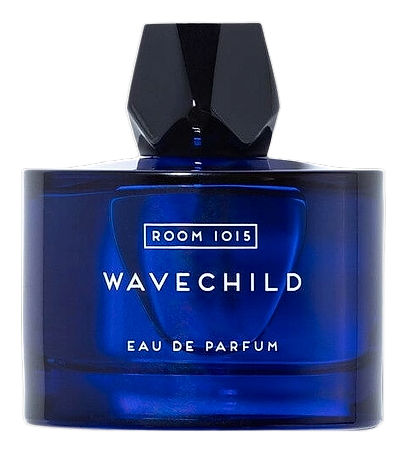
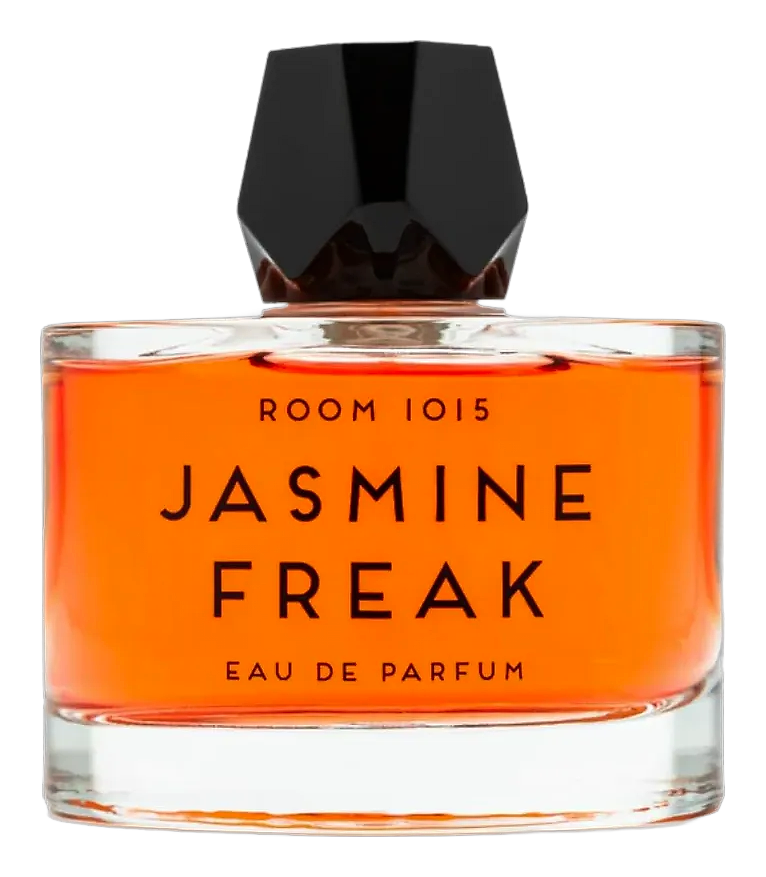
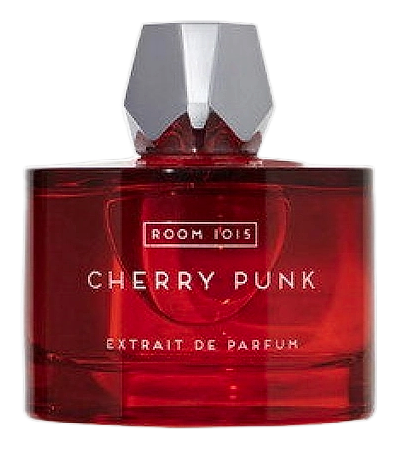
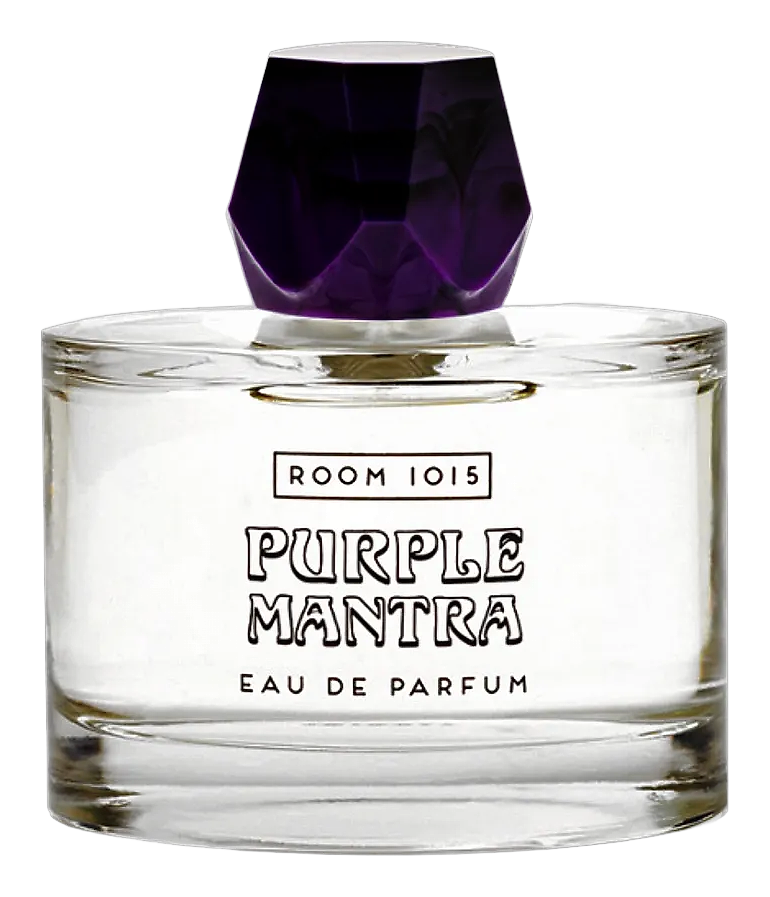
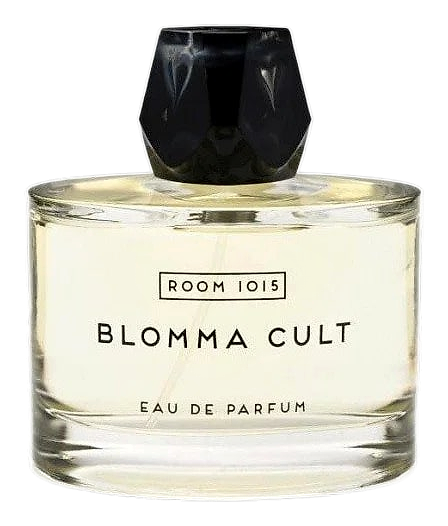
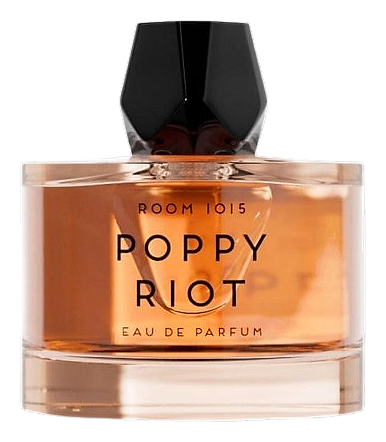
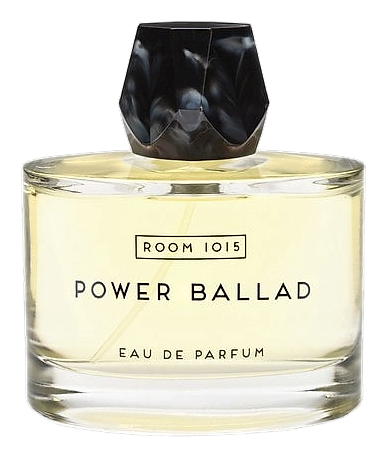
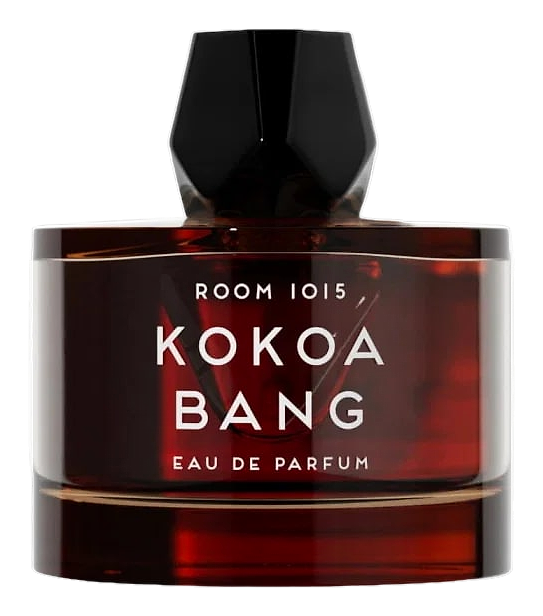
Room 1015ROOM 1015 is a French niche fragrance house founded in 2014 by Michael Partouche, known as Dr. Mike. The brand draws its name from room 1015 of the Continental Hyatt House Hotel in Los Angeles, famously called the Riot House, where rock legends including Jim Morrison, Robert Plant, and Keith Moon held court in the 1970s. Dr. Mike, who holds a PhD in pharmacology, left pharmacy to pursue music as a guitarist in London rock bands before channeling both passions into fragrance. Each ROOM 1015 scent is tied to a specific moment in rock history, punk culture, or counterculture philosophy. The brand collaborates with independent French perfumers including Amélie Bourgeois, Anne-Sophie Behaghel, Jérôme Epinette, and Serge de Oliveira. Notable fragrances include Cherry Punk (2020), Purple Mantra (2022), Sonic Flower (2023), and Wavechild (2024). The brand has expanded to roughly seventeen fragrances since 2015, with new releases arriving through 2026. ROOM 1015 describes itself as the punk fanzine of perfumery, rejecting convention in favor of scents that carry narrative weight and rebellious identity.
The Creator
Amélie BourgeoisBourgeois works within classical perfumery structures but pushes against the expected. She favors material combinations that surprise, finding harmony in contrasts others might avoid.