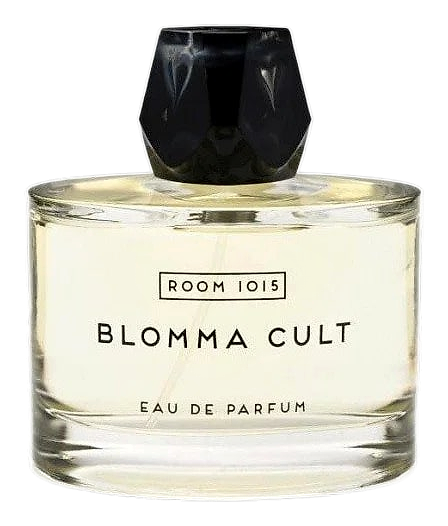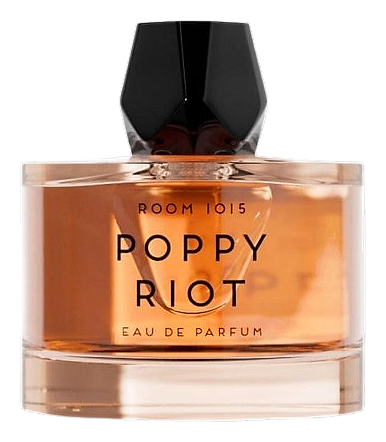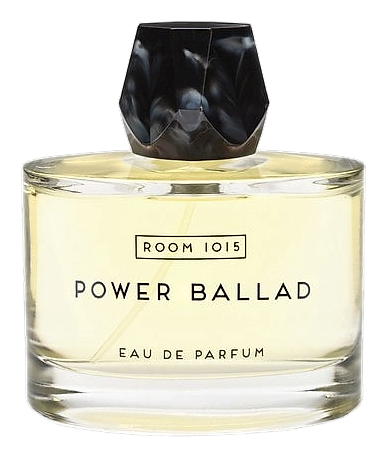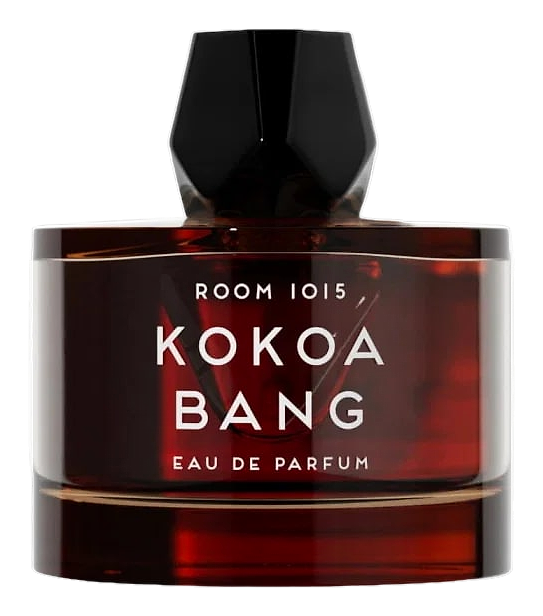

The Story
Why it exists.
The beginning
Room 1015 emerged from the mind of Michael Partouche, a French musician and creative director who understood that certain scents carry memories more vividly than photographs. The house name references room 101, the legendary hotel room where countless musicians found shelter and creative fuel across decades. Partouche wanted to bottle not just fragrance but the emotional charge of those spaces. When the opportunity arose to create a scent tied to music and memory, he turned to perfumer Amelie Bourgeois, whose expertise in narrative fragrance design made her the ideal collaborator. The goal was never to replicate an instrument or a studio but to capture the feeling of opening something precious that had been sealed away, waiting to be rediscovered.
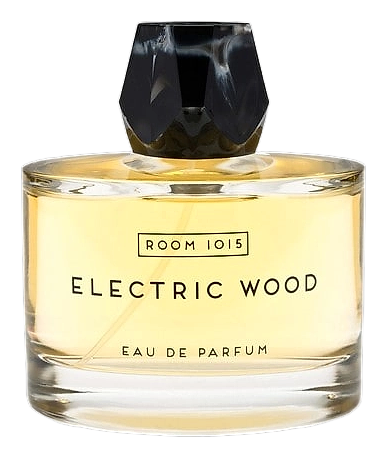
The note selection for Electric Wood reflects a philosophy of authenticity over abstraction. Lemon was chosen not for its typical citrus brightness but for the way it mirrors the initial excitement of encountering something long hidden. Nutmeg and Sage serve as bridges between the opening and the woody heart, their spice and herbaceousness complementing rather than competing with Cedarwood and Oak. The choice of Cedarwood and Oak as the heart represents the core identity of the fragrance, capturing the dense aromatic presence of vintage instrument wood.
The evolution
The evolution of Electric Wood begins with a sharp, clean burst of Lemon that immediately signals freshness and energy, a deliberate choice to evoke the moment of anticipation before an instrument is touched. Nutmeg arrives within seconds, introducing a warm spice that prevents the citrus from feeling too fleeting. Sage rounds out the opening, adding an aromatic herbal dimension that grounds the initial brightness in something earthier. As time passes, the heart of Cedarwood and Oak takes command, their woody presence growing richer and more resinous as the top notes fade. The transition marks a shift from anticipation to realization, from seeing the instrument to holding it. The drydown brings the composition into intimate territory with Ambroxan, Musk, and Iris, each contributing a different texture. Ambroxan adds a subtle mineral depth reminiscent of sea air, Musk creates a soft close-to-skin presence, and Iris lends a refined powdery finish that ensures the fragrance lingers without overwhelming.
Cultural impact
Electric Wood occupies a specific niche within the fragrance landscape: the player who wants to smell like their instrument without reaching for novelty. Community reviews praise its unique guitar-case and woodshaving character, noting the iris-resin drydown adds a sophisticated counterpoint to the sharper opening. The fragrance's practical longevity and moderate projection make it reliable for daily wear, while its synthetic-woody character keeps it from reading as traditional or old-fashioned. It's the kind of fragrance that attracts enthusiasts who've already tried the obvious woody options and ask for something with a story behind it.
The House
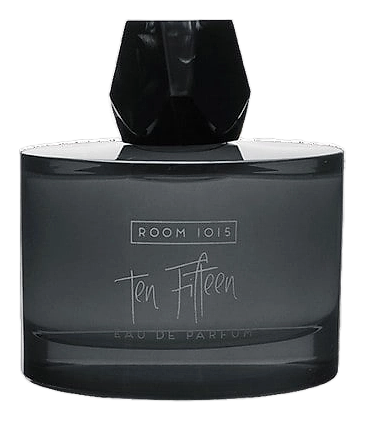
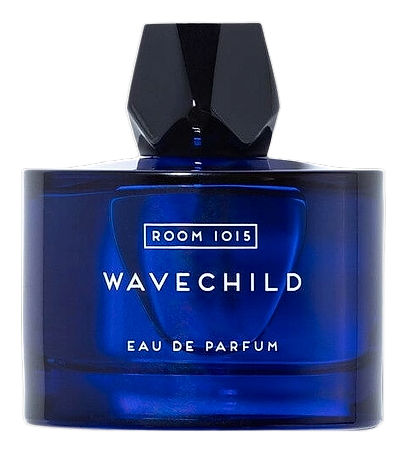
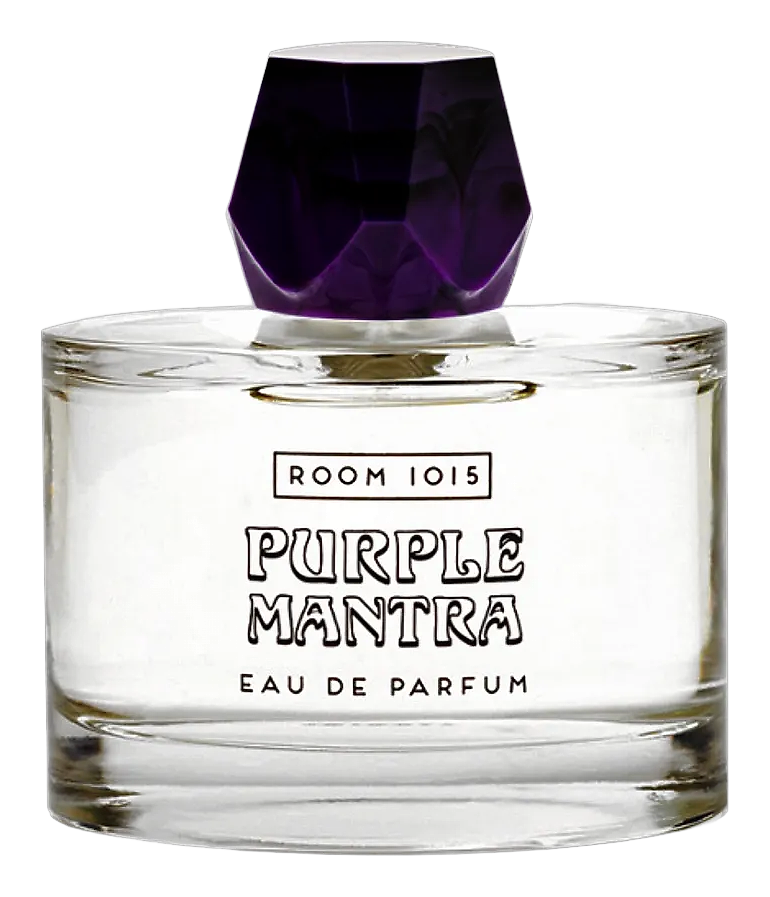
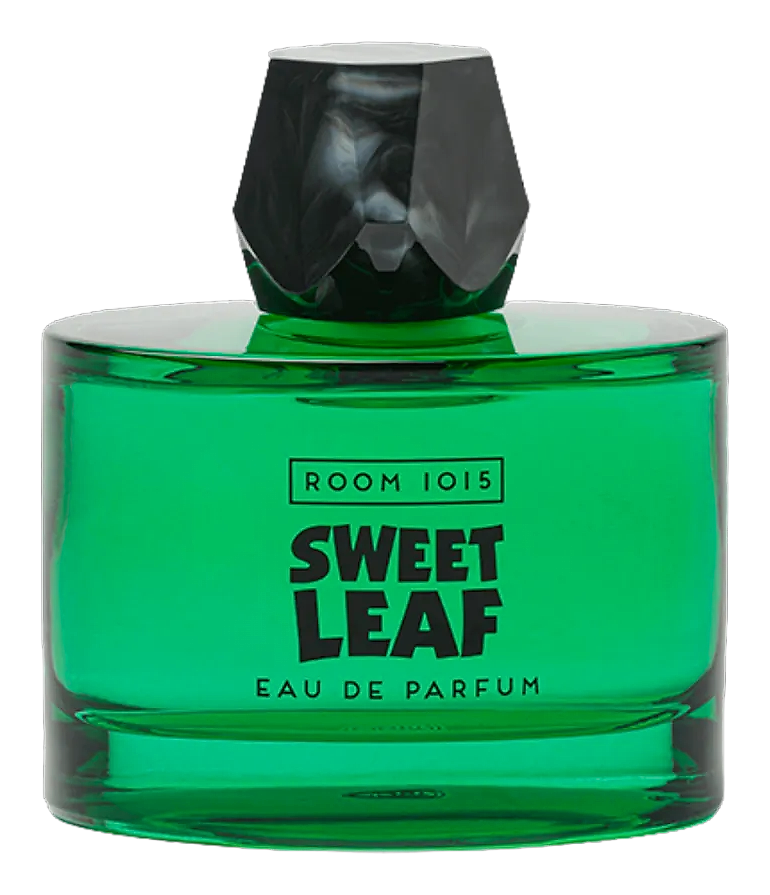
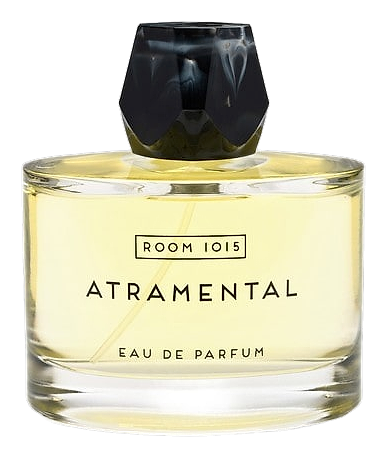
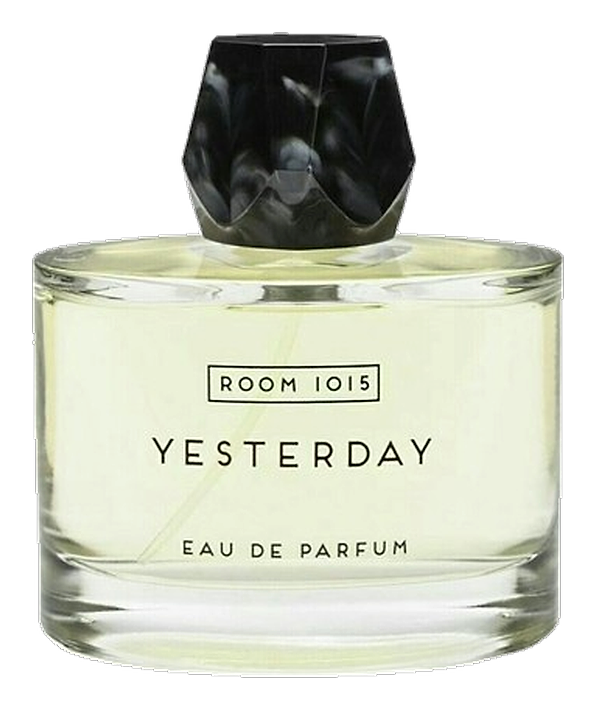
Room 1015ROOM 1015 is a French niche fragrance house founded in 2014 by Michael Partouche, known as Dr. Mike. The brand draws its name from room 1015 of the Continental Hyatt House Hotel in Los Angeles, famously called the Riot House, where rock legends including Jim Morrison, Robert Plant, and Keith Moon held court in the 1970s. Dr. Mike, who holds a PhD in pharmacology, left pharmacy to pursue music as a guitarist in London rock bands before channeling both passions into fragrance. Each ROOM 1015 scent is tied to a specific moment in rock history, punk culture, or counterculture philosophy. The brand collaborates with independent French perfumers including Amélie Bourgeois, Anne-Sophie Behaghel, Jérôme Epinette, and Serge de Oliveira. Notable fragrances include Cherry Punk (2020), Purple Mantra (2022), Sonic Flower (2023), and Wavechild (2024). The brand has expanded to roughly seventeen fragrances since 2015, with new releases arriving through 2026. ROOM 1015 describes itself as the punk fanzine of perfumery, rejecting convention in favor of scents that carry narrative weight and rebellious identity.
The Creator
Amélie BourgeoisBourgeois works within classical perfumery structures but pushes against the expected. She favors material combinations that surprise, finding harmony in contrasts others might avoid.