The Story
Why it exists.
The beginning
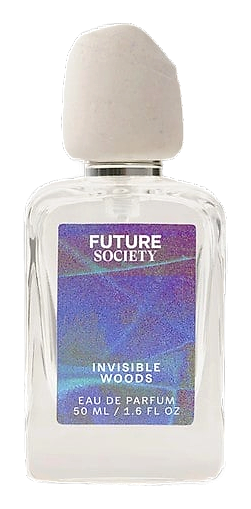
Invisible Woods was built around Wendlandia angustifolia, a flower that no longer exists in nature. Future Society obtained preserved specimens, extracted the DNA, and sequenced the genes responsible for volatile organic compounds. Bioinformaticians compared those sequences to modern relatives, predicting the scent molecules the plant likely produced. Synthetic biologists then programmed yeast cultures to biosynthesize those compounds. What the flower once smelled like became, for the first time, something you could wear. The perfumer's job was to translate that molecular data into a composition that felt inevitable rather than experimental.
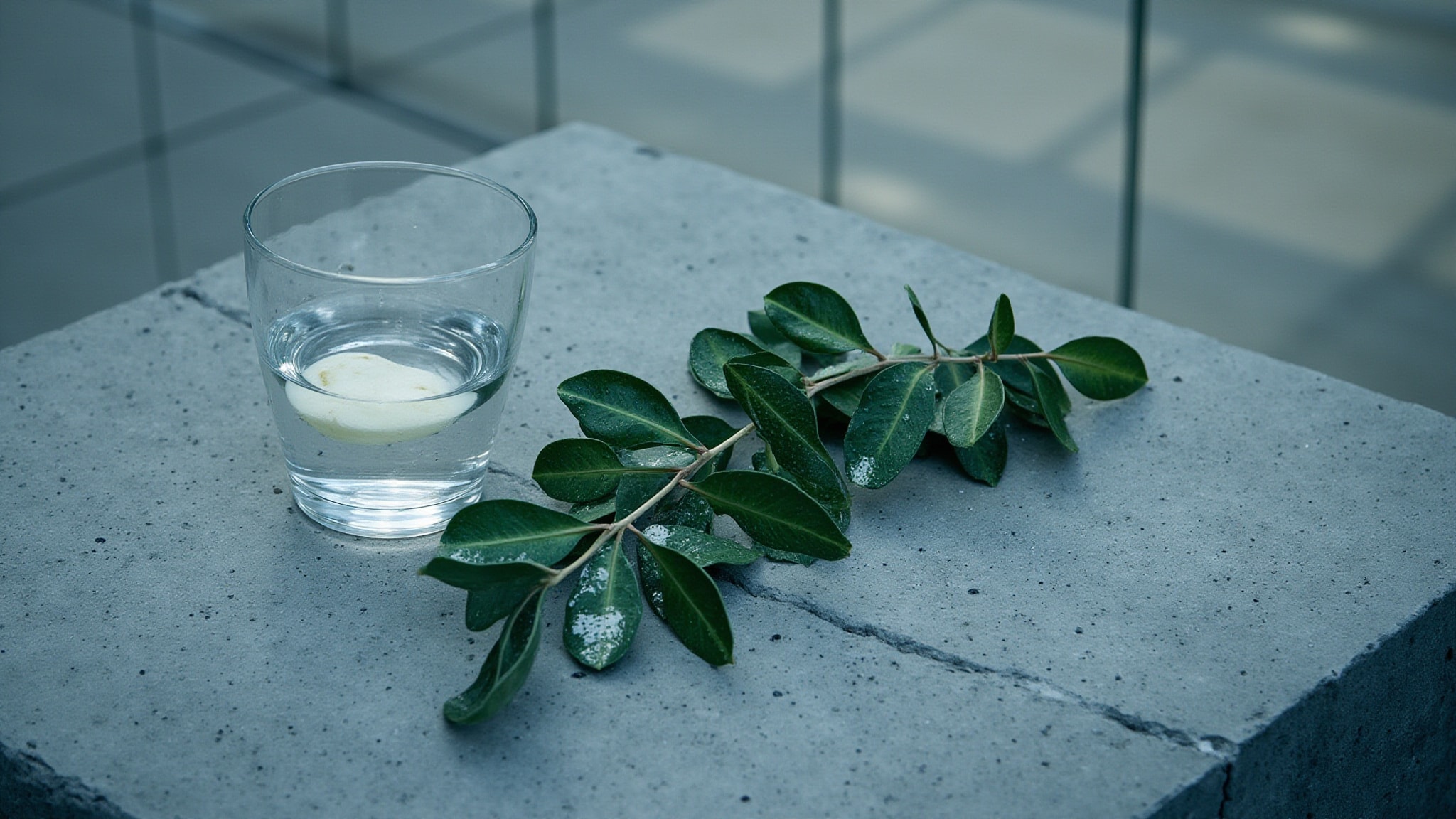
Eucalyptus, ginger, and grapefruit were not accidents. They were the answer to a question: what opens a fragrance built from something extinct without making it feel like a lab? The citrus and ginger provide warmth and accessibility. The chamomile and rose absolute ground the green sharpness in something familiar. Akigalawood, a proprietary synthetic wood, gives the base a depth that natural materials alone couldn't achieve. The result is a fragrance that wears like a memory of a place that never reached contemporary noses, familiar enough to trust, strange enough to remember.
The evolution
The opening hits fast and cold. Eucalyptus and grapefruit arrive together, sharp and green, with ginger warming the edges. This phase lasts about 20 minutes before the citrus fades and chamomile steps forward, softening the green bite into something herbal and calm. The rose absolute appears quietly in the heart, not dominant but present, lending a quiet floral warmth. By the second hour, the base takes over. Akigalawood and iris settle close to skin, adding a powdery woody depth that lingers without projecting loudly. On most skin types, the full arc runs four to six hours. The drydown is intimate, the kind that someone standing very close will notice, not the kind that announces itself across a room.
Cultural impact
Invisible Woods occupies a specific position in the niche fragrance landscape: it is one of the few compositions built from molecules that have no modern natural source. Wearers tend to be drawn to the intellectual framing as much as the scent itself, the idea that what they're wearing was once lost and is now, in some form, reclaimed. The eucalyptus-heavy opening is a known polarizing element. Some find it medicinal and off-putting; others find it the most distinctive part of the composition. The moderate sillage and four-to-six hour longevity mean it wears best in close quarters rather than large spaces.