
The Story
Why it exists.
The beginning
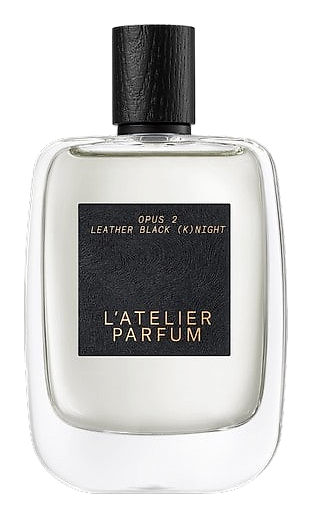
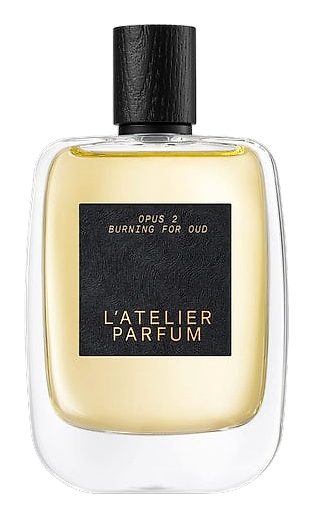
Alexis Dadier built Burning For Oud around a single conviction: the oud should be woody and leathery with a hint of animal warmth. A peaty vintage, he says, like the great Scotch whiskies. To lift that oud into something worth wearing, he reached for amber and spice. Ginger. Pink pepper. Saffron. The 2022 release belongs to the Opus 2 collection, where sensory intensity takes priority over restraint. There's an honesty to the composition that refuses to soften what oud naturally is. The result feels direct and uncompromising, the kind of fragrance that knows exactly what it wants to be.
What makes this work is the comparison to peaty Scotch. Both oud and peated whisky share that smoky depth, that slightly medicinal edge, the way they coat rather than float. The rum amplifies that parallel, adding a boozy warmth that feels like the first sip in a dim bar. The frankincense and papyrus bring smoke without ashtray harshness. This isn't an oud that hides behind sweetness or softness. It's the full expression, leather, smoke, warmth, and all.
The evolution
The ginger opens sharp. Almost aggressive. Pink pepper flickers alongside it, bright and slightly floral against the spice. Within minutes, the amber arrives and softens the edges without losing the heat. The heart belongs to oud and cedar, woody and resinous, with saffron threading warmth through the patchouli. This is where the Scotch comparison clicks. The drydown is smoke and incense settling into something skin-close. Frankincense, papyrus, the ghost of rum. The ambroxan keeps it smooth. What begins as a punchy, spice-forward opening gradually unfolds into something richer and more contemplative. The cedar and oud emerge as partners rather than competitors, each note supporting the other as the fragrance moves through its stages. By the time the amber and spice have fully resolved, the base notes have established themselves as the true character of the scent.
Cultural impact
Burning For Oud appeals to wearers drawn to unadorned oud, the kind that arrives without apology or excess. The peaty, boozy quality puts it in conversation with fragrances that reference whisky or tobacco, though this one carves its own territory through the saffron and the frankincense drydown. Those who gravitate toward this scent tend to appreciate oud in its more elemental forms, finding value in compositions that let the material speak plainly rather than wrapping it in layers of sweetness. The result occupies a specific space in the oud landscape, distinct from both the gentrified versions and the raw, uncompromising extremes.