
The Story
Why it exists.
The beginning
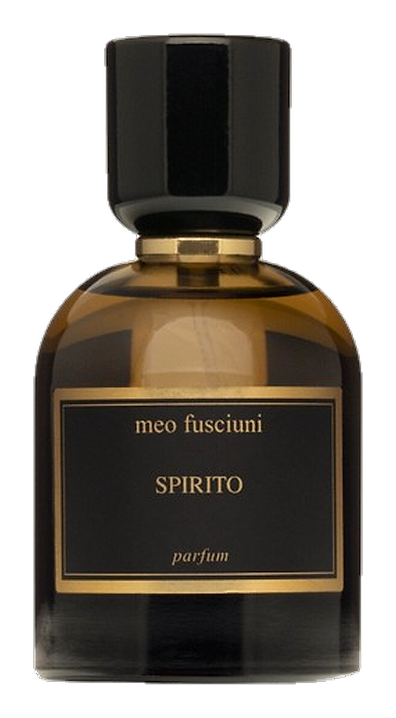
Spirito draws its poetry from Emily Dickinson, not her verses, but her pauses. The American poet once wrote that she had the nerve to go alone, to look at a bee or a hummingbird, while the rest of the world withheld. Spirito captures that withheld breath. That nervous haste to speak, then not. The fragrance is the moment before, the long exhale of a person who chooses presence over performance. It asks not to announce itself. It asks to be walked into.
The combination of herbal and paper is unusual. Chamomile and angelica in the opening feel almost medicinal, the smell of a hillside in the early morning before the sun fully arrives. Then the heart introduces paper, cypress, and myrtle: an almost library-like stillness. Hyssop adds a green, slightly camphorated edge that keeps the whole thing from becoming precious. The base is where warmth accumulates, vetiver and cedar grounding everything, while tonka bean absolute introduces a soft, powdery sweetness that lingers close to the skin.
The evolution
The opening is bright and dewy. Angelica and chamomile arrive together, herbal, slightly bitter, with the earthiness of carrot seed underneath. You have perhaps ten minutes of this before the scent begins to change. The heart is where Spirito reveals its character. Cypress arrives with a dry, Mediterranean quality while paper, yes, paper, introduces itself quietly, like the smell of an old book in a quiet room. Myrtle and hyssop keep things green and slightly camphorated. The drydown takes its time. Vetiver and cedar arrive first, earthy and warm, then the guaiac wood and elemi resin add a smoky, resinous depth. Musk appears last, intimate and close. By the end, eight to ten hours on most skin, Spirito has become something that smells like a person who has been walking for hours and does not need to tell you.
Cultural impact
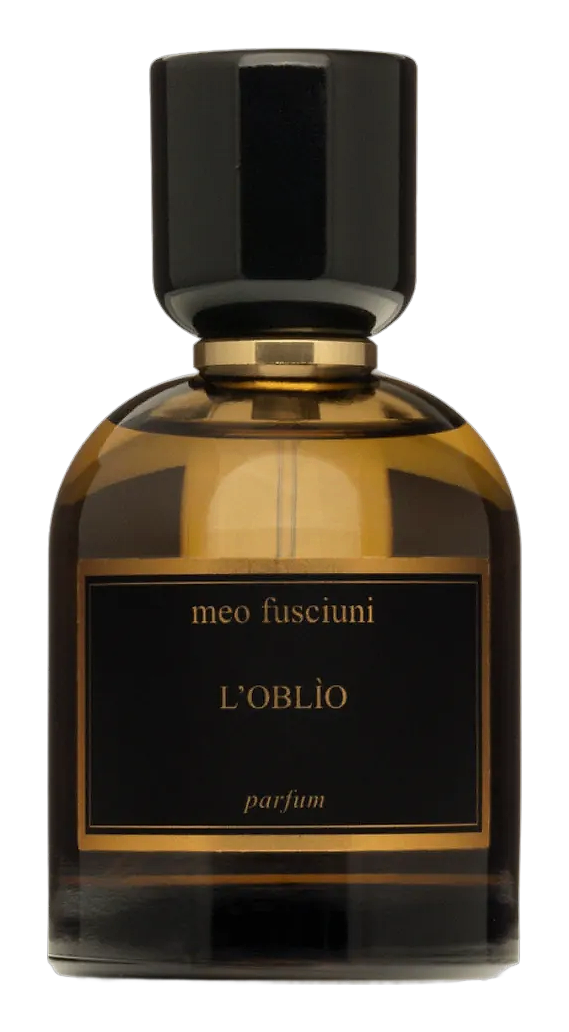
Spirito has found its people, wearers who want fragrance without performance, scent as presence rather than announcement. One of the house's most meditative works from Giuseppe Imprezzabile, who has been composing since 2010. The independent Italian perfume movement gained momentum in the 2010s, and Imprezzabile positioned Meo Fusciuni as an anti-brand, creating scents that feel like private correspondence rather than commercial products. Spirito embodies this philosophy, designed for the wearer who considers fragrance a form of autobiography.