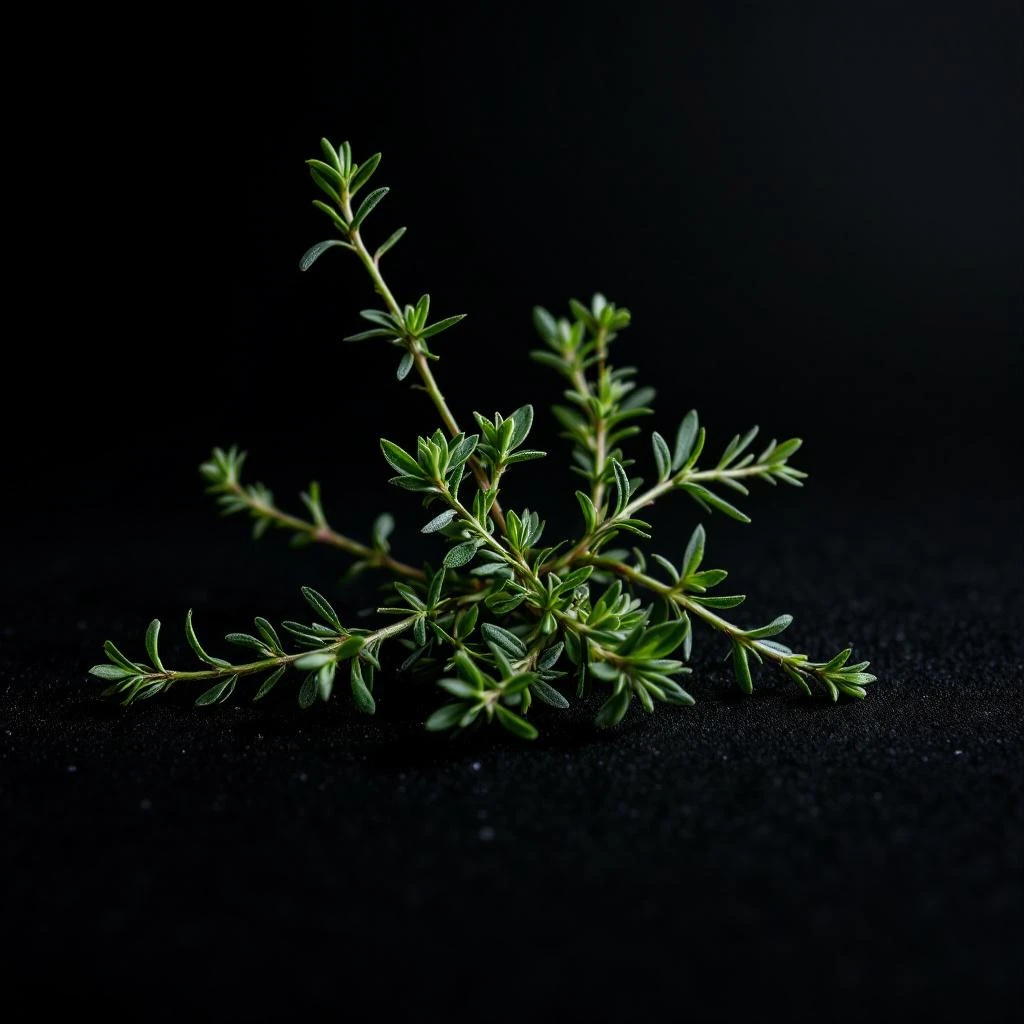
Hyssop
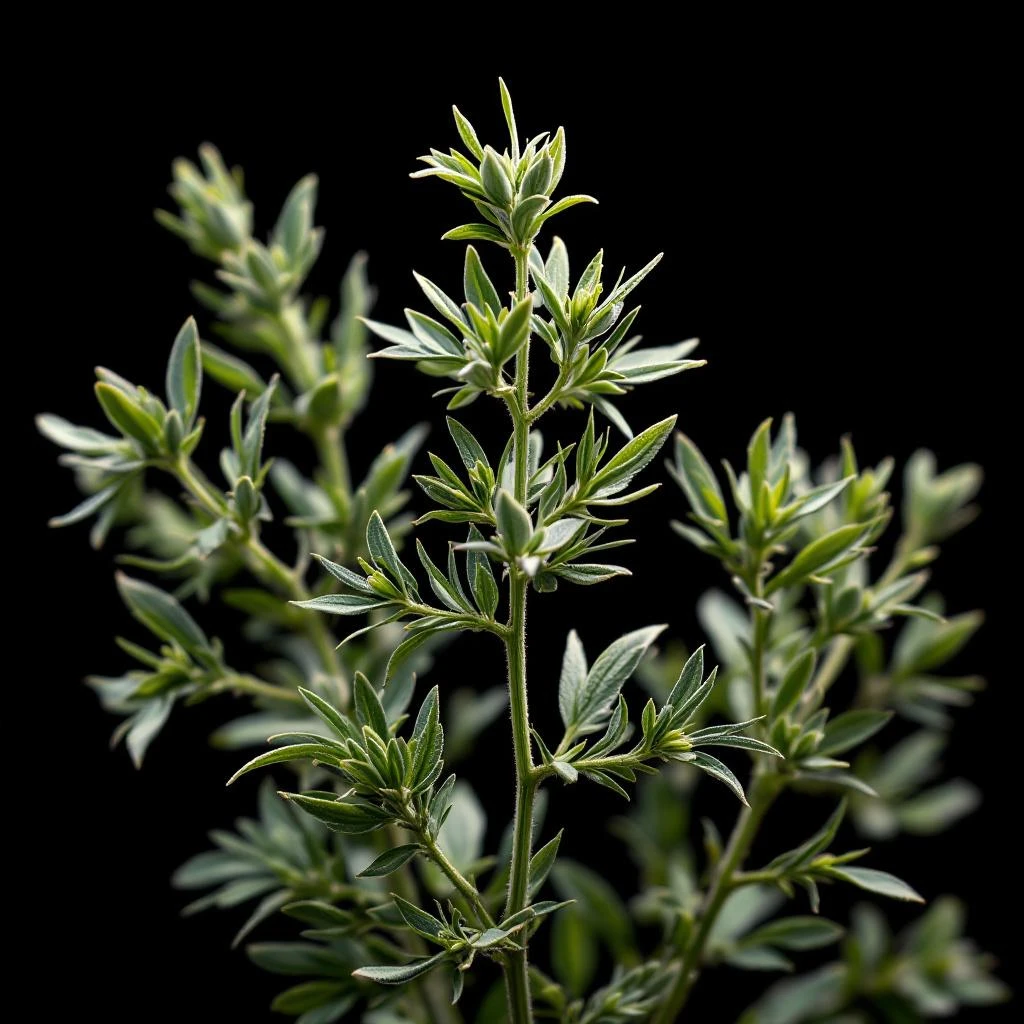
Hyssop is a Mediterranean herb with small violet-blue flowers and a sharply aromatic profile. Its essential oil bridges fresh herbal and warm camphoraceous notes, adding unexpected depth to modern fragrances.
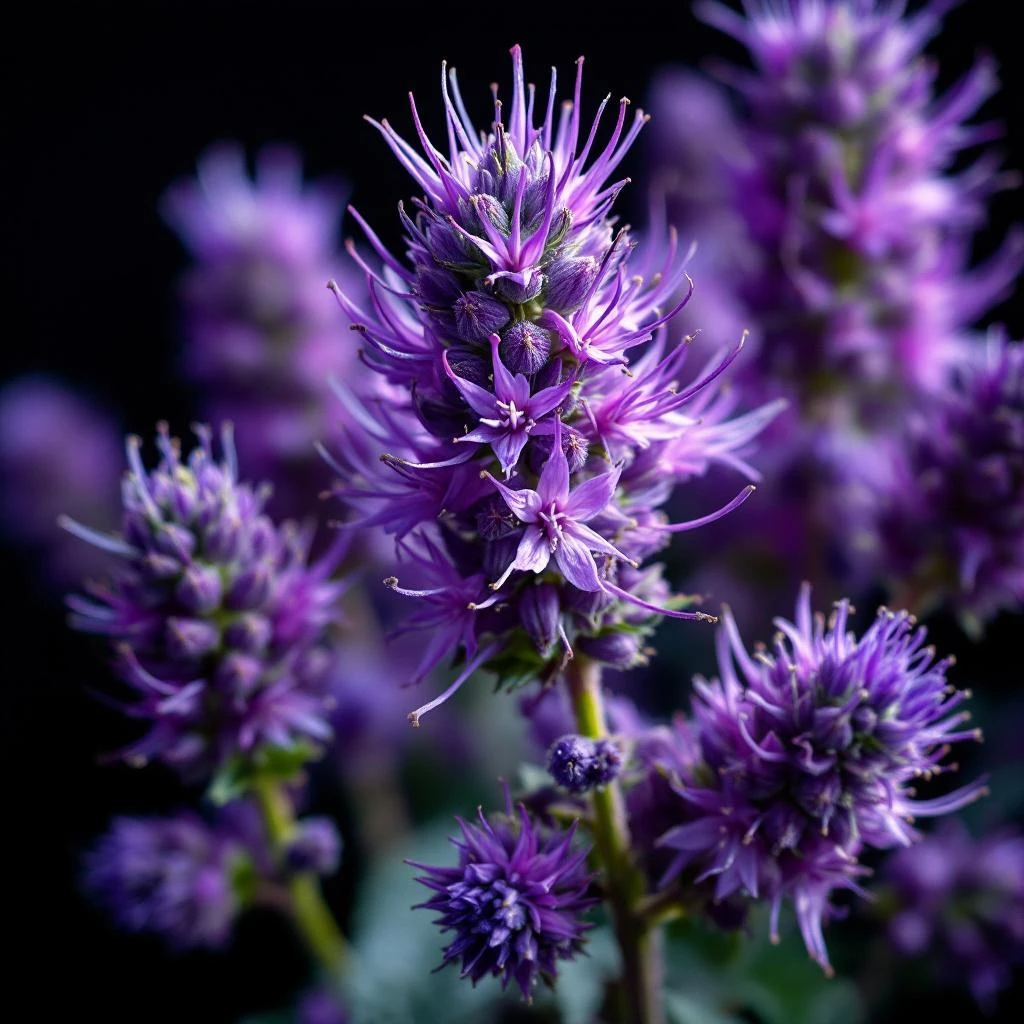
Character
How it smells
Sharp herbaceous with sweet, lemony warmth
Ancient texts record hyssop as a purifying herb used in cleansing rituals for over three thousand years.







Origin
Mediterranean Basin
Hyssop carries one of the oldest documented names in aromatic plant history. The Greek hyssopos likely traces to the Hebrew ezov, appearing repeatedly in biblical texts as a ceremonial herb used in purification rites. This ancient spiritual association shaped how Mediterranean and Middle Eastern cultures perceived aromatic plants for centuries.
Greek physicians, including Hippocrates, documented hyssop in their pharmaceutical treatises, recommending it for respiratory and digestive complaints. Roman naturalists continued this medicinal tradition, integrating the herb into their apothecary repertoire. The plant maintained this dual role—spiritual and practical—through the medieval period.
Monastic gardens across Europe prominently featured hyssop alongside lavender and sage, preserving botanical knowledge through the early modern era. By the eighteenth century, European perfumers began systematically exploring herbal essential oils, and hyssop found its place in early aromatic compositions.
Today, hyssop remains a niche but treasured material in fine perfumery. Its ability to add fresh, slightly camphorated complexity without overpowering lighter notes makes it valuable in fougère structures, aromatic chypres, and refined herbal colognes. The ingredient retains a quiet prestige—valued by perfumers who seek Mediterranean authenticity over synthetic approximation.
Wears it best
Fragrances featuring Hyssop
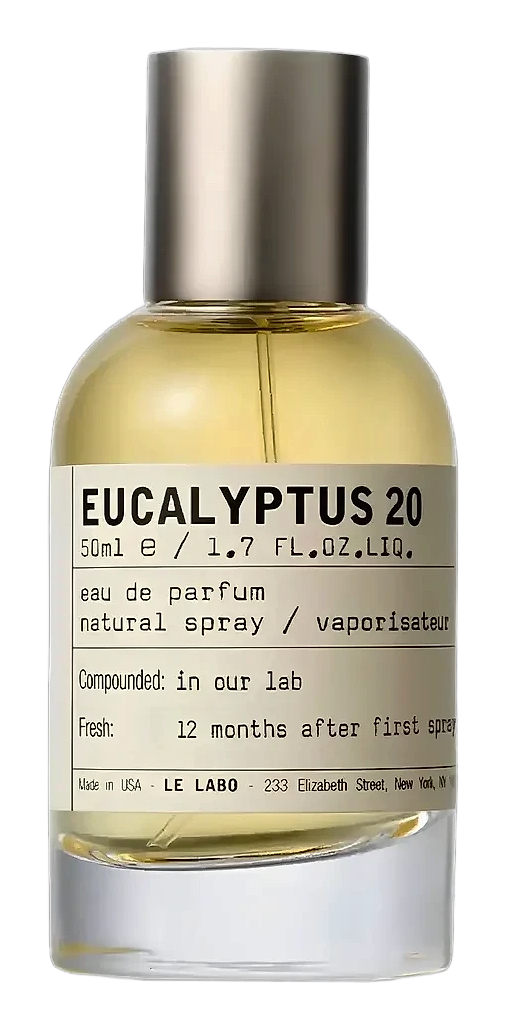
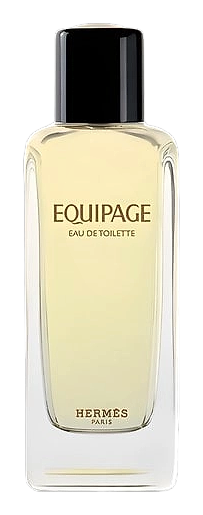
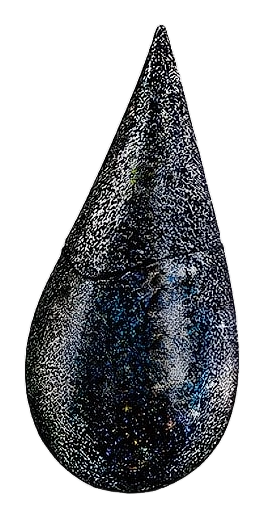
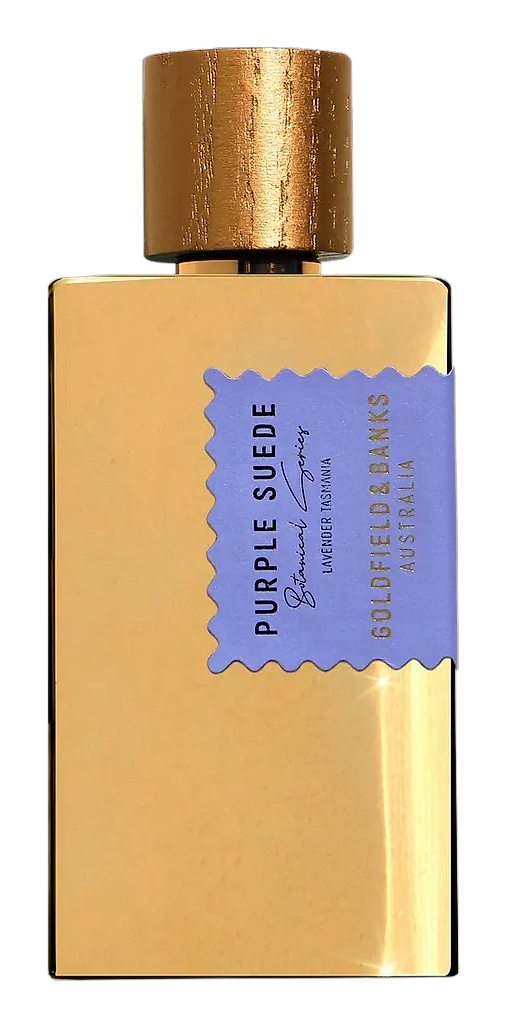
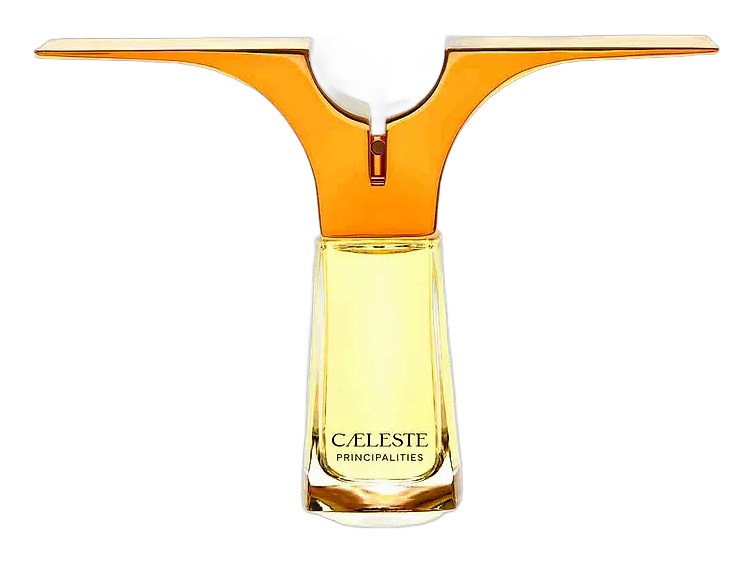
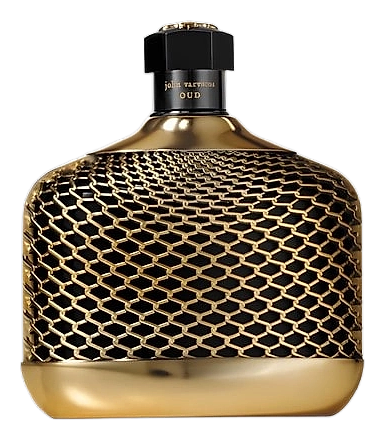
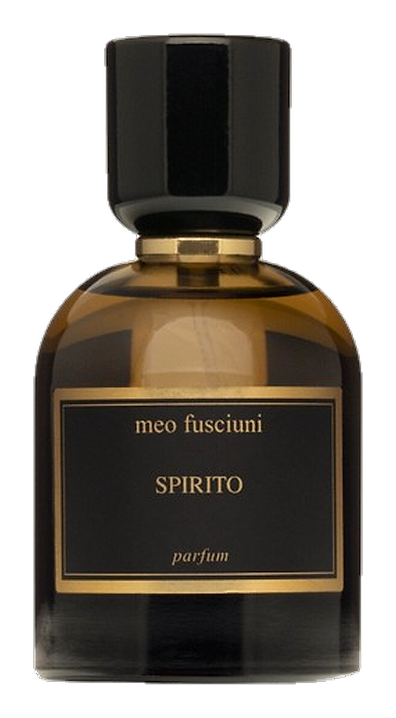
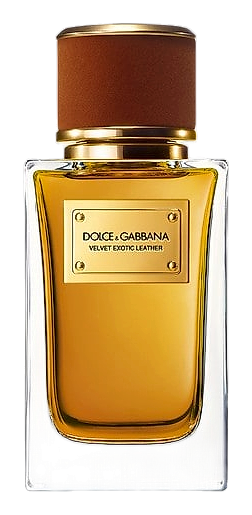
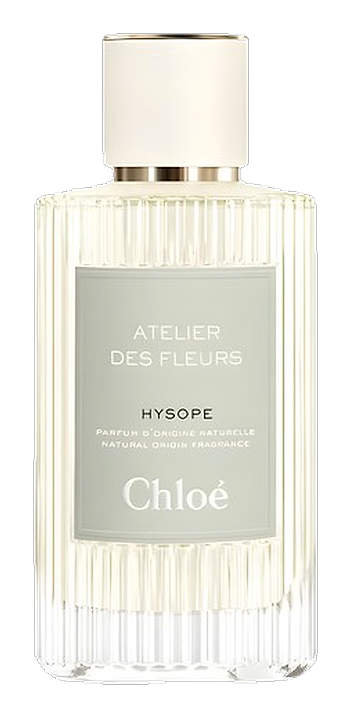
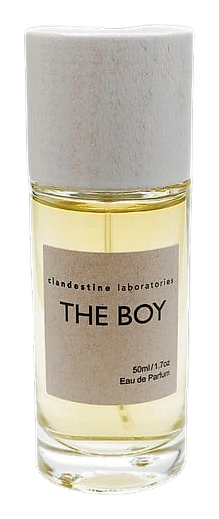
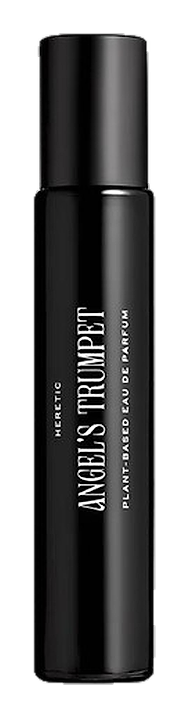
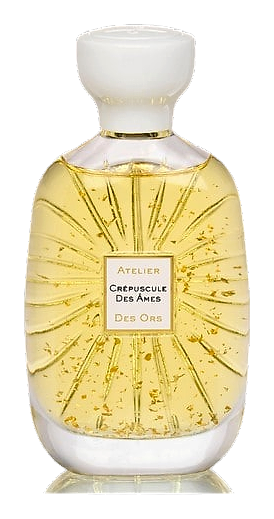
Brands
Brands known for Hyssop
Good to know
Questions, answered
The essentials on Hyssop in perfumery: how it smells, where it comes from, and how it behaves on skin.
How is hyssop oil extracted for perfumery?
Steam distillation of the flowering tops is the standard method. The plants are harvested when flowering begins to capture peak aromatic compounds. Supercritical CO2 extraction offers an alternative that captures a broader chemical profile.
What does hyssop smell like?
Hyssop delivers a sharp herbaceous character with sweet, lemony undertones and a subtle camphorated warmth. It is fresher than rosemary but more refined than sage, with a slightly bitter finish that adds complexity.
Is hyssop safe to use in skin contact fragrances?
Hyssop essential oil contains pinocamphone, a compound that can be neurotoxic at high concentrations. Perfumery-grade material is carefully diluted, and IFRA guidelines restrict its use in consumer products to safe concentration levels.
Where does hyssop grow best?
Hyssop thrives in dry, rocky limestone soils across the Mediterranean Basin. Major production regions include France, the Balkans, and Iran, where the plant benefits from the sunny, well-drained conditions it evolved to tolerate.
How long has hyssop been used in perfumery?
While medicinal and ritual use dates back over three thousand years, documented perfumery applications began in the eighteenth century when European distillers systematically explored herbal essential oils for fragrance.
What fragrance families use hyssop?
Fougère and aromatic compositions most commonly feature hyssop. It appears in refined chypres, herbal colognes, and sometimes in masculine orientals where its camphorated warmth balances sweeter base notes.
Can hyssop be synthesized?
Some individual aroma chemicals found in hyssop, such as pinocamphone, can be produced synthetically. However, the complete aromatic profile of natural hyssop remains difficult to replicate, keeping the natural oil in demand.
What harvest factor most affects hyssop oil quality?
Timing the harvest at the start of flowering is the most critical factor. Harvesting too early or too late shifts the volatile compound balance, directly reducing the characteristic lemon-sweet freshness that perfumers value.