
The Story
Why it exists.
The beginning
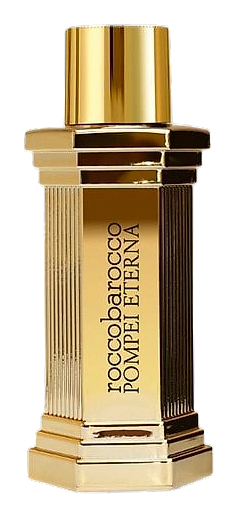
Pompei Eterna draws its name from the ancient city buried beneath volcanic ash and silence, a place where classical Italian grandeur rests under southern sun. Released in 2025, Roccobarocco's composition draws on the ancient city of Pompeii and its connection to Southern Italy. The work was composed by Lorenzo Orlandi Berti, whose creative direction kept the concept tethered to that geographical and historical anchor. The composition itself reads as a study in contrasts: brightness that lingers rather than vanishes, warmth that holds steady through every phase of the wear. There's a quiet gravity to it, something that feels less like a historical homage and more like an afternoon held in amber.
The Calabrian bergamot carries unusual weight here. Pairing it with frankincense and labdanum in the heart pulls the scent firmly into resin territory before patchouli and cedarwood anchor it. The bergamot doesn't vanish after the opening; it surfaces again in the drydown as a quieter flicker, more suggestion than statement. That reappearance gives the composition a particular shape, rounded and continuous rather than the usual top-heart-base architecture where the citrus departs and never returns.
The evolution
The first 20 minutes belong to bergamot, bright and nearly sharp, with lemon leaf adding a green edge that reads almost like crushed stem rather than fruit. Around the 30-minute mark the frankincense arrives, smoky and resinous, warming the composition without choking it. Geranium threads through as a herbal counterpoint, keeping things from going too heavy. After 2-3 hours the labdanum and patchouli settle in fully, the musk softens the base, and cedarwood adds a dry woodiness that keeps the whole thing lifted. By the 5-hour mark it sits close to skin, warm and slightly powdery, with that distant citrus memory still detectable. On fabric the next morning: amber warmth, a trace of smoke, faint enough to make you lean back in.
Cultural impact
Pompei Eterna by Roccobarocco reflects Italy's deep relationship with citrus and resin notes, ingredients that have defined Mediterranean scent-making for generations. The Calabrian bergamot and lemon leaf pairing draws directly from southern Italy's citrus groves, where bergamot is cultivated and processed for perfumery. By naming the composition after Pompeii, the house connects the fragrance to one of the Mediterranean's most mythologized archaeological sites, a place that still captures the popular imagination centuries after its burial.
The House
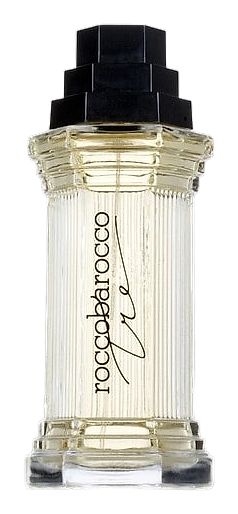
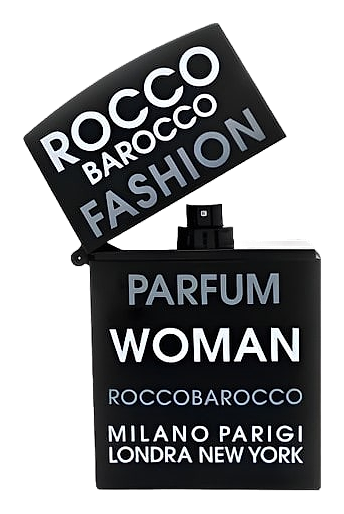
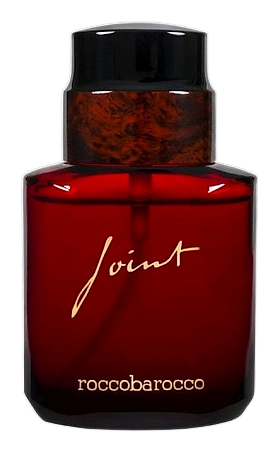
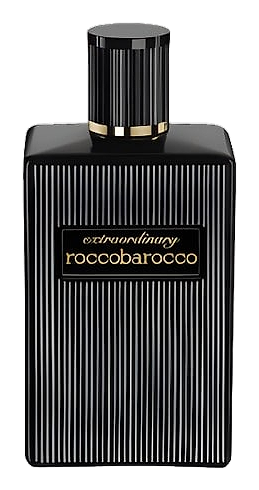
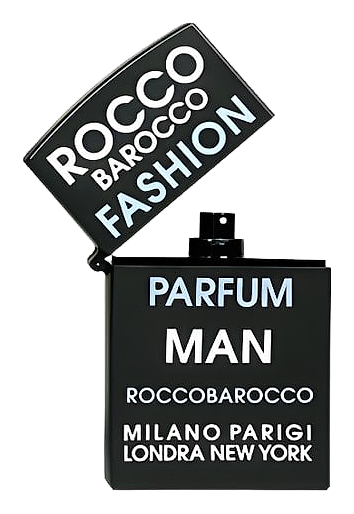
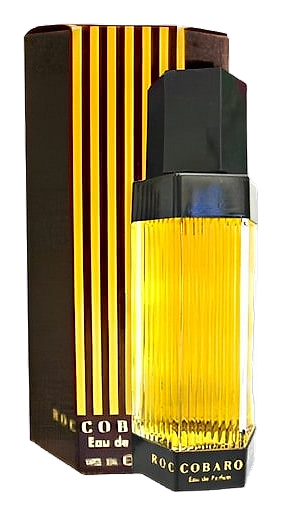
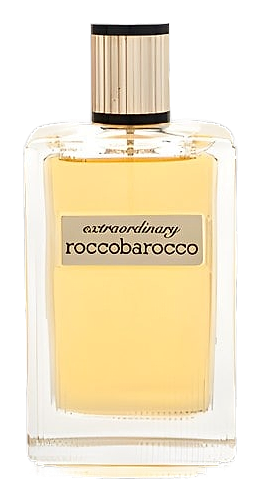
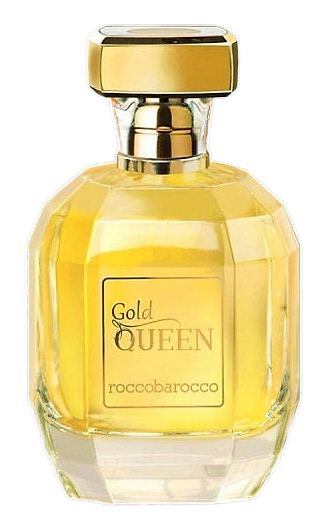
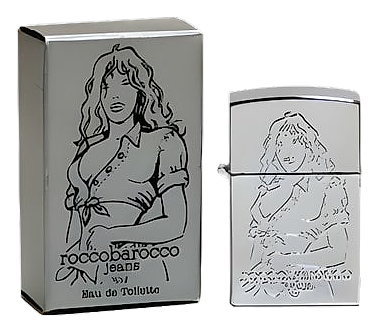
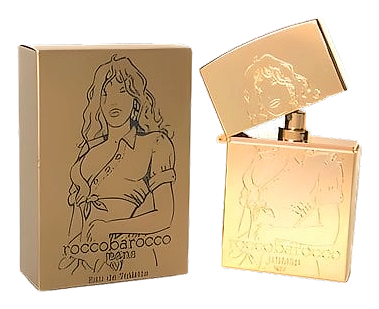
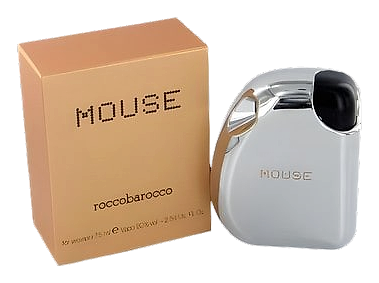
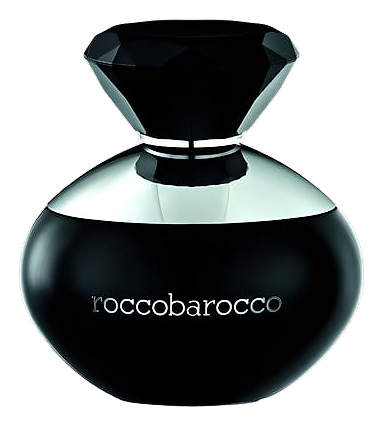
RoccobaroccoRoccobarocco is an Italian fashion and fragrance house that grew out of the eponymous designer’s runway success in the mid‑1970s. The label translates the designer’s bold aesthetic into a line of perfumes that balance classic Italian ingredients with contemporary flair. Over the past three decades the brand has released more than a dozen scents, ranging from the woody Vetiver (1993) to the recent Platinum Dream (2023). Each bottle carries the same confident silhouette that the clothing collections are known for, making the fragrance portfolio a natural extension of the house’s style language.
The Creator
Lorenzo Orlandi BertiHis style favors clarity and precision, with a marked preference for Mediterranean botanicals and the richness they offer when treated with care. Lorenzo works comfortably across natural and synthetic domains, selecting each element for what it contributes rather than what it…