
The Story
Why it exists.
The beginning
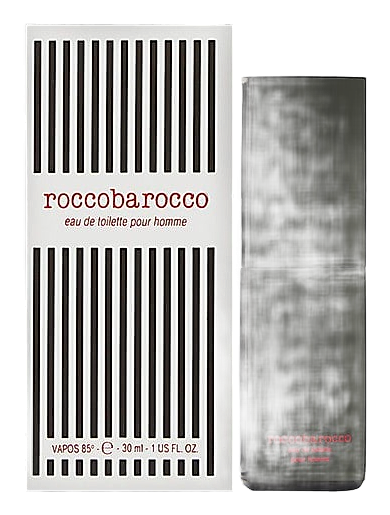
The late 1980s were an era of excess in Italian fashion, bold shoulders, louder ties, fragrances that announced themselves before you walked in. When Roccobarocco turned to fragrance, the result captured that same spirit of confidence. The composition opens with herbaceous clarity, a clean brightness that cuts through without apology. Neroli and green notes arrive together, creating an almost medicinal sharpness that feels intentional and precise. Below that, the florals begin their slow emergence, jasmine and orange blossom working in quiet tandem. This is a fragrance that presents itself without hesitation, its character unfolding in clear, deliberate stages from the first spray to the final drydown.
The pyramid tells you what's inside, but not why it matters. Herbaceous notes and neroli open the door, orderly and precise in their presentation. Then the heart arrives: artemisia anchoring jasmine and orange blossom, a floral combination that gives the composition its distinctive character. The base is where the fragrance makes its real statement. Civet and Tyrolean oakmoss provide depth and presence, materials that lend the composition its grounding quality. Patchouli and sandalwood support these elements, creating a foundation that feels warm and animalic without becoming overwhelming.
The evolution
The opening is immediate: herbaceous and bright, neroli arriving with a clean sharpness that feels medicinal without becoming harsh. The effect is crisp and refreshing, that cold-fresh sensation that opens the composition sharply. Within minutes, the florals begin their slow arrival. Jasmine appears, its presence becoming more noticeable as the initial herbs settle. Orange blossom follows, adding warmth that pushes the composition toward softer territory without ever fully arriving. This is where the artemisia earns its place, keeping the florals grounded, preventing them from floating away into abstraction. The heart phase develops gradually, the fragrance feeling like it is building toward something, gathering momentum rather than releasing it all at once. The jasmine becomes more pronounced over time, the orange blossom deepens, and the composition evolves into its base stage.
Cultural impact
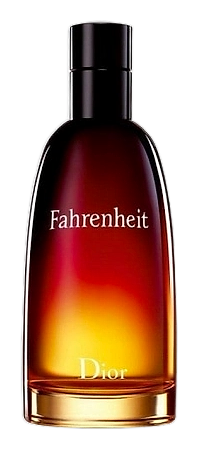
Roccobarocco pour Homme occupies distinctive territory in the landscape of masculine fragrances from its era. Less focused on oud or heavy leather notes, it instead explores the clean-dirty contrast that chypre compositions handle well. The civet-forward drydown places it among the animalic masculines of its generation, though the herbaceous-floral heart keeps the opening approachable. Wearers describe it as a scent that announces presence without shouting. The fragrance has drawn comparisons to Kouros and Fahrenheit in terms of character, though the herbaceous-floral heart sets it apart from those references.