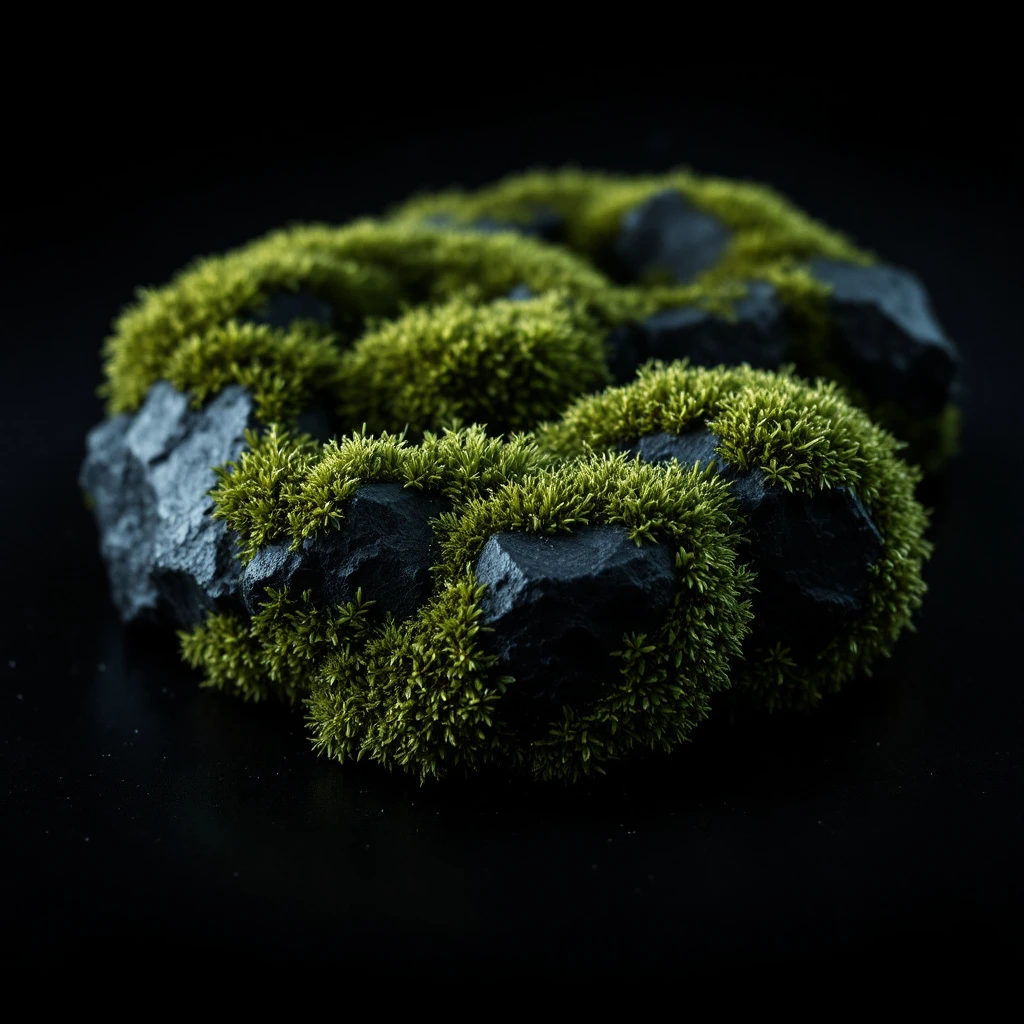
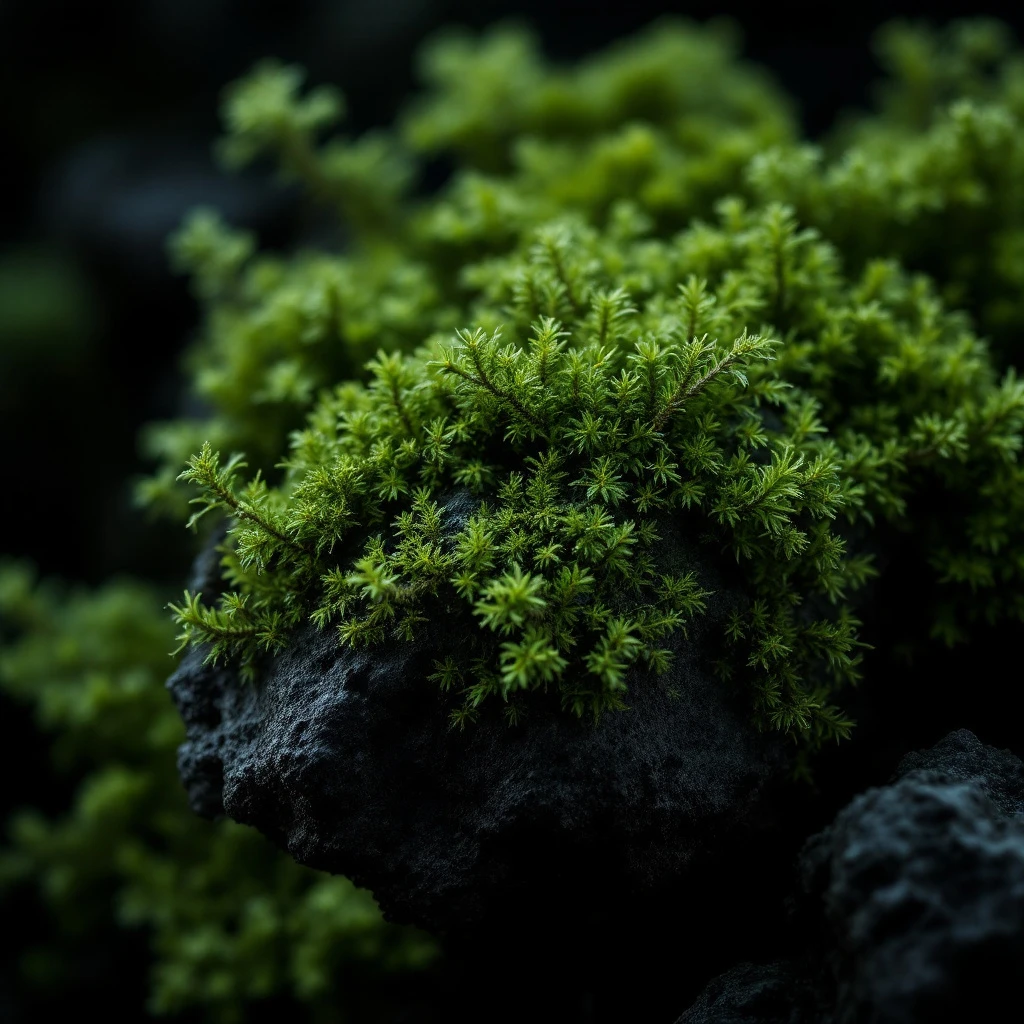
Tyrolean Oakmoss
A cornerstone of chypre and fougère accords since the late 1800s, Tyrolean Oakmoss delivers a rich, forest-floor character that grounds fragrances with woodland depth and subtle, resinous warmth.
Character
How it smells
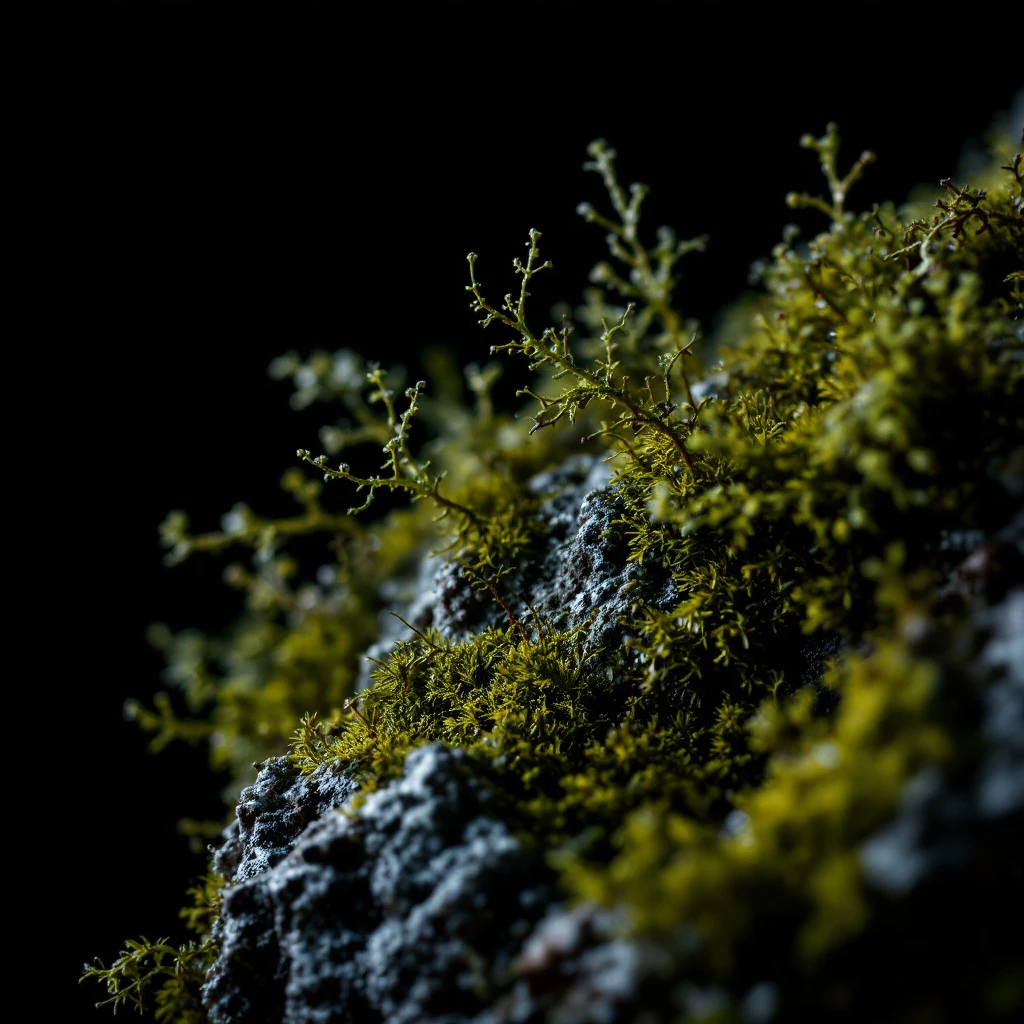
The ancient scent of alpine forest floors.
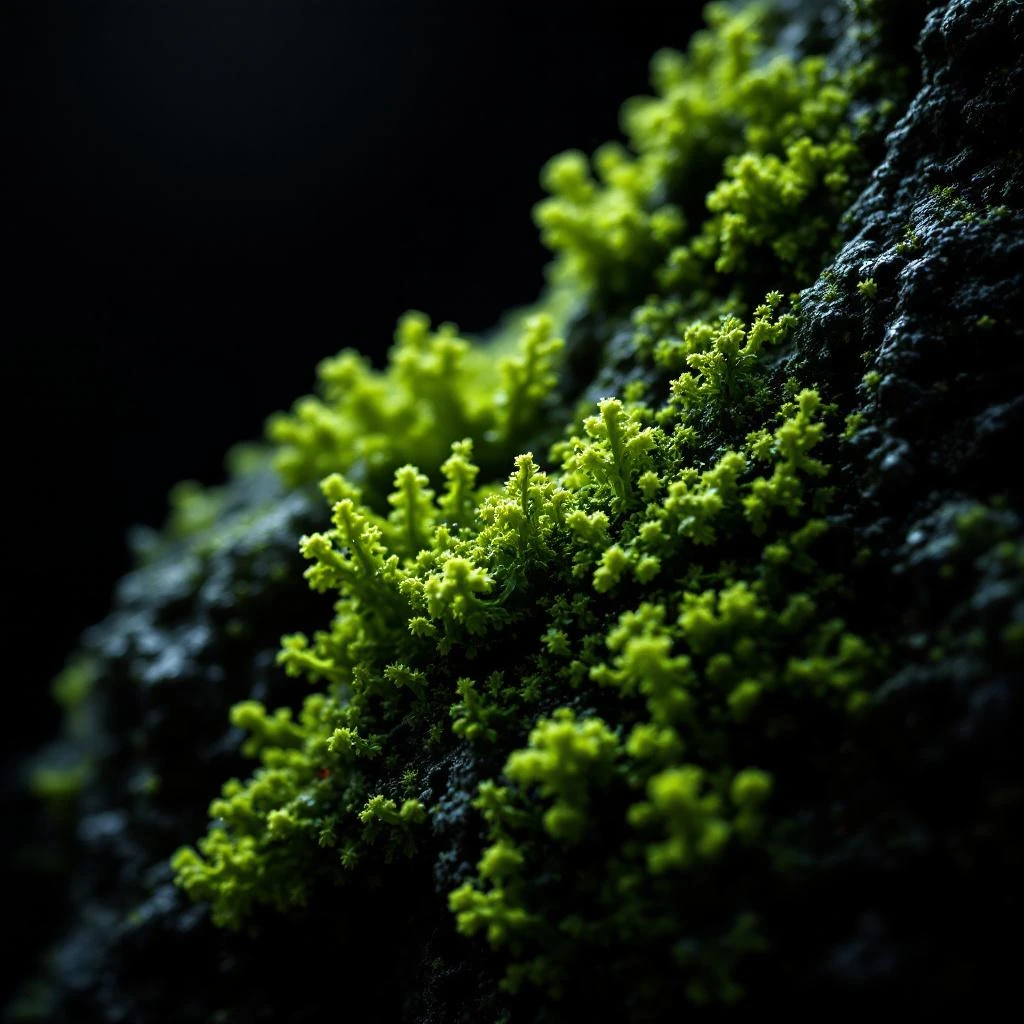
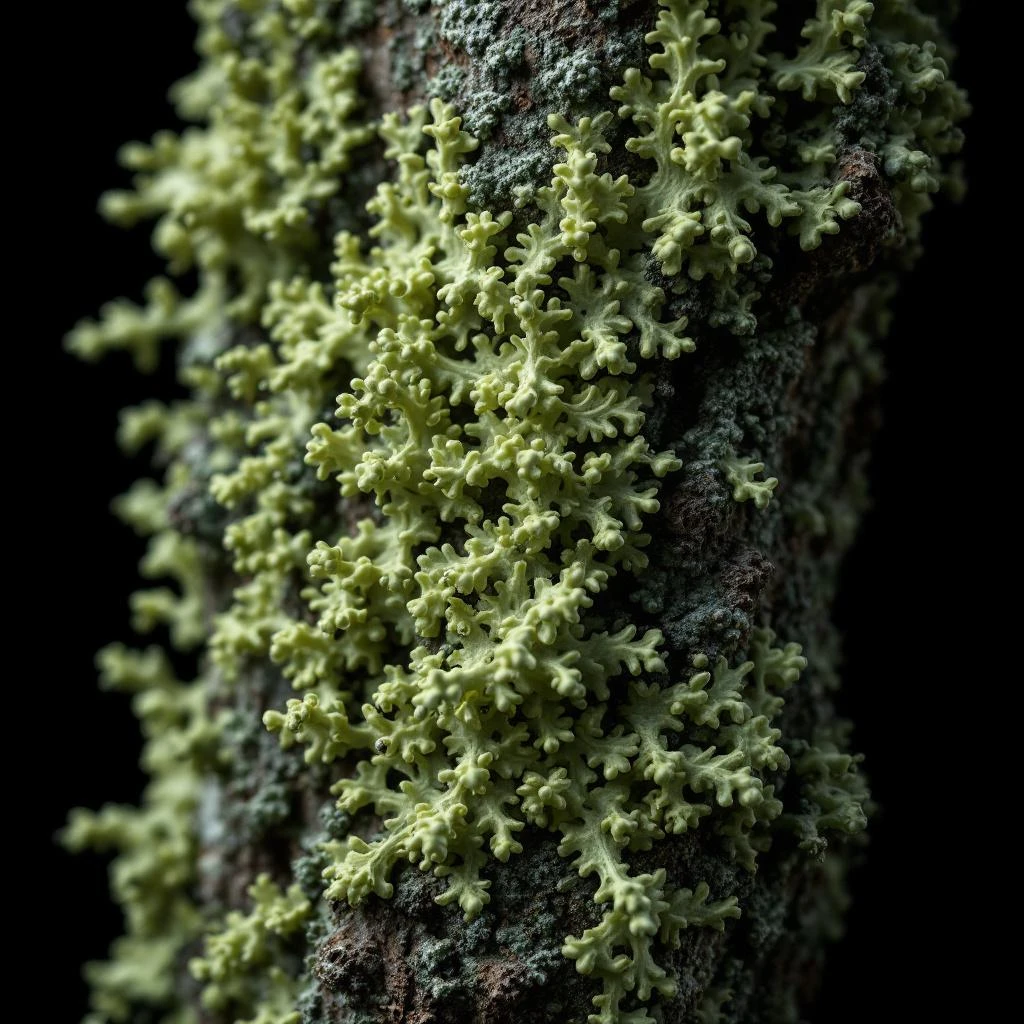
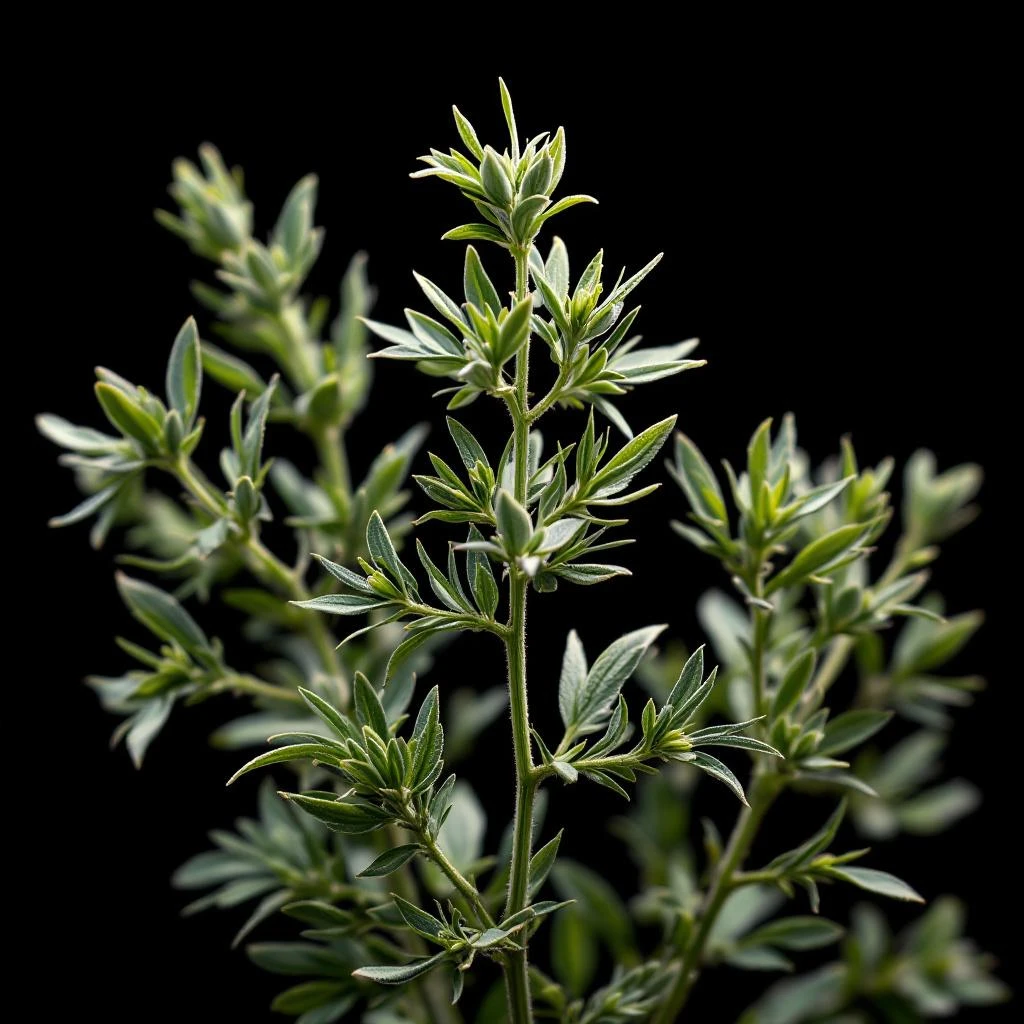
Oakmoss is not a moss at all but a lichen, a symbiotic organism formed from algae and fungi growing together on tree bark.




Origin
Austria
Oakmoss entered modern perfumery at the end of the 19th century, when synthetic chemistry began reshaping the industry. However, its olfactory cousins appeared in Roman-era blends featuring styrax, calamus, and labdanum. The development of chypre compositions in early 20th-century Paris, particularly following the 1917 launch of Coty's Chypre, cemented oakmoss as an essential perfumery material.
Tyrolean oakmoss specifically became valued for its high-altitude growing conditions, which produce lichen with concentrated aromatic compounds. Regulatory restrictions on certain oakmoss components since the 2000s have prompted reformulation across the industry.
Wears it best
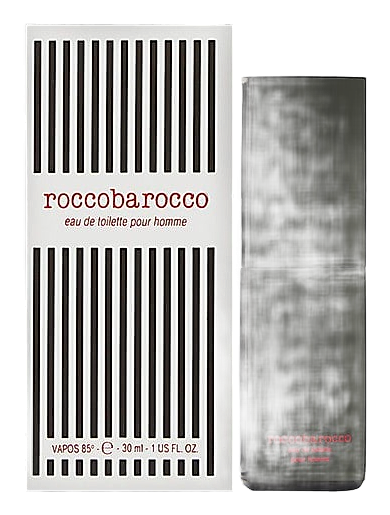
Fragrances featuring Tyrolean Oakmoss
Brands
Brands known for Tyrolean Oakmoss
Good to know
Questions, answered
The essentials on Tyrolean Oakmoss in perfumery: how it smells, where it comes from, and how it behaves on skin.
What does Tyrolean Oakmoss smell like?
Tyrolean Oakmoss smells earthy, mossy, and forest-like with resinous undertones. Its character evokes damp woodland floors and tree bark, providing a grounding, natural depth that balances brighter top notes in fragrance compositions.
Is oakmoss actually a moss?
No, oakmoss is technically a lichen, not a moss. It consists of a symbiotic relationship between fungi and algae. The species Evernia prunastri grows on oak and conifer bark, absorbing nutrients from both partners.
What fragrance families use oakmoss?
Oakmoss serves as a defining ingredient in chypre and fougère families. It creates the characteristic 'mossy' base notes in these compositions, providing structure and woodland depth that distinguishes them from floral or citrus-dominant scents.
Why is Tyrolean oakmoss distinctive?
Tyrol's Alpine altitude and cool climate produce oakmoss with highly concentrated aromatic compounds. The extended growing season and specific moisture conditions in these mountain forests yield lichen with exceptional olfactory intensity.
How is oakmoss extracted for perfumery?
Harvesters collect the lichen by hand from tree bark, then process it using solvent extraction at temperatures between 40 degrees Celsius and the solvent's boiling point. The process exceeds 12 hours to fully capture the aromatic compounds before removing the solvent.
Has oakmoss been restricted in perfumery?
Since 2001, IFRA regulations have limited atranol and chloroatranol content in oakmoss extracts due to skin sensitization concerns. This has led to reformulated versions of classic fragrances and alternative natural materials.
Can synthetic alternatives replace oakmoss?
Synthetic materials like oakmoss absolute substitutes andtree moss exist, but they cannot fully replicate the complexity of natural oakmoss. Natural extracts contain hundreds of compounds that create nuanced, organic scent profiles.
Which classic fragrances showcase oakmoss?
Iconic chypres like Coty's Chypre (1917), Guerlain's Mitsouko (1925), and later Azzaro's Pour Homme (1978) built their signatures around oakmoss, demonstrating its foundational role in masculine and unisex perfumery.