
The Story
Why it exists.
The beginning
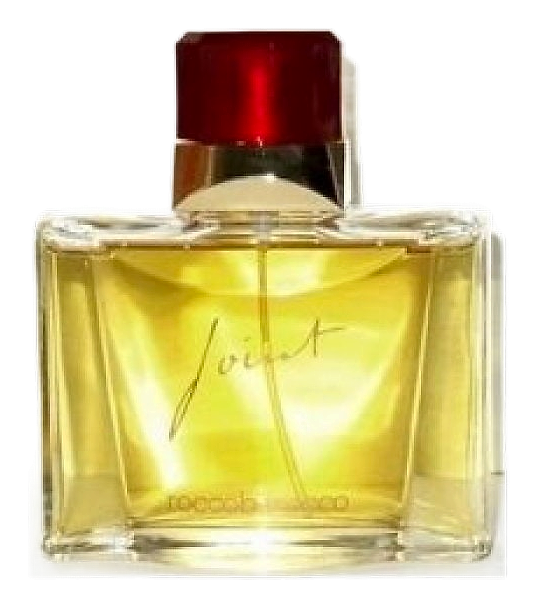
Joint pour Femme arrived in 1993, and from the first spray it asks to be taken seriously. The juice opens with a bright, almost green hit of citrus and a tart fruit lift that quickly warms into a spiced heart of rose, cinnamon, and carnation. There's an immediate sense that this was composed with intention rather than assembled from a brief, a fragrance built to project confidence on its own terms. The base settles into amber, vanilla, sandalwood, and a mossy patchouli that wraps everything in a soft, slightly sweet drydown. It's the kind of composition that reads as dressed-up without tipping into gala territory: a fragrance for an ordinary evening that wants to feel a little more itself than usual.
What's notable here is the restraint disguised as excess. The pyramid lists just five ingredients, yet the accords read spicy, floral, oriental, sweet, and animal simultaneously. That's the chemistry of jasmine layered over the same musk, sandalwood, and vanilla that anchor the base. Rather than adding more notes, the composition lets each material echo through every layer, producing density through repetition rather than complexity.
The evolution
The first ten minutes belong to jasmine, and it comes in dense, a white-flower sharpness that's less delicate garden and more warm evening air. Lily of the valley softens the edges, lending a green sweetness that keeps things from going sultry too fast. Within thirty minutes the base materials surface. Musk arrives creamy and warm, sandalwood adds its milky smoothness, vanilla pours in like something warm left on a stove. The drydown is where this fragrance settles into its truest self: a close-skin blend of musk and vanilla that lasts for hours. On fabric the next day it's softer still, a powdery warmth that doesn't shout. Moderate sillage means it stays personal, a scent for the wearer and whoever leans close enough. The opening carries a candied lift that fades into something earthier as the woods arrive, giving the composition a sense of motion.
Cultural impact
Joint pour Femme belongs to a moment when florals still carried weight, when a sweet heart could read as a statement rather than a softener. The animalic undertone in its musk gives it an edge that separates it from the safer launches of any era. Today it appeals to wearers who want something that smells of intention, not a department store abstraction. The fragrance holds a particular appeal for those who remember the 1990s perfume shelf as a place where confidence came bottled, and where a floral oriental could still carry a little fire under the sweetness.