The Story
Why it exists.
The beginning
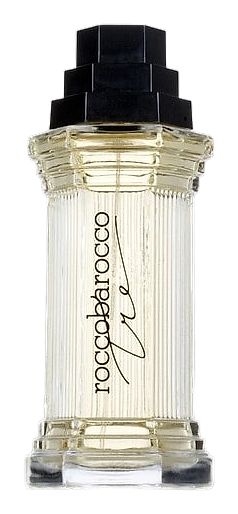
Tre arrived in 1991, designed by Maurizio Cerizza during a period when Italian fashion houses were establishing their fragrance identities alongside their runway collections. The name itself, Tre, Italian for three, suggests something elemental, a foundation. In the context of Roccobarocco's broader perfume portfolio, which would eventually span over a dozen scents from the woody Vetiver to the modern Platinum Dream, Tre stands as an early statement of intent: a feminine floral-fruity composition that translated the house's Milanese sensibility into something wearable and confident. Cerizza's brief was to create a fragrance that felt like a natural extension of the label's bold aesthetic, not a quiet accessory, but a considered element of personal style.
What makes Tre's structure interesting is the tension between its top and base notes. The opening, passion fruit, peach, blackcurrant, could easily tip into tropical excess. Violet leaf is the counterweight, adding a green, almost mineral snap that keeps the fruit honest. The heart combines cyclamen's watery freshness with magnolia's creamy white floral weight and jasmine sambac's exotic warmth. These are delicate materials that can overwhelm each other in the wrong hands. Cerizza uses them as a transition rather than a destination. The base, musk, sandalwood, amber, is where Tre earns its longevity. These materials don't project aggressively. They hold close, warm the skin, and stay.
The evolution
The opening hits bright and fruity, passion fruit and peach doing the work you'd expect, blackcurrant adding a tart edge underneath. Violet leaf arrives within minutes, green and slightly bitter, keeping the sweetness from feeling overripe. The transition to the heart phase takes about 30 minutes. Cyclamen and magnolia soften the landing. Jasmine sambac adds depth without heaviness. This is where Tre becomes a white floral fragrance rather than a fruity one. The drydown belongs to musk and sandalwood. Amber wraps everything in warmth. The sillage stays moderate, this is not a fragrance that fills a room. It's the kind of scent you discover when someone leans in. On most skin types, the drydown holds for 6-8 hours, intimate and close, powdery in the best way.
Cultural impact
Tre arrived in 1991 during a period when Italian fashion houses were expanding beyond apparel into personal fragrances as a way to build brand identity and reach new audiences. Roccobarocco, known for its bold Italian fashion aesthetic, positioned Tre within this landscape of growing fragrance offerings from fashion houses. The composition reflects the early 1990s preference for bright, fruity top notes paired with contemporary white florals, capturing a transitional moment in mainstream fragrance preferences. The use of passion fruit and peach signaled a move toward tropical influences that would become more common in later decades, while the Mediterranean sensibility kept it grounded in Italian perfumery traditions.
The House
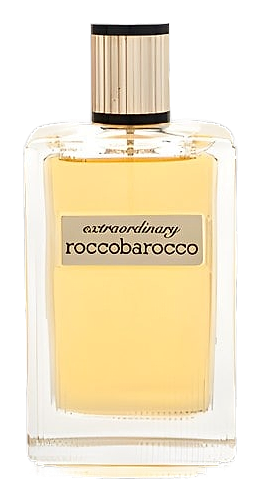
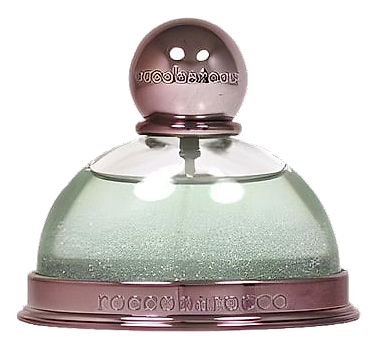
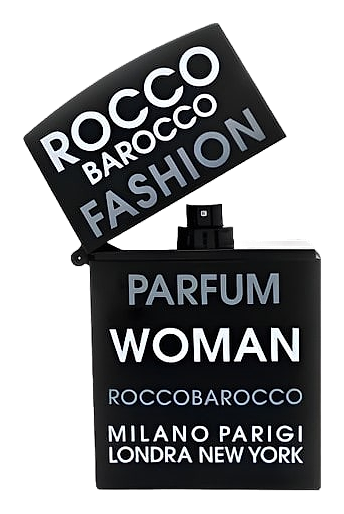
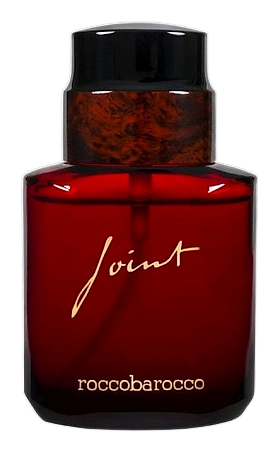
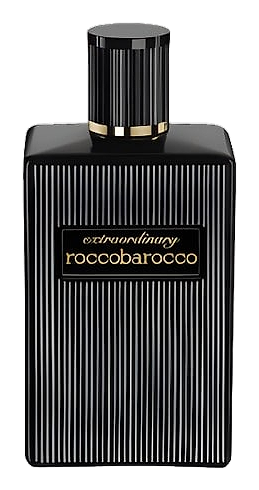
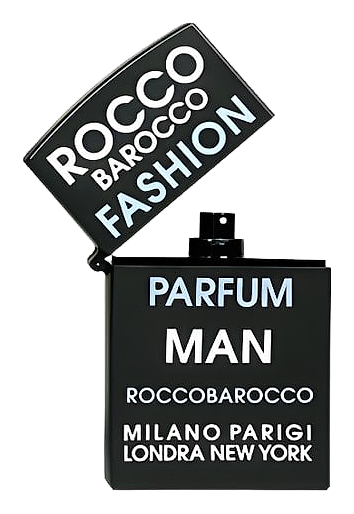
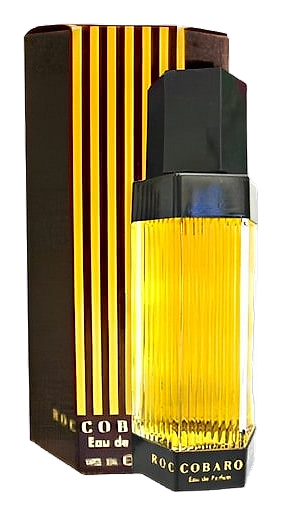
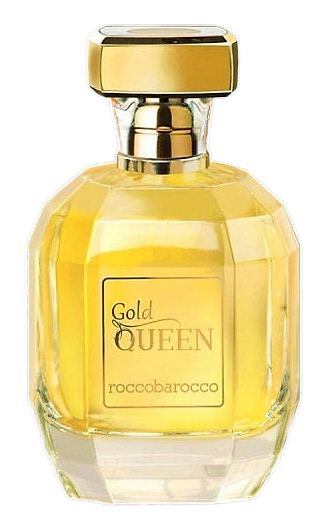
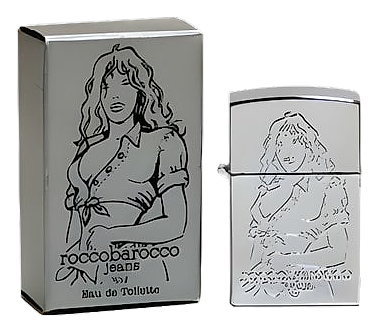
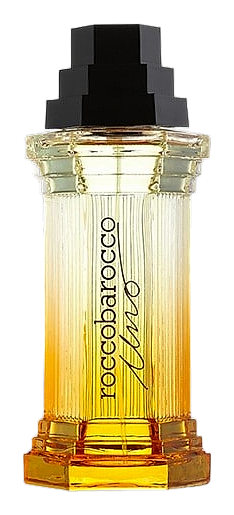
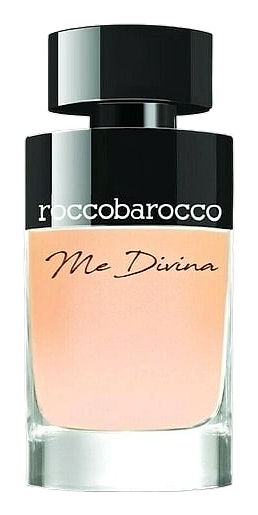
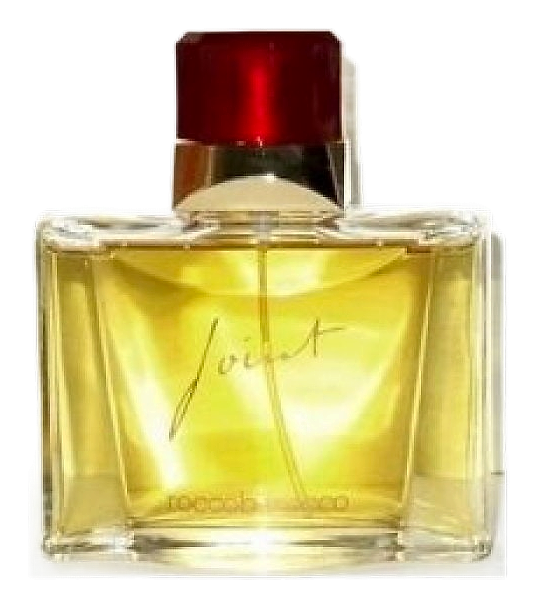
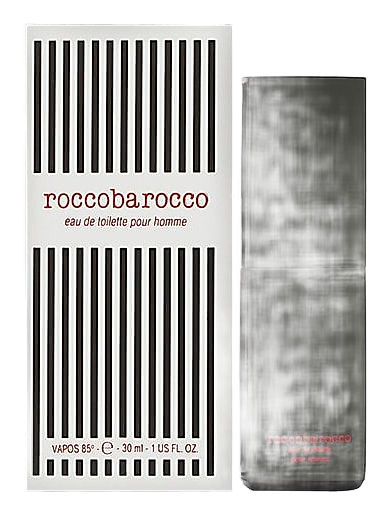
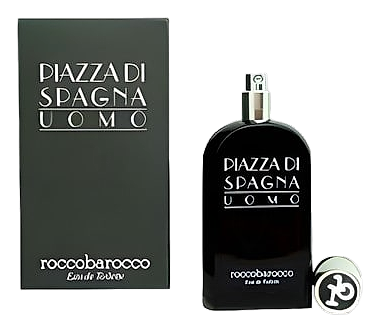
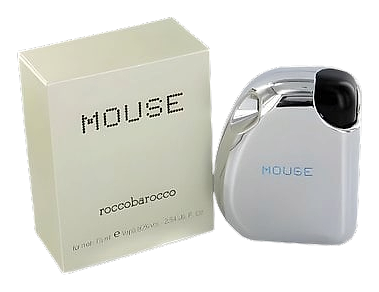
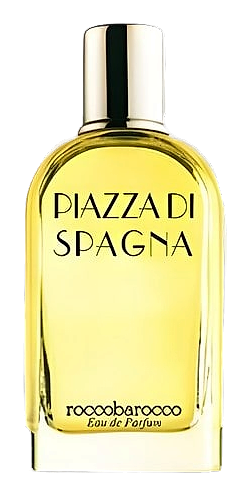
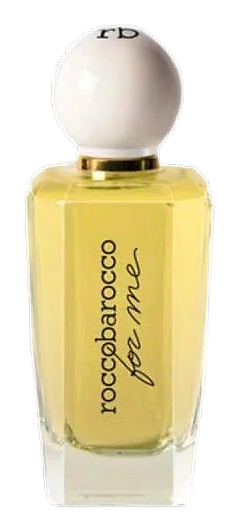
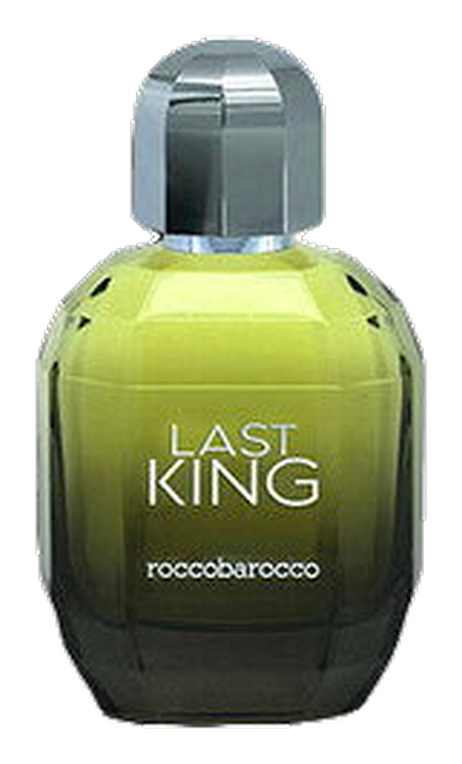
RoccobaroccoRoccobarocco is an Italian fashion and fragrance house that grew out of the eponymous designer’s runway success in the mid‑1970s. The label translates the designer’s bold aesthetic into a line of perfumes that balance classic Italian ingredients with contemporary flair. Over the past three decades the brand has released more than a dozen scents, ranging from the woody Vetiver (1993) to the recent Platinum Dream (2023). Each bottle carries the same confident silhouette that the clothing collections are known for, making the fragrance portfolio a natural extension of the house’s style language.
The Creator
Maurizio CerizzaCerizza's work reflects the discipline of the Roure method he absorbed early in his career. He favors working with natural materials, drawing on his family's deep expertise in extraction and distillation to inform every creation.