The Story
Why it exists.
The beginning
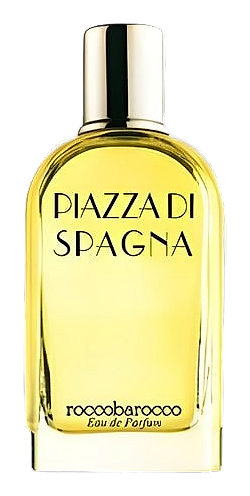
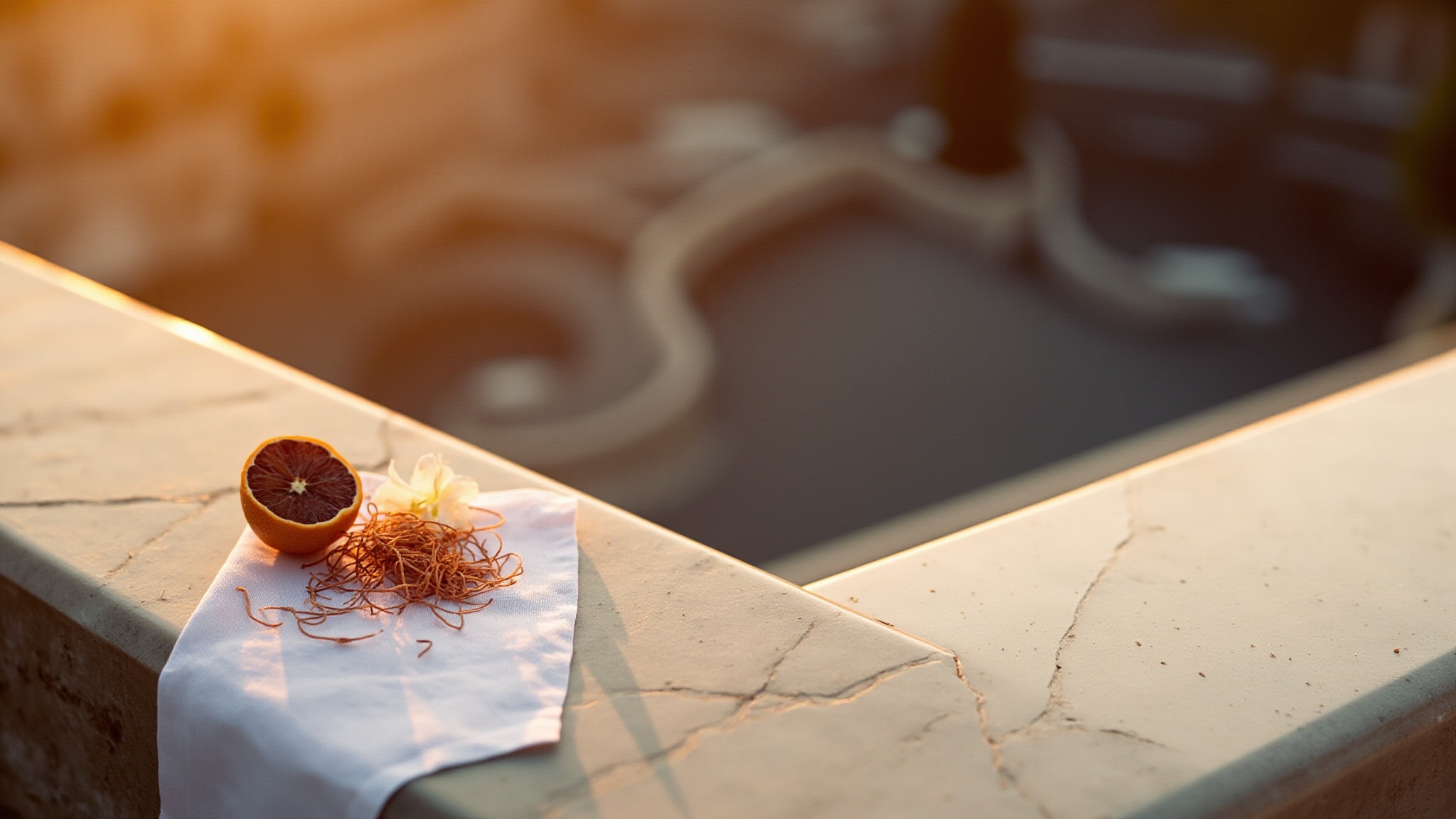
Roccobarocco has always treated scent as an extension of style, not an afterthought, but another way of wearing confidence. Piazza di Spagna, launched in 1997, takes its name from Rome's famous Spanish Steps. The perfumer reached for davana, that distinctive aromatic herb, and anchored it with saffron, a spice that commands attention. The rest of the pyramid builds from there, negotiating between warmth and cool, between the crowd and the quiet corner. Davana brings an unusual quality to the opening, herbal and complex, while saffron adds its characteristic warmth and spice. As the fragrance moves through its development, these two elements create an interesting tension, the davana's aromatic presence meeting the saffron's golden intensity.
What makes this composition unusual isn't just the davana, it's how the top notes set a tone that the heart never fully abandons. Saffron carries its spice through the middle, meeting gardenia and peony in a way that creates an interesting interplay. Rose adds structure, pink pepper adds a clean bite. The base is where most fragrances make their statement, but here, the statement is restraint: ambrette seed instead of animalic musk, vanilla that's warm without being dessert-sweet, white musk that stays close to skin.
The evolution
The davana arrives first, that peculiar aromatic quality that catches attention. Within minutes, the pear and red fruits soften the edges, creating a sweet-fruity warmth that lingers while the heart begins its slow emergence. Gardenia and peony arrive, bringing their creamy and light qualities to the composition. The saffron doesn't vanish, it remains present, woven through the middle notes and adding its characteristic warmth to the floral heart. Rose and pink pepper join the heart, adding structure and a clean, subtle sharpness. As the fragrance transitions into its drydown phase, vanilla emerges as a more prominent element, joined by ambrette seed and white musk. The base develops gradually, with the warmth of vanilla and the soft musk of ambrette seed creating a gentle, intimate foundation. White musk adds a clean finish that lingers close to the skin.
Cultural impact
Piazza di Spagna entered the fragrance market in 1997, a period when Italian fashion houses were expanding their reach beyond clothing. The scent was developed to capture something of the spirit of Rome's famous gathering spot. The Spanish Steps represent a significant cultural landmark, and this fragrance takes its name from that location. The davana-saffron combination was notable for its use of materials not commonly found in mainstream fragrances of that era. Rather than relying solely on traditional floral and musky bases, the composition incorporated davana, an aromatic herb, alongside saffron, a spice with distinctive character.