The Story
Why it exists.
The beginning
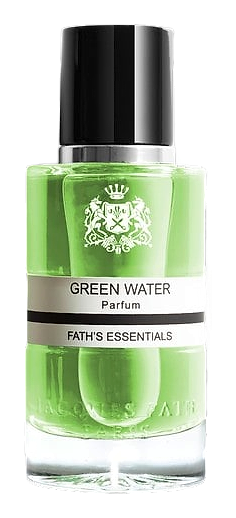
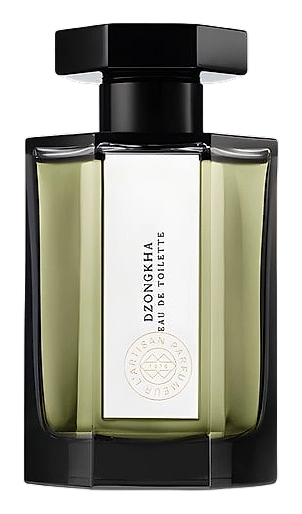
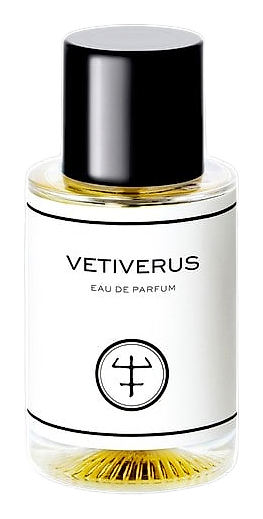
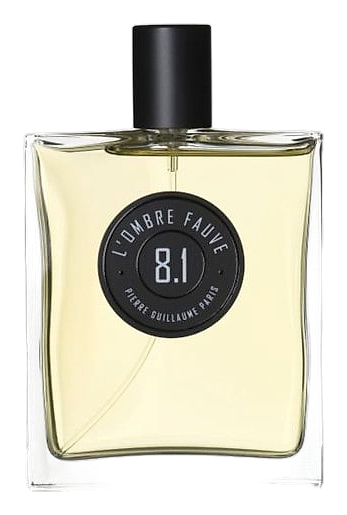
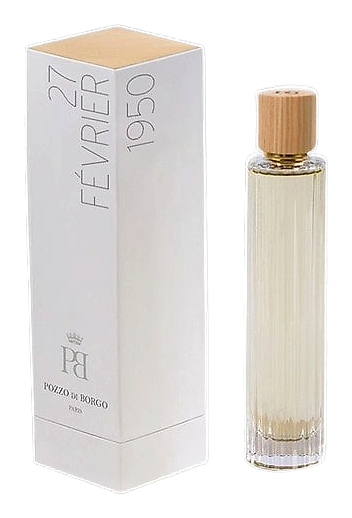
February 27, 1950. A specific day in the Pozzo di Borgo family record, pinned and translated into scent by Pierre Bourdon in 2015. The house treats each date as a biographical entry, a moment held under glass for the wearer to open. This particular date carries Corsican and Provençal light: citron, rosemary, lavender from the south, leaves and bark from the family island. Bourdon composed the fragrance from a palette of herbs and resins rooted in the Mediterranean. A tonic cologne in the classical sense, it sits in that tradition without copying it, drawing on the same vocabulary of green aromatics and dry bases that shaped generations of masculine perfumery before it.
The composition leans on what Bourdon knows best: the architecture of a classic masculine cologne, lifted by Provençal lavender and sharpened with Kahili ginger. The myrrh and cumin at the top do quiet work, adding the kind of dry, resinous warmth that gives the citrus something to lean against. It's a tonic-fresh, not a sport-fresh, and the difference matters. One is built to announce. This one is built to settle in, to become part of the room without dominating it, the way a good cologne did before freshness became synonymous with loudness.
The evolution
The first ten minutes are bright and almost herbal-medicinal, bergamot and rosemary cutting through with a green edge that smells like someone walked through a garden after rain. Mint cools the corners. Then the Provençal lavender arrives and the whole thing shifts into something more floral and grounded, neroli adding a soapy-white-floral softness while the ginger hums underneath, a low clean heat. Cumin whispers at the edges. As the citrus recedes, what's left is the quiet part: oakmoss and patchouli doing the real structural work, fig leaf giving it a dry, almost papery greenness, green tea offering something close to nothing, which is exactly the point. The drydown is a moss-and-tea whisper that persists well into the afternoon, faint but unmistakable.
Cultural impact
It sits comfortably in the lineage of classical French masculine colognes, the kind of structure that niche perfumery keeps reaching for when it wants to revisit tradition without nostalgia. Wearers tend to describe it as contemplative and green rather than bright or sharp. The lavender-and-oakmoss structure places it firmly in chypre territory, though it never gets heavy. One review called it a classic grandpa cologne, and there's something to that. It's a fragrance that rewards quiet wear, the kind you put on for yourself as much as anyone else, and it reveals its qualities slowly over the course of a day.