
The Story
Why it exists.
The beginning
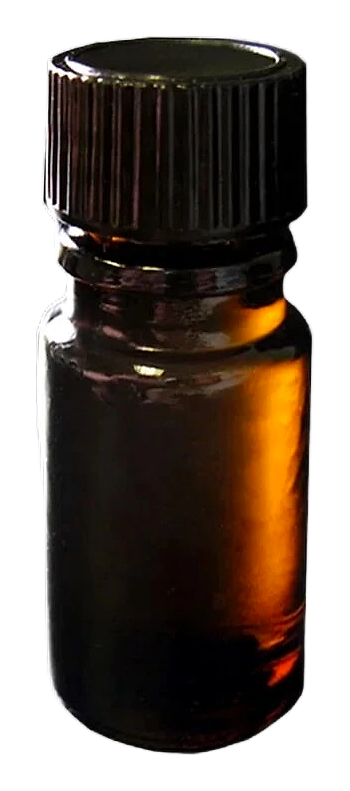
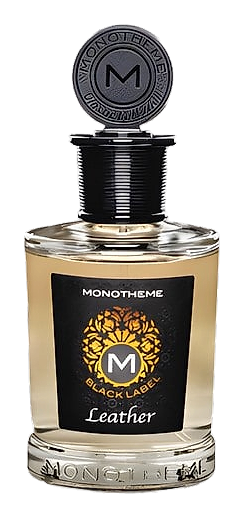
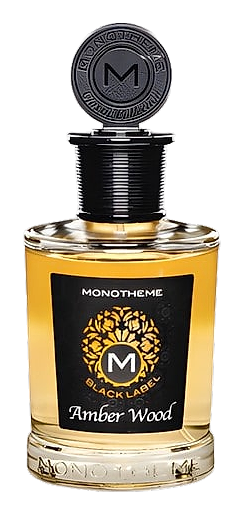
Amber Wood arrived in 2013 as part of Monotheme's Black Label collection, a four-fragrance departure from the house's signature monothematic simplicity. Where most Monotheme releases isolate a single botanical element, Amber Wood embraced complexity: warm Oriental materials, layered woods, and a roster of accords that read like an inventory of depth. The Black Label was explicitly positioned toward the Orient, rich natural oils, carefully sourced resins, and an intention to evoke olfactory wealth rather than refined minimalism. Amber Wood became the collection's anchor piece, the one that pushed furthest from the house's comfort zone into territory that was darker, smokier, and more challenging than anything Monotheme had released before.
The note structure is unusual within the house's catalog. Saffron appears rarely in Monotheme compositions, yet here it opens the fragrance alongside labdanum and frankincense, a trio of resins that together create a bright, almost medicinal top that doesn't quite prepare the wearer for what follows. The birch note is doing something unexpected too: in perfumery, birch bark can skew toward wintergreen (sweet, sappy) or toward smoked wood (dark, ashy). Amber Wood's birch leans smoke, aligning with the frankincense rather than departing from it.
The evolution
The opening hits first with saffron, sharp, almost bitter, with the faintest sweetness underneath. Labdanum and frankincense build around it within minutes, creating a resinous warmth that smells like sunlight on dark stone rather than any specific citrus or florals. Thirty minutes in, the smoke begins. Birch smoke, specifically, ashy and clean, not smoky-sweet like a candle. The amber appears as a texture rather than a note, binding the smoke to the resins beneath it. By the second hour, leather surfaces. Not the clean leather of a new bag, something warmer, animal-adjacent, that catches some wearers off guard and pulls others in immediately. Vetiver and sandalwood anchor the base, keeping everything grounded in something dry and woody rather than sweet. On fabric, Amber Wood lasts into the evening. On skin, the leather fades last, often still detectable the next morning as a faint, warm residue on clean skin.
Cultural impact
Amber Wood sits in a particular moment in niche perfumery: the early 2010s Oriental revival, when houses across the spectrum were reinterpreting smoky, resinous, animalic materials with varying degrees of restraint and provocation. Within Monotheme's catalog, it remains an outlier, darker and more challenging than the single-note line that defines the brand. Among wearers, it attracts those who've moved past safe, linear fragrances into territory that rewards patience and rewards attention.