The Story
Why it exists.
The beginning
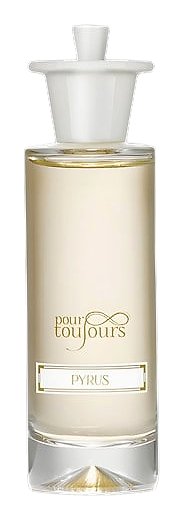
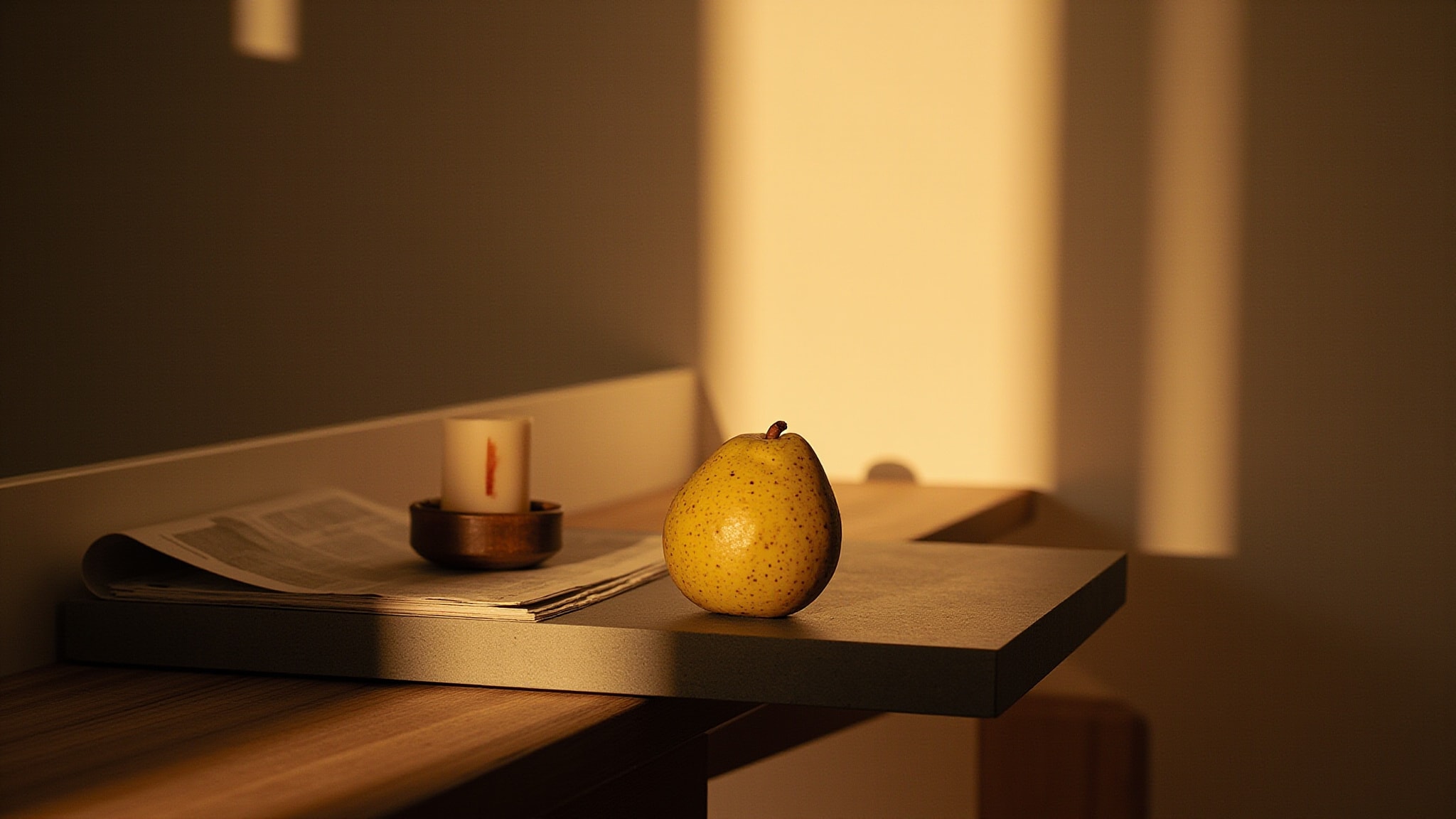
Pyrus is a pear-vetiver blend composed to feel like summer distilled into something wearable, a garden caught at the hour when fruit is heavy and the air is thick with warmth. The name telegraphs the intent: this is botanical, rooted, unapologetically green. A composition that reaches for something which smells alive, something that captures a specific moment rather than chasing trends. The official description calls it proud and exultant, steeped in summer and heightened by a note of balm that comes fresh from the depths of the garden. That phrasing matters. Pyrus reads as a deliberate gesture, not a clean fruit scent or a polite floral but something more textured, more grounded in the raw material of a garden at peak ripeness. The pear note here isn't ornamental.
What separates Pyrus from simpler pear compositions is the beeswax. Rather than leaning on the fruit's sweetness as a single dimension, the fragrance layers the pear against ambrette seed and beeswax in the base, which pulls the whole thing toward something waxy, golden, slightly animal. The citron and Italian bergamot up top keep it from going candied, and vetiver in the drydown anchors the sweetness with a rooty, almost bitter edge. The result sits in unusual territory: fruity but not sweet, floral but not powdery, green but not sharp.
The evolution
The first fifteen minutes belong to citron and Italian bergamot, bright and almost bitter, like squeezing citrus over your wrist on a hot afternoon. Then the pear arrives, and it's not the crisp supermarket variety but something riper, heavier, almost bruised with sweetness. Mimosa lifts it into a hazy, honeyed space that sits somewhere between a flower and a spoon of warm pollen. Rose threads through quietly, not soapy or jammy but green, stem-like, grounding. Around the two-hour mark the beeswax takes over, and the whole composition shifts from fruity to golden, waxy, slightly resinous. Ambrette seed adds a clean musk that hovers close to skin without smothering it. The vetiver emerges last, earthy and a little smoky, and it's what keeps the drydown from collapsing into pure sweetness.
Cultural impact
Pyrus appeals to people who already know what they like and want something the bigger houses aren't offering, a pear scent that takes itself seriously as a composition rather than a pleasant fruit gesture. It's the kind of bottle someone buys because a specific note pairing caught their attention and the execution held up on skin. The fragrance has found an audience among those who prioritize material quality and conceptual coherence over brand recognition, people who approach fragrance as a creative medium rather than a lifestyle accessory. Pyrus won't replace anyone's signature scent, but it doesn't try to.