
Heritage
A house, in its own words
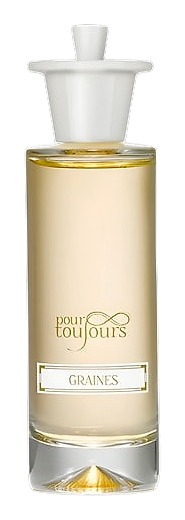
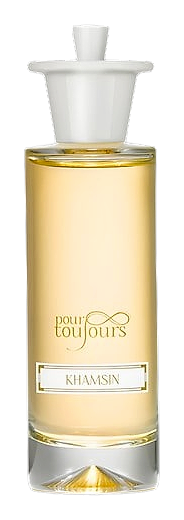
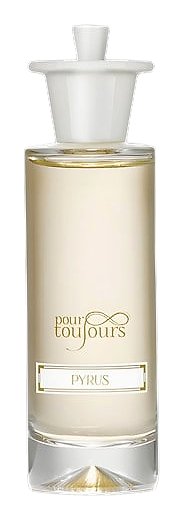
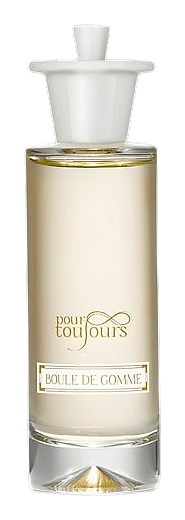
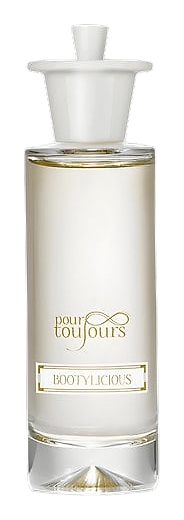
The House of Pour Toujours traces its lineage to Martine Denisot, a trained perfumer who established her Paris-based atelier with a clear vision: creating fragrances that exist outside the conventions of mainstream perfumery. While the exact founding date of the house is not consistently documented across sources, Denisot's work became publicly visible through a series of fragrance releases beginning in 2015, suggesting the house was operational in the mid-2010s. Before establishing Pour Toujours, Denisot cultivated her expertise through dedicated study and practice in fragrance creation, developing a methodology rooted in French perfumery traditions while pursuing an independent creative path. Her interview with Scentury revealed a perfumer deeply invested in sourcing philosophy and the emotional architecture of scent. The name Pour Toujours, translating to 'For Always' in French, reflects the enduring nature of fragrance as an art form, one that exists beyond temporal trends. Each fragrance released under the label carries a year of creation, allowing the house's catalog to function as a timeline of Denisot's evolving olfactory interests, from the fruity-gourmand territory of Bootylicious to the contemplative Vers Dharamsala released in 2017. Denisot approaches perfumery as a form of autobiographical expression, treating each fragrance as a chapter in an ongoing personal narrative. She has spoken about her work in terms of genuine passion rather than commercial calculation, describing her process as driven by curiosity and sensory exploration. The brand's philosophy centers on authenticity: creating scents that reflect specific moments, places, or emotional states rather than following market demands. This approach results in a catalog that defies easy categorization, spanning olfactory families without apparent concern for trend alignment. Pour Toujours fragrances are designed to provoke recognition rather than simply please, aiming to create memorable sensory experiences that linger in the wearer's memory long after application. The house rejects the notion of fragrance as mere cosmetic product, instead treating each composition as a portable artifact of experience and imagination. Denisot's interviews suggest a belief that perfume should require active engagement from the wearer, rewarding attention and sensitivity to nuance.