The Story
Why it exists.
The beginning
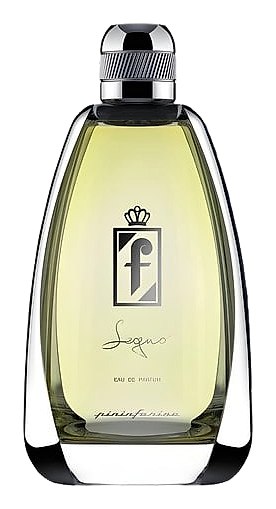
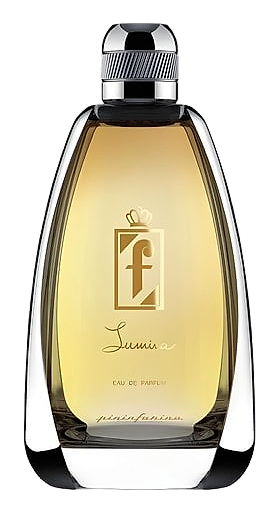
Lumina arrived in 2015 from the design name Pininfarina, with Paolo Pininfarina credited as the bottle designer. Its fragrance is built around orange and neroli, almond and spice, followed by heliotrope, iris, jasmine, Turkish rose and cedar. The note list moves from citrus and warm accents into a layered floral-woody composition, combining the brightness of orange and neroli with the softness of almond, heliotrope, iris, jasmine and Turkish rose. Cedar adds a woody element to the composition. Lumina and Segno are both fragrances from Pininfarina, with each presented through its own distinct note structure and bottle design.
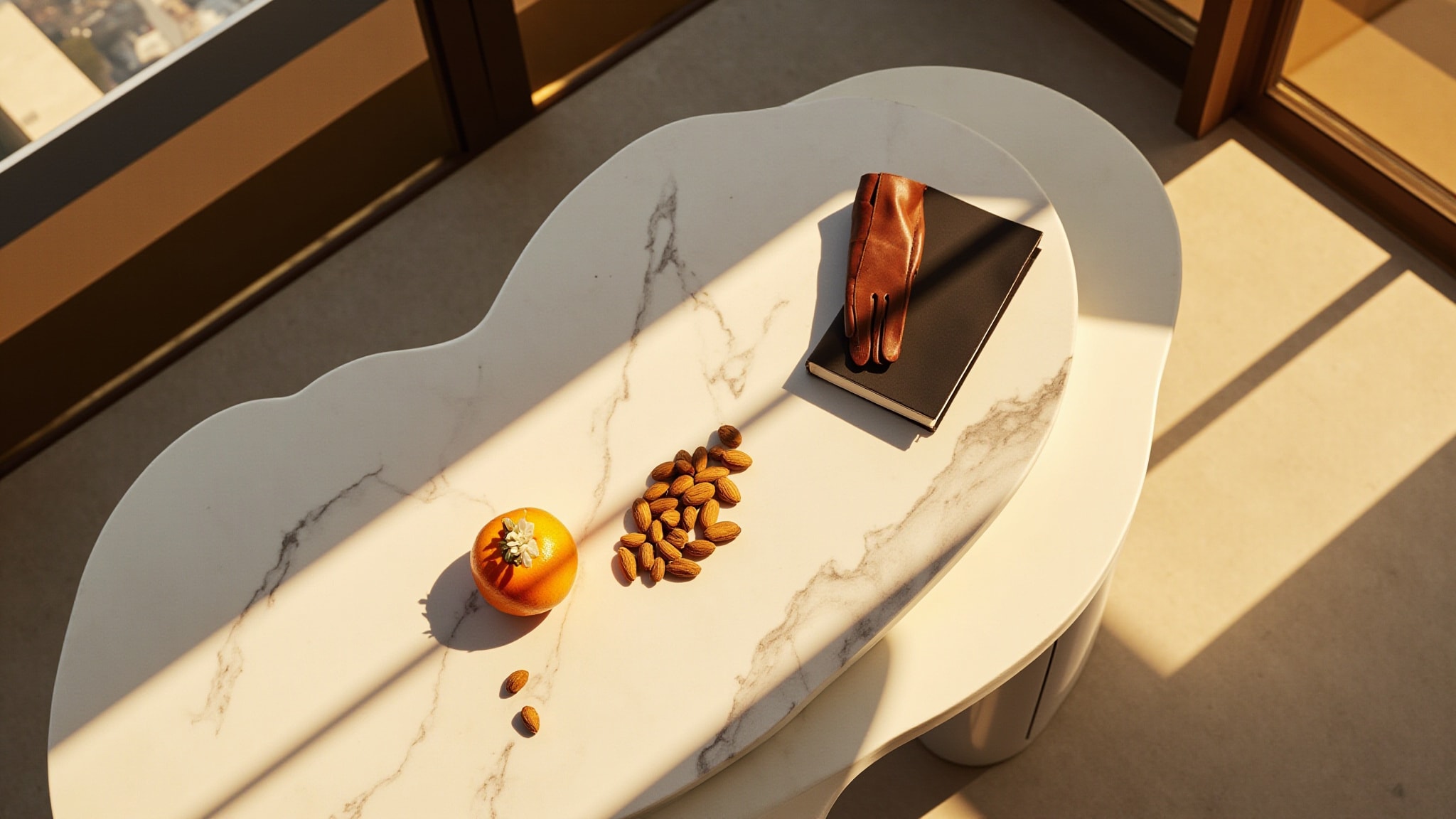
Almond is one of the most distinctive elements in Lumina, meeting neroli and orange in the opening alongside spice. Its warm, edible character contrasts with the cooler floral notes that follow, particularly iris and heliotrope. Jasmine, gardenia and Turkish rose add further floral layers, while cedar introduces a woody dimension to the composition. Together, the notes move between warm almond, bright citrus, powdery florals and wood, creating a composition with both freshness and depth.
The evolution
The opening begins with orange and neroli, accompanied by the warm presence of almond and spice. Gardenia and jasmine add a floral character, while iris and heliotrope introduce a cooler, powdery aspect. Turkish rose enriches the floral portion of the composition with another rose note. Cedar provides a woody counterpoint as benzoin, amber, patchouli and vetiver complete the listed structure. The progression moves from citrus and almond through layered florals, then into a warmer base defined by resinous, earthy and woody notes, giving Lumina a clear evolution across its note architecture.
Cultural impact
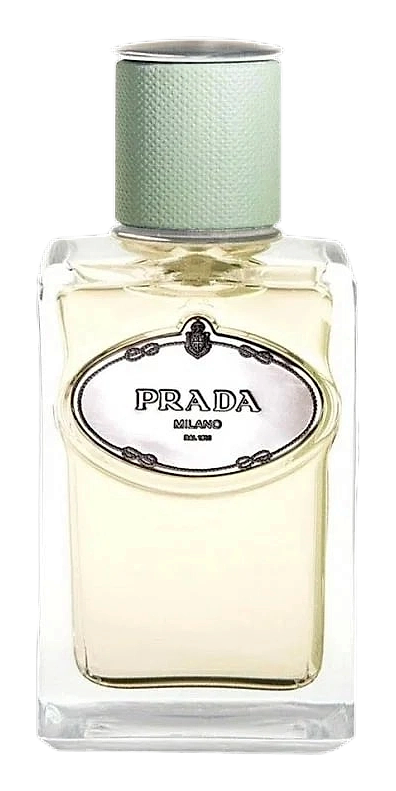
Lumina's place within fragrance culture can be explored through its composition and the perfumes commonly associated with it by wearers. Its note structure combines orange and neroli with almond and spice, then develops through heliotrope, iris, jasmine, gardenia and Turkish rose into cedar, benzoin, amber, patchouli and vetiver. The listed comparisons with Prada Infusion d'Iris and Maison Martin Margiela By the Fireplace point to perfumes that wearers of Lumina also like, offering several ways to explore its citrus-floral, powdery and woody character.
The House
PininfarinaPininfarina is an Italian design name that entered fragrance through Segno and Lumina, both launched in 2015. Rather than presenting the fragrances as a long-established perfume house, the brand connects them to Pininfarina's broader association with automotive design. The perfume catalogue is compact, with two named releases recorded in the available fragrance database. Its appeal lies in the meeting of sculptural presentation and the visual language of cars, a direction also reflected in Pininfarina's collaboration with Guerlain on a perfume bottle inspired by automotive design.
The Creator
Paolo PininfarinaNo fragrance creations or formal perfumery credits are documented for Paolo Pininfarina, so any description of his olfactory style remains interpretive rather than confirmed. Drawing from his celebrated design career, a Pininfarina fragrance would likely favor a polished openi…