The Story
Why it exists.
The beginning
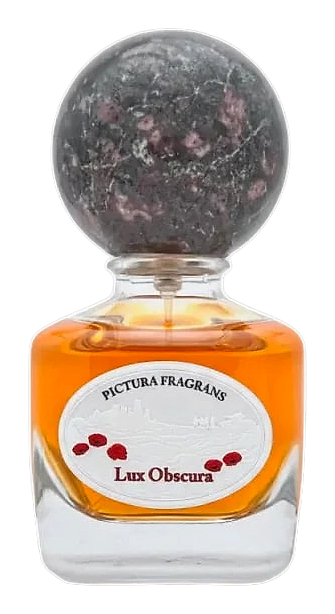
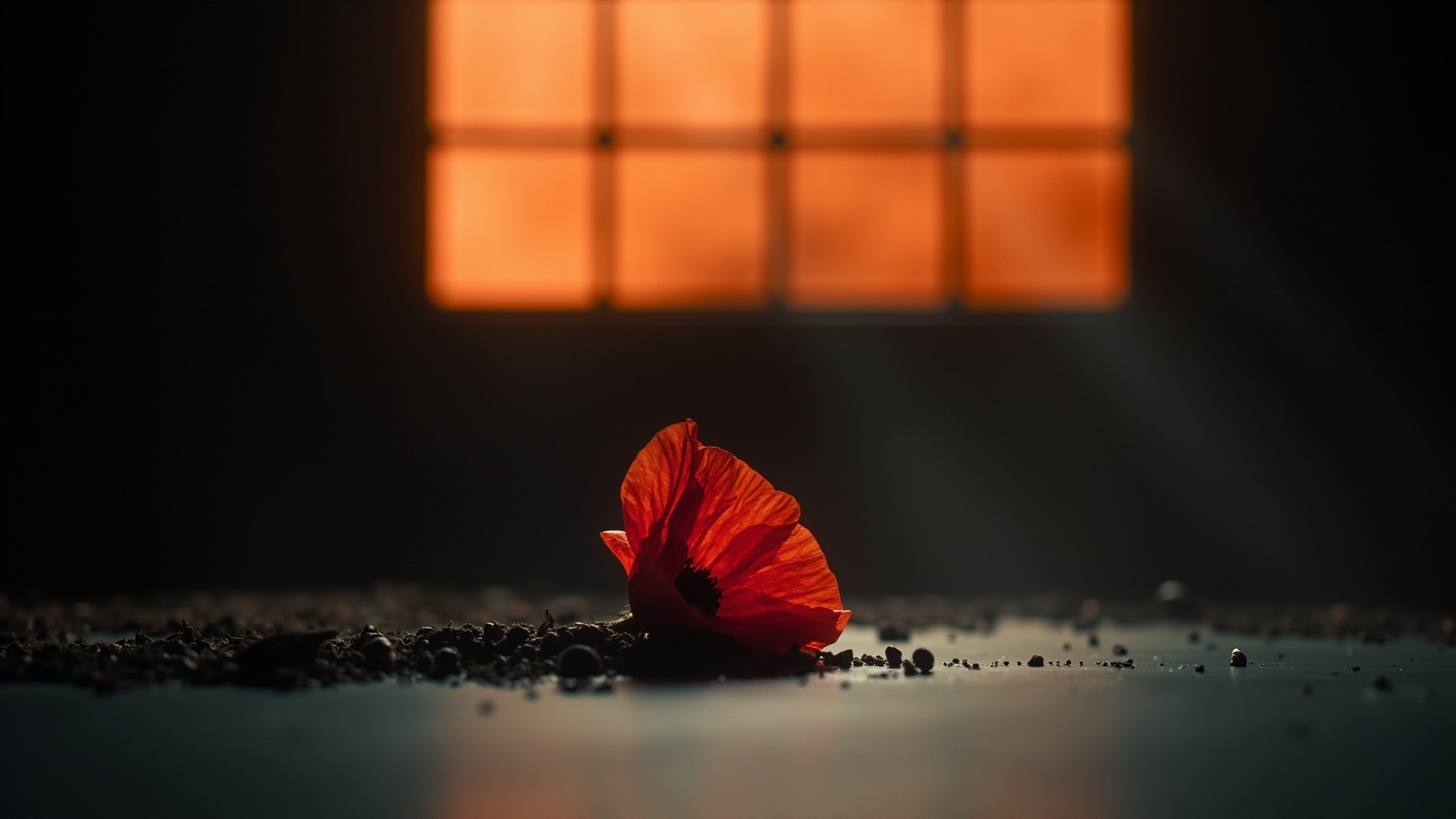
Lux Obscura arrived in 2026, the work of DL Jenkins, the solo perfumer behind Pictura Fragrans. The composition reads like a landscape painted in gunpowder residue and red petals, a field that refuses to stay buried. The notes list reads less like a pyramid and more like the inventory of a place: loam, rain, gunpowder, blood. There's a seriousness to the premise that runs through every element of the build, from the choice of raw materials to the way the notes are weighted against one another. Nothing here is decorative. Nothing is padded. The loam arrives cold and mineral, dense with the smell of turned earth after a long dry spell. Rain note settles over it like weather, not as a fresh spring shower but as the kind of heavy, metallic drizzle that flattens everything beneath it.
What makes Lux Obscura worth a second look is how seriously it takes its own premise. Blood and gunpowder and loam aren't decorative gestures. They arrive in the opening and they stay loud. The resinous backbone, opoponax and the smokiness from Orcanox, gives the composition structural weight without softening the edges. Akigalawood® and Clearwood™ function here in textural roles, adding a scorched, charred quality that reads as burnt timber, slick residue, and the kind of dry heat that lingers after a fire has passed through. These materials ground the composition in something tactile.
The evolution
On skin, Lux Obscura doesn't ease you in, it pulls you under. The first minutes are a collision. Iodine and gunpowder hit together, metallic and slightly acrid, then the rain accord softens the edges just enough to let the loam and smoked paprika register. Ginger arrives sharp, almost antiseptic, cutting through the minerality like a signal flare. The blood note settles into a copper-warm undertone that reads more as iron and skin than anything literal. Poppies emerge later in the wear, not as a flower so much as a dried, papery sweetness, almost like saffron's quieter cousin. The heart opens into something that smells like a velvet curtain in a room where someone's been smoking for decades: tobacco, black tea, and carnation weaving together into a dense, slightly sweet smolder. Clearwood™ and patchouli give it depth without dirt. The base is where Lux Obscura earns its keep.
Cultural impact
Lux Obscura exists outside the usual channels of trend-driven fragrance discourse. It doesn't borrow from the current wave of sweet, gourmand-heavy releases, and it doesn't chase the clean, skin-scent aesthetic that dominates mainstream counters. Instead, it commits to a darker, more mineral direction, building around gunpowder, blood, loam, and resin in proportions that prioritize texture and weight over easy wearability. The bottle cap, crafted from andesite, signals the same seriousness as the juice inside. The stone carries its own weight, its own temperature, its own quiet gravity, and it prepares the hand for what's inside.