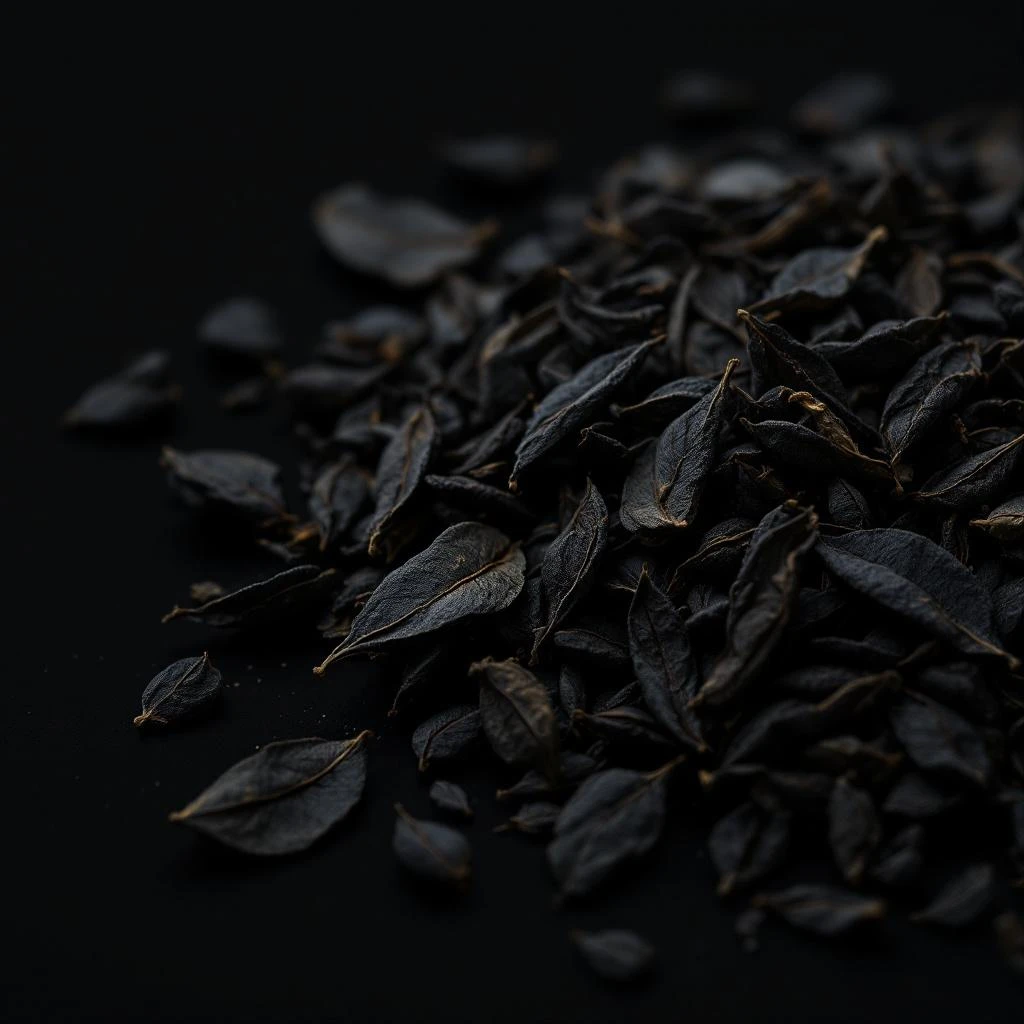
Loam
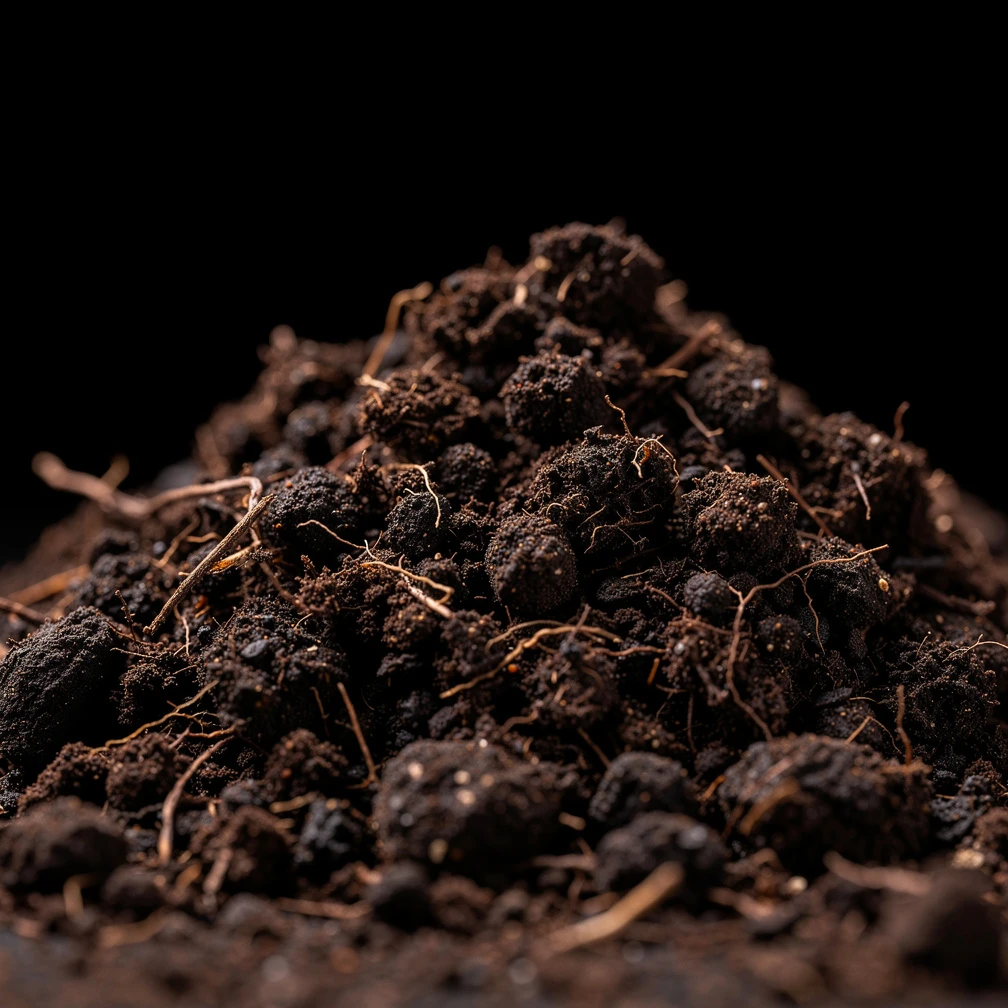
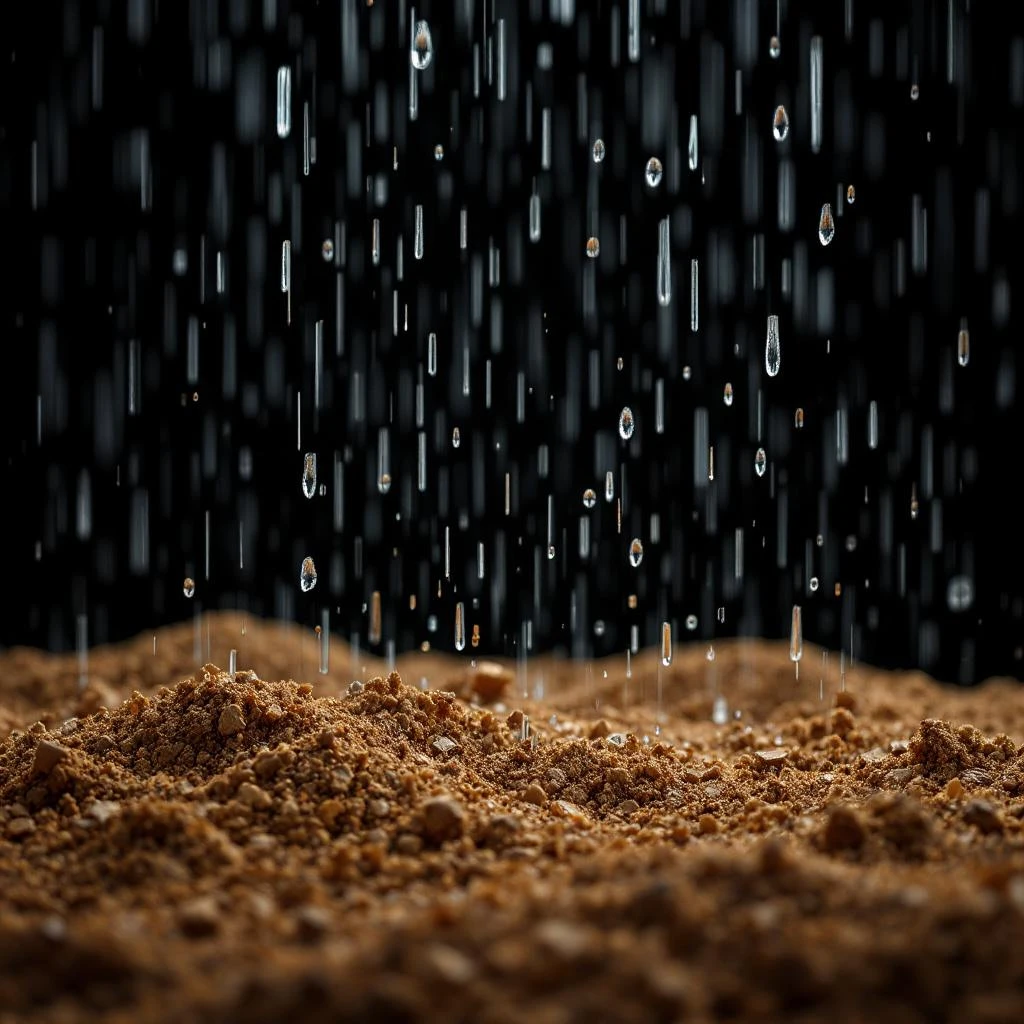
Loam is a base note ingredient in perfumery that captures the deep, earthy aroma of fertile soil after rain. It provides grounding, organic depth and a living, breathing quality to fragrance compositions. The scent is inherently complex, combining mineral richness with biological warmth.
Character
How it smells
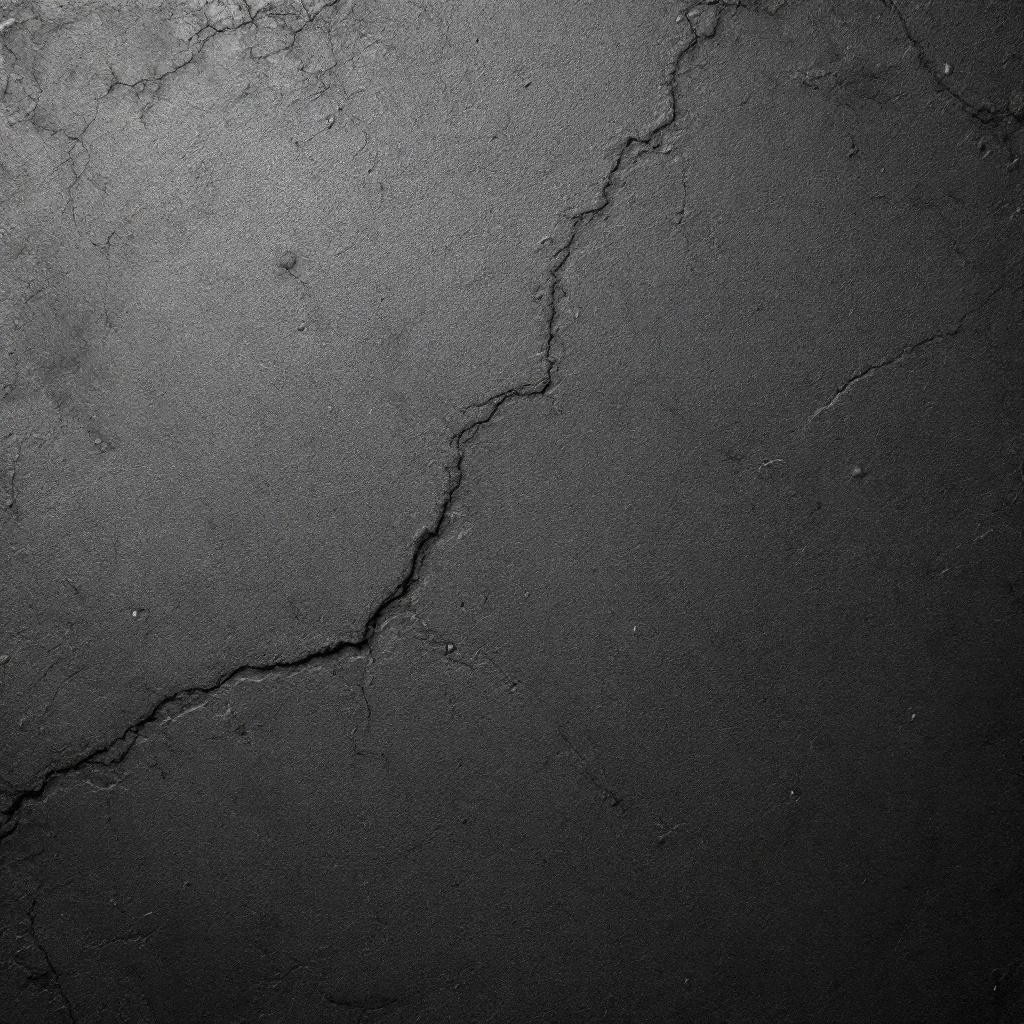
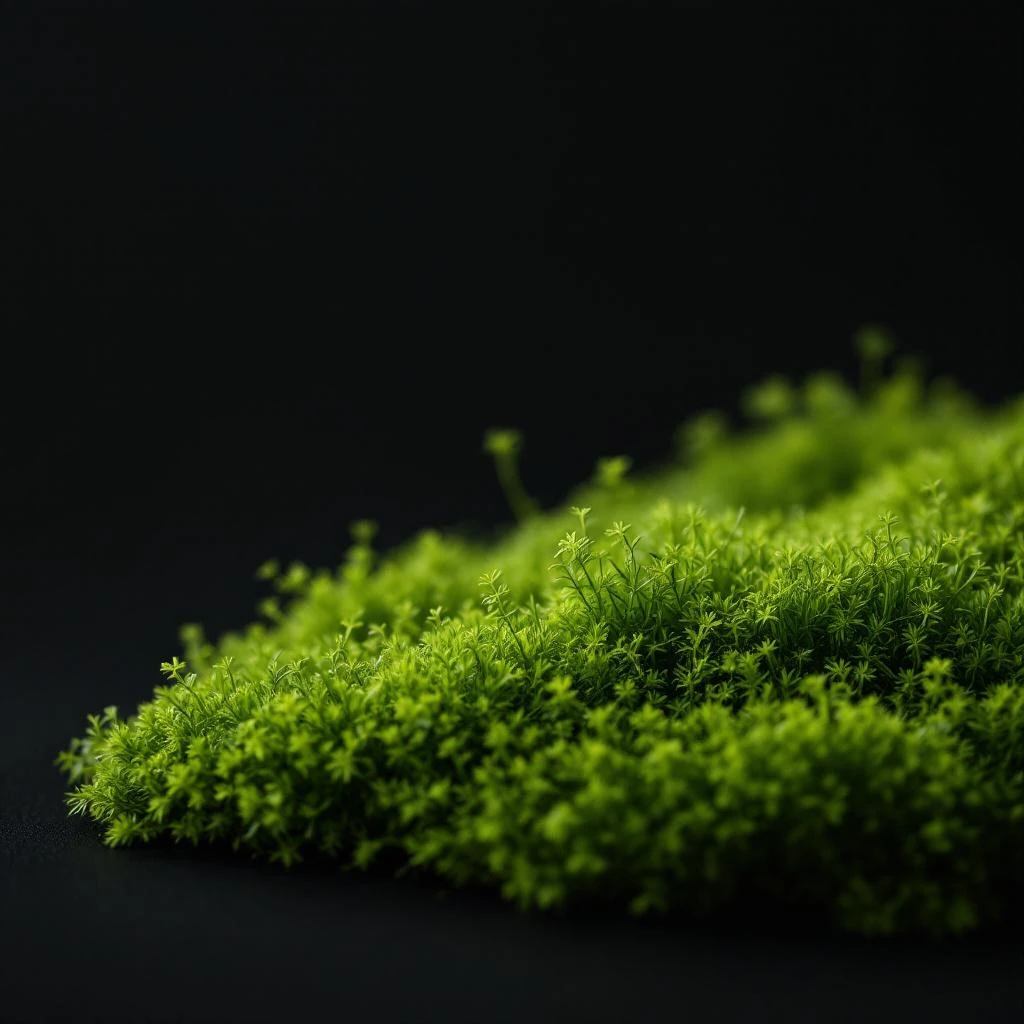
The living memory of earth. Deep, mineral, and grounding.
Humans can detect geosmin, the primary compound in loam, at concentrations as low as 5 parts per trillion. Our sensitivity to this soil scent is among the highest of any known molecule.


Origin
France
Earth notes have accompanied human fragrance-making since antiquity, though not always by the name loam. Ancient Egyptians burned resins and myrrh that carried mineral and soil-like undertones, while Mesopotamians used bitumen and natural asphalts in their aromatic preparations. The Greek physician Galen documented earth-scented medicinal preparations in the 2nd century.
What changed in modern perfumery was the isolation of geosmin in the 1960s, when scientists identified this compound as the specific molecule responsible for that unmistakable post-rain soil scent. This discovery allowed perfumers to work with precision, adding calculated amounts of the compound to achieve specific effects. Contemporary perfumery expanded this further with the rise of " terroir" concepts in fragrance, where the literal earth of specific regions inspired ingredients and accords.
Houses like Serge Lutens and Annick Goutal incorporated loam and earth notes as statements of authenticity and place, treating soil not as a primitive scent but as a sophisticated expression of nature's complexity.
Wears it best
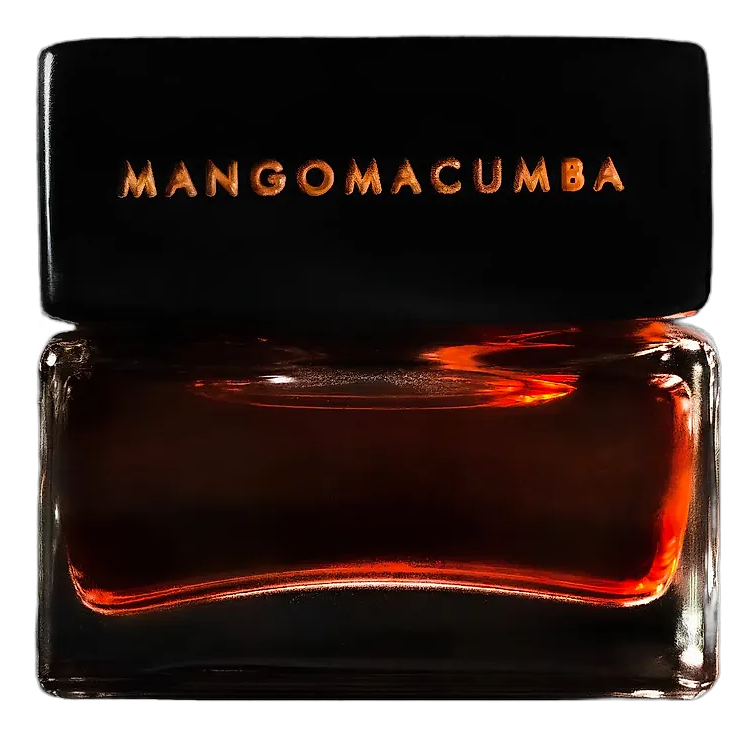
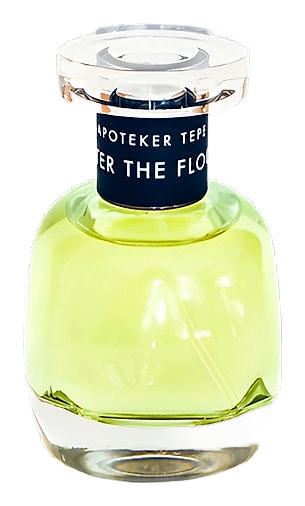
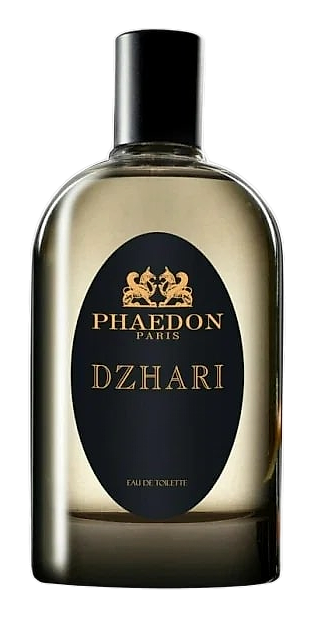
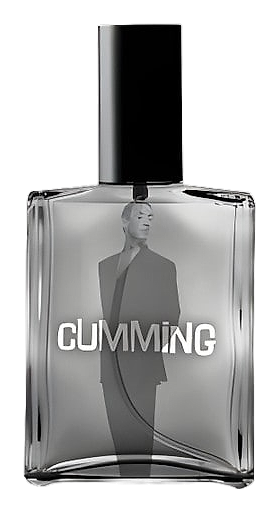
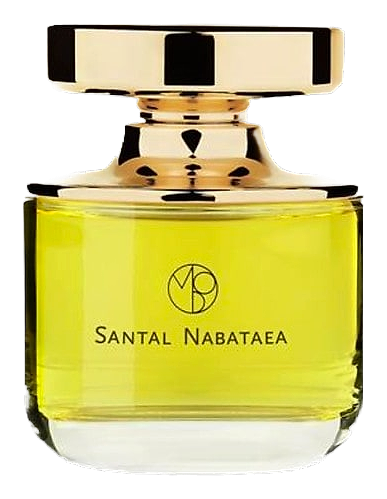
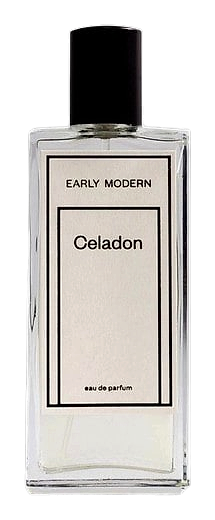
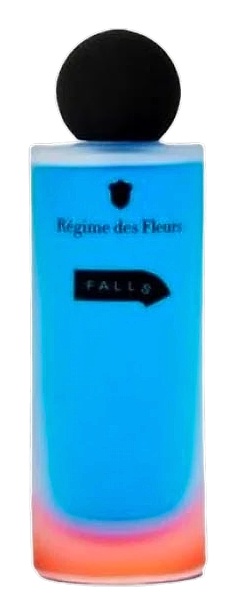
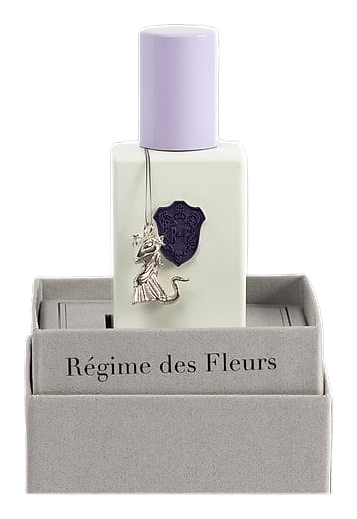
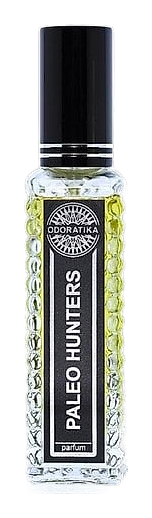
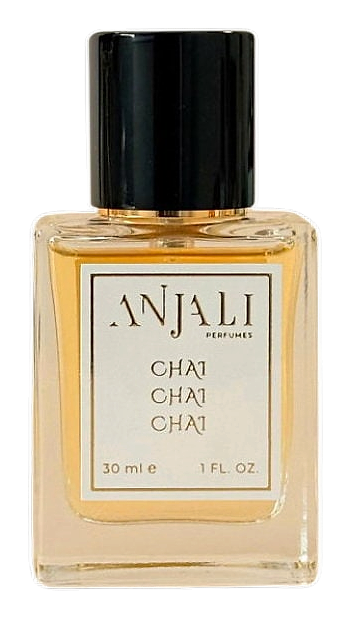
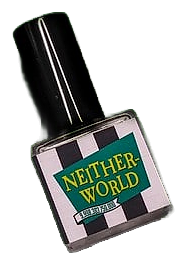
Fragrances featuring Loam
Brands
Brands known for Loam
Good to know
Questions, answered
The essentials on Loam in perfumery: how it smells, where it comes from, and how it behaves on skin.
What does Loam smell like in perfume?
Loam smells like rich, fertile soil after rainfall. The dominant note is geosmin, which gives a deep, mineral earthiness with subtle microbial sweetness. It carries undertones of damp clay, decomposing organic matter, and wet stone, creating an effect that feels alive and grounded.
Why is Loam used in perfumery?
Loam serves as a grounding element that gives fragrances an organic, territorial quality. It adds depth and realism to base notes, often representing forest floors, caves, or ancient landscapes. Approximately 12% of niche woody fragrances incorporate earth or soil accords as signature base elements.
Is Loam in perfume natural or synthetic?
Loam is primarily created using synthetic geosmin, which is chemically identical to the compound produced in nature by Streptomyces bacteria. This geosmin is often combined with natural extracts like vetiver and patchouli. The resulting accord balances 60-80% synthetic geosmin with 20-40% natural supporting materials.
What famous perfumes contain Loam?
Serge Lutens' Feminite du Bois and Annick Goutal's Eau d'Hadrien feature earth and mineral notes inspired by loam. More recent releases like Byredo's Gypsy Water and Le Labo's Santal 33 use woody earth accords that evoke loam's mineral depth. Niche houses incorporate soil notes more frequently than designer brands.
Is Loam a top note, heart note, or base note?
Loam functions as a base note in perfumery. Geosmin itself has low volatility, meaning its earthy character emerges after 30-60 minutes of dry-down and can persist for 6-8 hours on skin. It anchors lighter top and heart notes while adding lasting depth.
What notes pair well with Loam in perfume?
Loam pairs naturally with woody materials like vetiver, sandalwood, and cedar. It complements green notes including galbanum and fig leaf, and harmonizes with mineral elements such as flint and sea salt. Dark florals like iris and violet add contrast, while resins such as frankincense create aromatic complexity.
Where does Loam come from?
Loam as a perfumery material originates from cultured Streptomyces bacteria, which produce geosmin through fermentation. This process occurs in controlled bioreactors. The natural inspiration comes from soil in temperate forests, particularly regions with high organic content and consistent moisture. France and Japan are known for producing high-quality earthy raw materials used alongside geosmin.
Is Loam used in men's or women's fragrances?
Loam appears across both genders in perfumery. It features prominently in masculine-oriented fragrances like Tom Ford's Oud Wood and Le Labo's Santal 33, where it reinforces woody, assertive character. However, houses like Byredo and Serge Lutens use earth notes equally in gender-neutral or feminine-leaning compositions, particularly in chypre and woody-floral structures.