
The Story
Why it exists.
The beginning
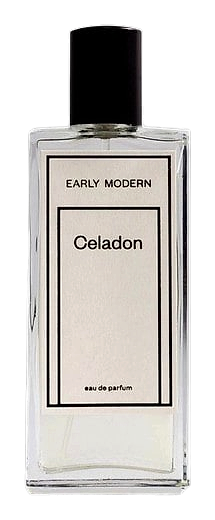
Celadon began with a question: what does lettuce smell like? Clara Weale didn't reach for an abstract concept. She went to the source, the glasshouse, the row upon row of lettuces in steam, droplets beading on cool leaves. Early Modern's practice grounds every composition in historical material culture, and Celadon is no exception. But where most historical references point backward, this one breathes forward. The lettuce note doesn't smell like nostalgia or academic exercise. It smells like Tuesday morning in a greenhouse, immediate, alive, unexpectedly specific. The 2021 launch brought something strange into a market that prizes recognizability. Celadon asked you to trust it before you understood it.
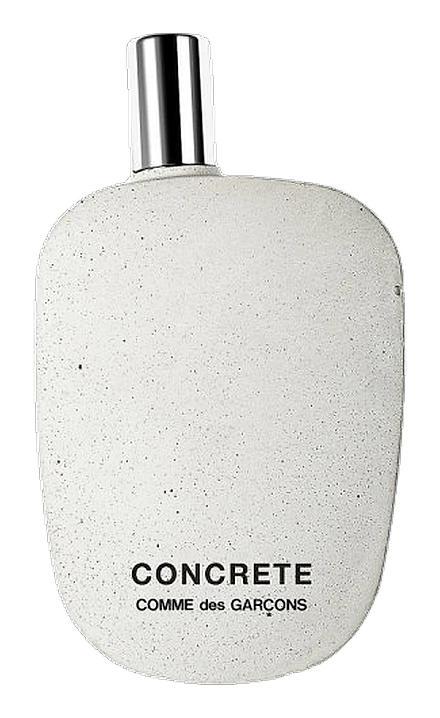
What makes Celadon unusual isn't just the lettuce, it's the company it keeps. Concrete, chalk, and clay are materials that smell like nothing in nature but everything in the built world. They ground the green freshness in something architectural, something that remembers steel and stone. Copaiba balm and tonka bean absolute do something unexpected: they sweeten without softening. The tonka adds a powdery warmth that lifts the whole composition, making the mineral notes feel less austere. It's the difference between standing in an empty room and standing in that same room with light coming through thin silk. Elemi resin adds a faint citrus-spice that prevents the whole thing from going flat.
The evolution
Celadon opens like rain on a windowsill. Cool, immediate, with the mineral punch of wet concrete and the strange green of freshly-cut lettuce. The pepper arrives quickly, a clean heat that cuts through the lettuce's watery freshness. Within 30 minutes, the chalk emerges. Not sharp, but present, the way powder light looks suspended in air. The clay adds body, makes the whole thing feel less ephemeral. This is the glasshouse steam phase: humid, green, architectural. By hour two, the tonka bean takes over. The powder becomes dominant, soft and warm against the mineral base. Musk adds skin-like warmth. The lettuce is still there, you've been smelling it this whole time, though you've been calling it something else in your head. The drydown lasts. On most skin, six hours easily. The tonka and musk linger, the concrete fades last, as if the building outlasted the garden.
Cultural impact
Celadon occupies a specific corner of the niche market: the mineral-green category. Within Early Modern's four-fragrance range, it stands apart as the most approachable, still strange, still specific, but with a powder warmth that broadens its appeal. The lettuce note has become something of a signature for the house: either the reason someone loves it or the reason they don't. Early Modern's commitment to historical material culture produces fragrances that don't resemble mainstream niche releases. Celadon doesn't compete on sweetness, power, or recognizability. It competes on specificity.