Chalk
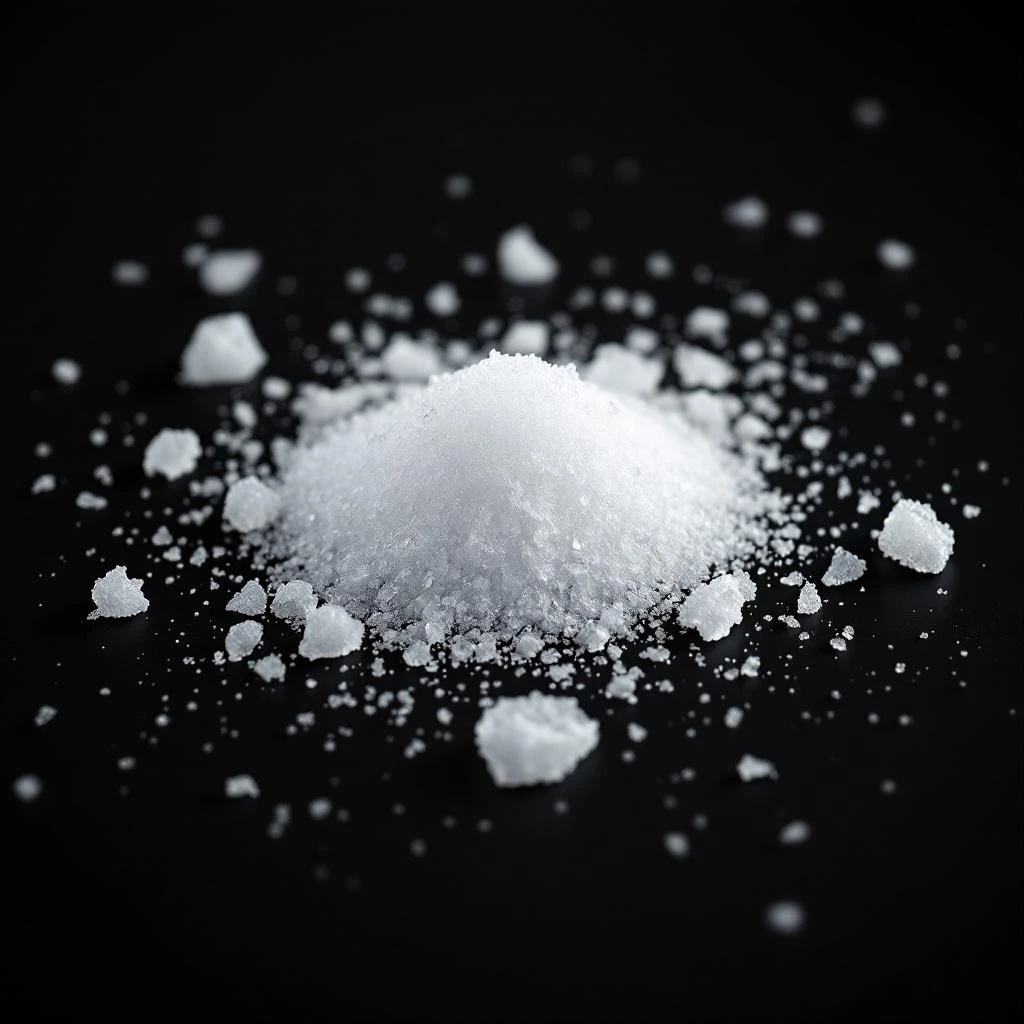
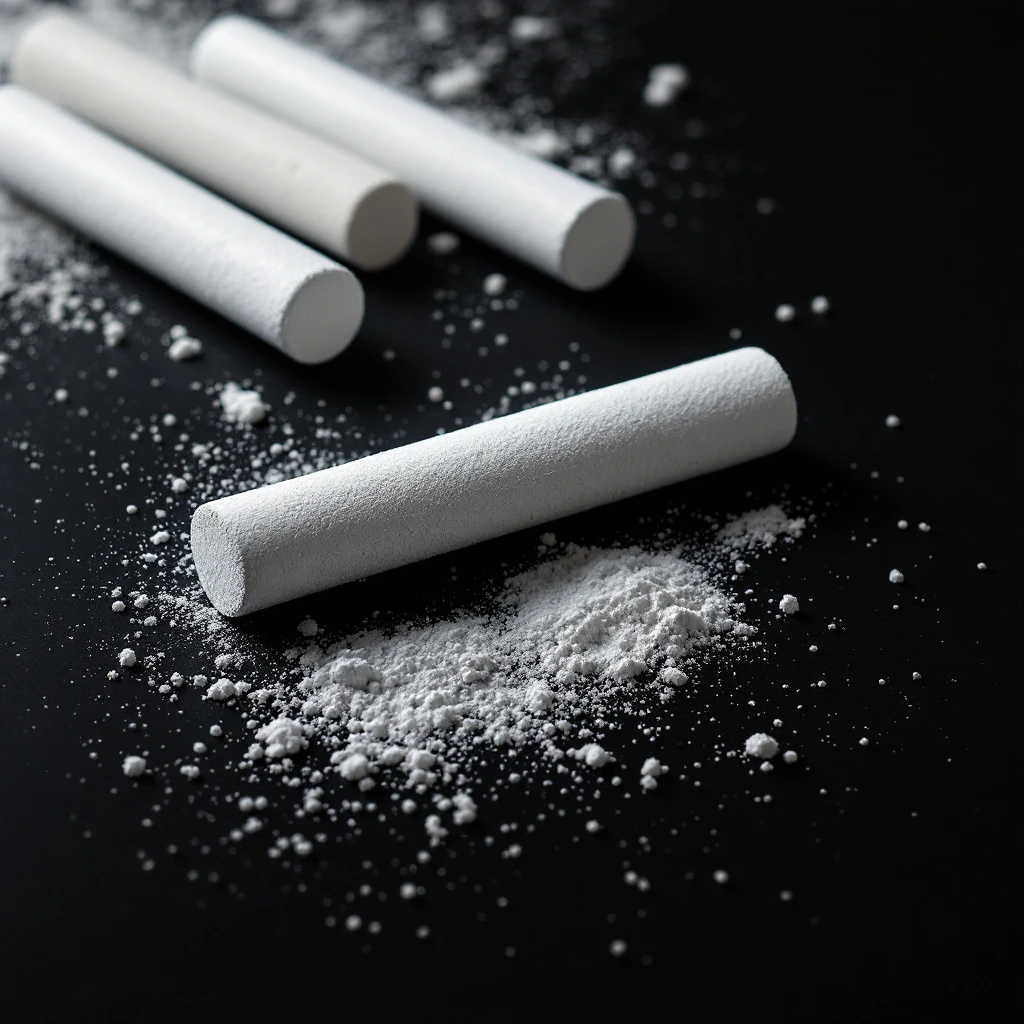
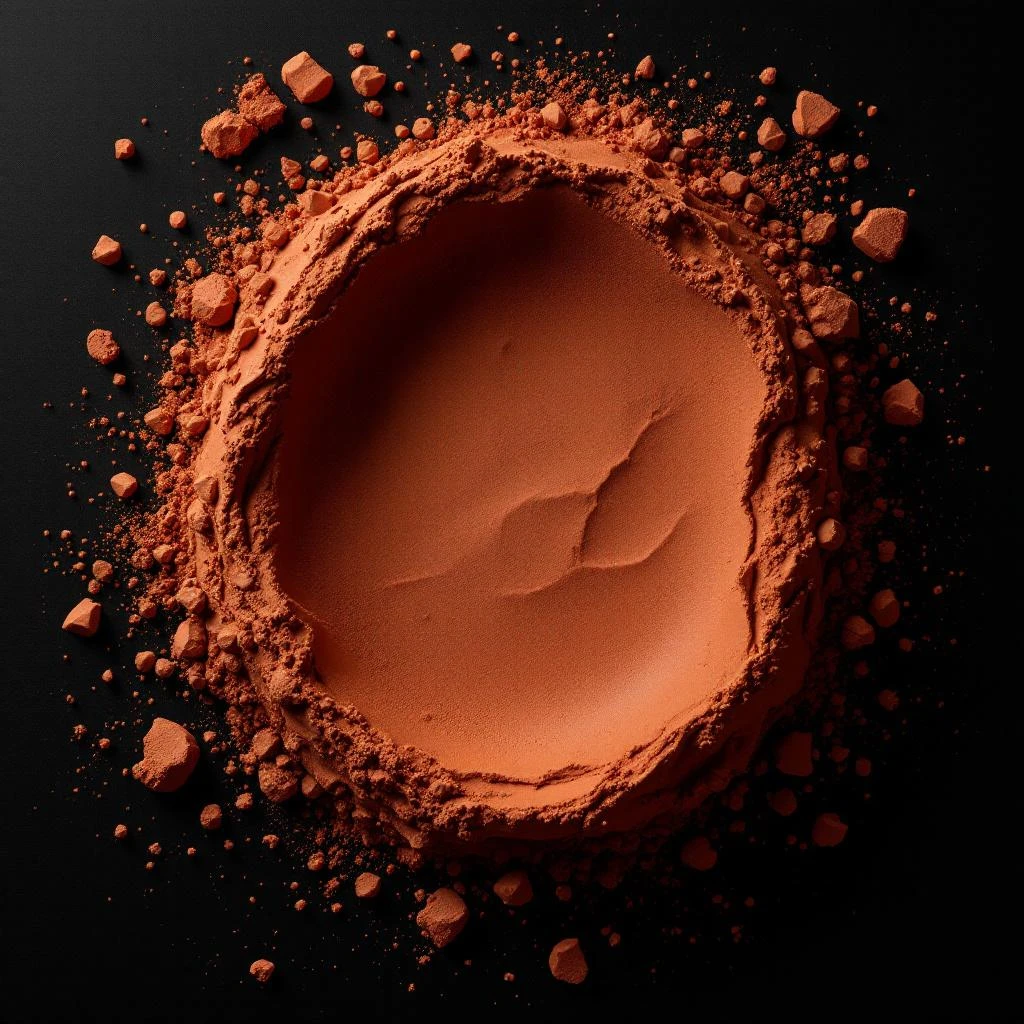
A mineral note evoking dry stone, fresh plaster, and classroom nostalgia. Chalk brings a clean, powdery stillness to compositions, grounding brighter florals with its cool, dust-like austerity.
Character
How it smells
Dust, stone, and quiet.
Real chalk is a sedimentary rock formed from ancient marine organisms compressed over millions of years, making it literally the compressed memory of prehistoric seas.


Origin
France
Chalk entered perfumery not as an extract or distillate, but as an idea. Early 20th century perfumers experimenting with aldehydes noticed that certain synthetic molecules produced an unexpectedly dry, powdery sensation reminiscent of mineral dust.
This abstraction grew bolder through the 1990s and 2000s as niche perfumers, particularly in France and Belgium, began naming accords after textures and atmospheres rather than botanical sources. The mineral trend drew inspiration from architectural movements and Japanese aesthetics, where chalk, concrete, and stone represented purity and silence.
Today, chalk appears in fragrances meant to evoke libraries, coastlines, and galleries. Its history is one of olfactory imagination rather than agricultural tradition, a reminder that perfumery extends beyond flowers and resins into the broader sensory world of matter itself.
Wears it best
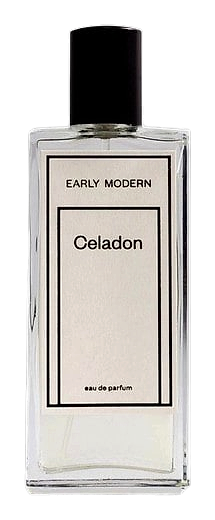
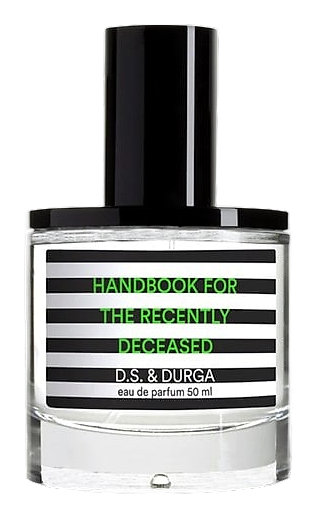
Fragrances featuring Chalk
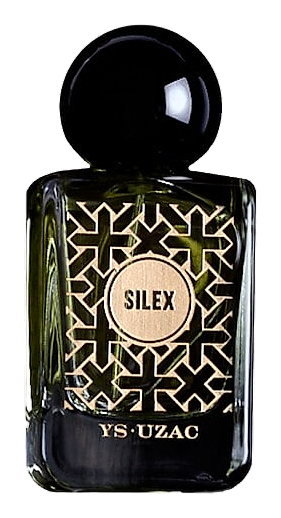
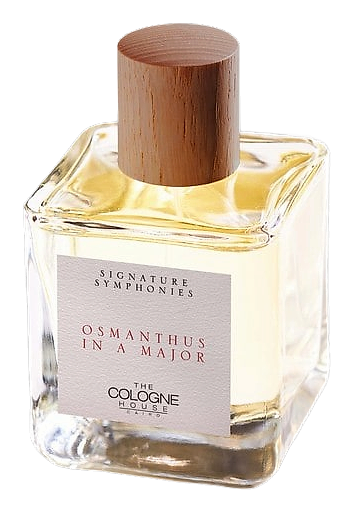



Brands
Brands known for Chalk
Good to know
Questions, answered
The essentials on Chalk in perfumery: how it smells, where it comes from, and how it behaves on skin.
What does chalk smell like in perfume?
Chalk smells dry, slightly sweet, and mineral, evoking fresh plaster, classroom blackboards, and sun-warmed limestone. It carries a powdery coolness without sharp chemical edges, contributing a sense of stillness to compositions.
Is chalk a natural or synthetic fragrance ingredient?
Chalk is recreated synthetically in perfumery using aldehydes, white musks, and powdery molecules. Natural calcium carbonate has little scent of its own, so the note is a constructed accord rather than a direct extract.
Which fragrance families use chalk notes?
Chalk appears most often in mineral, woody, and aromatic compositions, particularly in modern niche perfumery exploring textures like stone, paper, and dry air. It occasionally anchors fresh or ozonic fragrances seeking cool austerity.
When did chalk become a fragrance note?
Chalk emerged as a named note in niche perfumery during the early 2000s, though aldehyde-driven powderiness had appeared in mainstream fragrances since the early 20th century, notably in Chanel No. 5 from 1921.
What ingredients create the chalk effect?
Perfumers build chalk accords using aldehydes, white musks, ionones, and occasionally orris derivatives. These molecules together produce the dry, clean, slightly sweet sensation associated with fresh mineral surfaces.
Why do perfumers use chalk notes?
Perfumers use chalk to add cool dryness and visual texture, grounding brighter florals or sharpening citrus openings. It evokes specific atmospheres like libraries, galleries, and coastal architecture.
Is chalk safe in fragrance?
Yes, chalk accords built from approved synthetic aromatics are considered safe for cosmetic use. When actual mineral chalk is included in solid formats, it is non-toxic and inert on skin.
Can chalk be combined with floral notes?
Absolutely. Chalk pairs especially well with iris, violet, and white florals, where its powdery dryness amplifies the floral softness without overwhelming it, creating compositions of quiet elegance.