Concrete
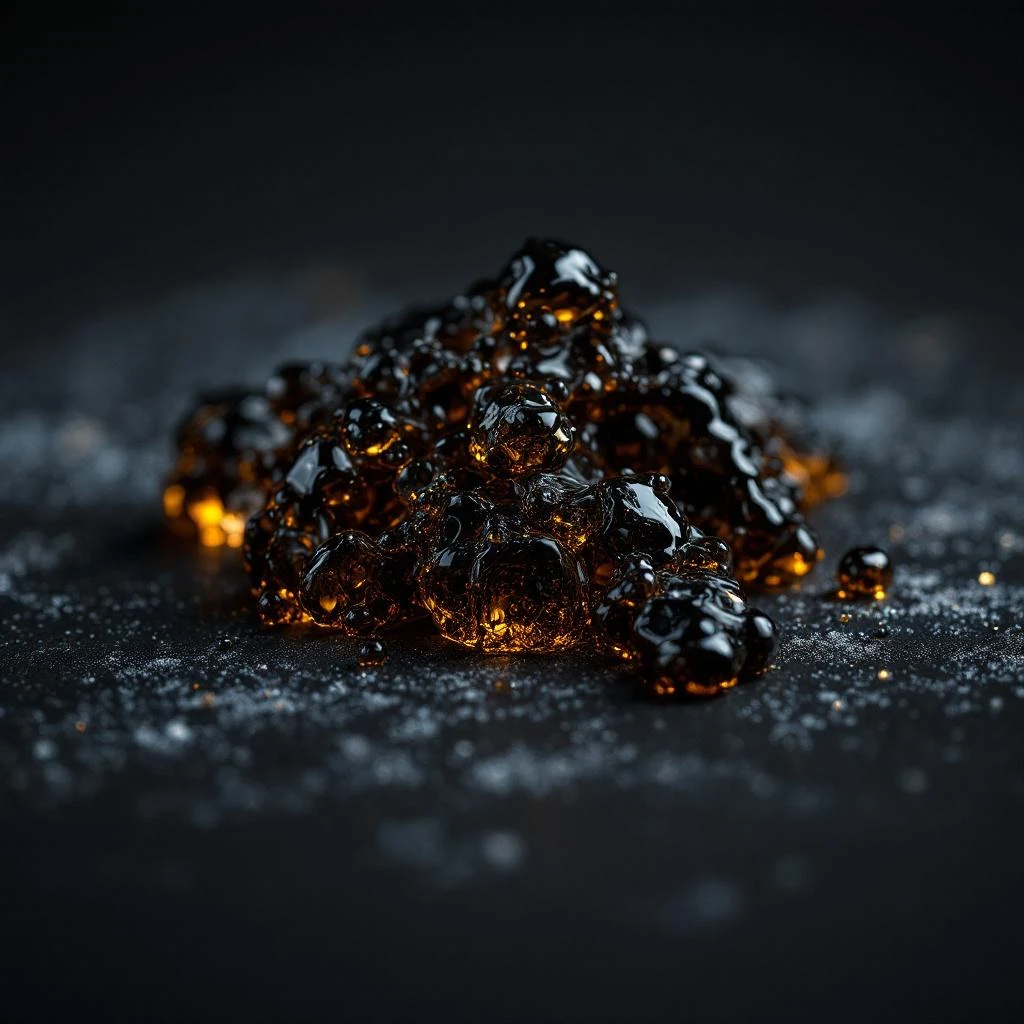
Concrete is a waxy, semi-solid aromatic concentrate produced through solvent extraction of fresh plant material. It captures the complete scent profile of botanicals, including fragile fragrance molecules and natural waxes. Concrete serves as the essential precursor for creating absolutes used in fine perfumery.
Character
How it smells
The full aromatic soul of flowers, preserved in waxy form.
Concrete contains plant waxes alongside its fragrance compounds, which is why it must be further processed into absolutes for use in alcohol-based perfumes.





Origin
France
The technique of extracting aromatic principles from plants stretches back millennia. Ancient Egyptians around 2000 BCE practiced enfleurage, infusing flowers into fats to create perfumed ointments for religious ceremonies and personal adornment. The Greeks, Romans, Persians, and Arabs later refined these methods, establishing foundations for systematic fragrance production.
Modern solvent extraction emerged during the late 19th century as organic chemistry advanced. Perfumery houses sought ways to capture the complete scent of delicate flowers that heat-based distillation damaged. The development of food-safe solvents made commercial-scale extraction practical. By the early 20th century, concrete production had become standard practice, enabling perfumers to work with jasmine, rose, and tuberose absolutes of unprecedented quality and consistency.
The emergence of concrete as a distinct intermediate product represented a refinement in fragrance chemistry. Earlier practitioners worked directly with enfleurage pomades or rudimentary extracts. The modern perfumer gains access to a versatile raw material that can be further processed into absolutes or used as-is for specific applications. This technical evolution continues to shape how natural materials are incorporated into contemporary fine fragrances.
Wears it best
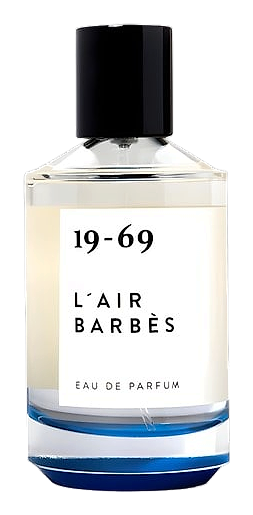
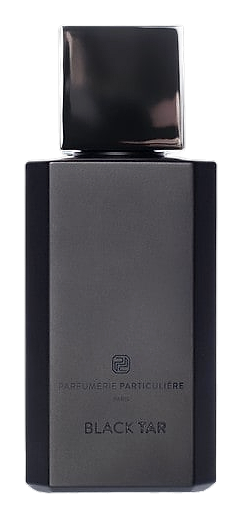
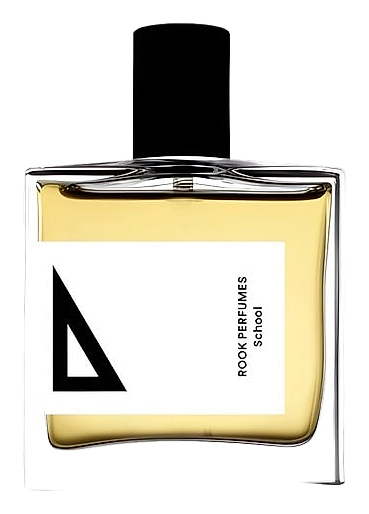
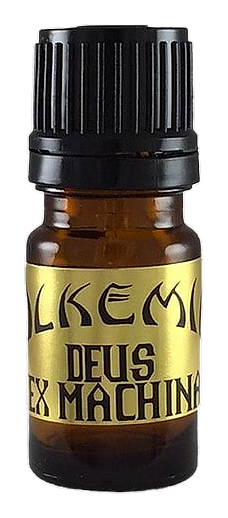
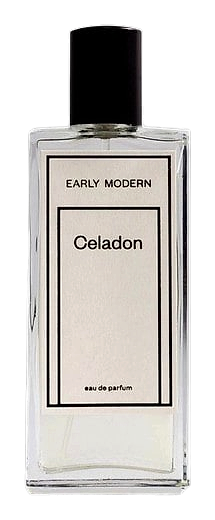
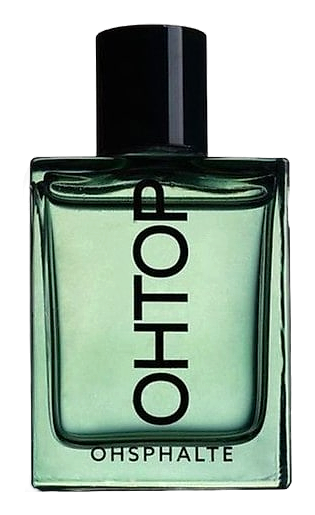
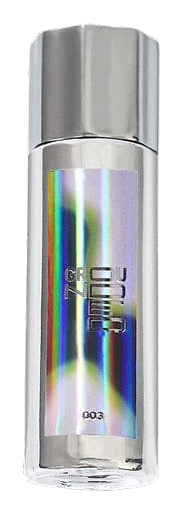
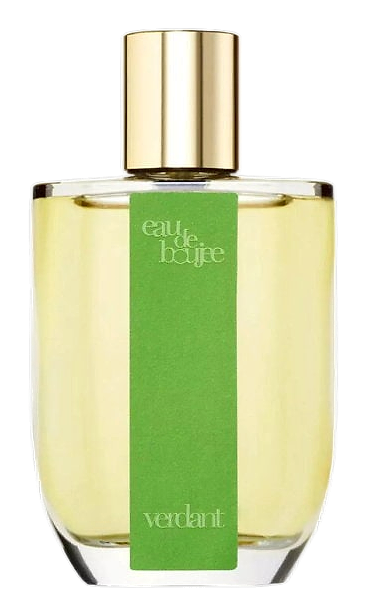
Fragrances featuring Concrete
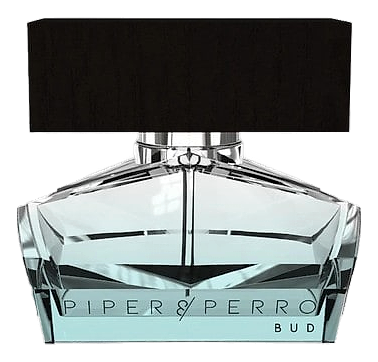
Brands
Brands known for Concrete
Good to know
Questions, answered
The essentials on Concrete in perfumery: how it smells, where it comes from, and how it behaves on skin.
What does Concrete smell like in perfume?
Concrete smells like a concentrated, true-to-nature version of its source plant, with a rich, waxy character. Jasmine concrete carries an intensely floral, slightly honeyed scent, while rose concrete offers deep, velvety petals with natural sweetness. The aroma is less refined than absolutes but captures the complete olfactory profile of the original botanical.
Why is Concrete used in perfumery?
Concrete captures the full aromatic profile of fresh plant material that other methods cannot preserve. Solvent extraction protects fragile scent molecules found in delicate flowers like jasmine and tuberose. Approximately 0.3-0.5% yield from jasmine flowers makes concrete production efficient for capturing rare botanical essences.
Is Concrete in perfume natural or synthetic?
Concrete is a completely natural ingredient derived from plant material through solvent extraction. Food-grade solvents like hexane or ethanol are used, and any residue levels in the final product meet strict safety standards for cosmetic and perfumery use. No synthetic compounds are involved in its production.
What famous perfumes contain Concrete?
Many fine fragrances from houses like Chanel, Dior, and Serge Lutens contain absolutes derived from concrete. The ingredient appears across fragrance families, though specific perfume formulations are proprietary. Jasmine and rose absolutes from concrete are particularly common in high-end floral compositions.
Is Concrete a top note, heart note, or base note?
Concrete itself is a raw intermediate product, not typically used directly in perfume compositions. The absolutes derived from concrete generally function as heart or base notes due to their concentrated nature and lasting power. Jasmine and rose absolutes often anchor the heart of a fragrance while providing depth that evolves over several hours.
What notes pair well with Concrete in perfume?
Floral absolutes from concrete blend naturally with woody notes like sandalwood and cedar, warm amber, and soft musks. They also pair well with other florals, citrus top notes, and green accords. The waxy depth of concrete-derived materials creates cohesion in complex fragrance compositions.
How is Concrete extracted?
Fresh plant material is immersed in food-grade solvent, which dissolves aromatic compounds, waxes, and pigments. After filtration, evaporation removes the solvent, leaving a waxy concrete paste. A secondary alcohol wash separates fragrant molecules from waxes, yielding absolutes for perfumery use.
Is Concrete used in men's or women's fragrances?
Concrete and its derived absolutes appear in both men's and women's fragrances without gender bias. Jasmine, rose, and tuberose absolutes from concrete are staples in countless masculine and feminine compositions. Perfumers select these materials for their aromatic qualities rather than any gender association.