The Story
Why it exists.
The beginning
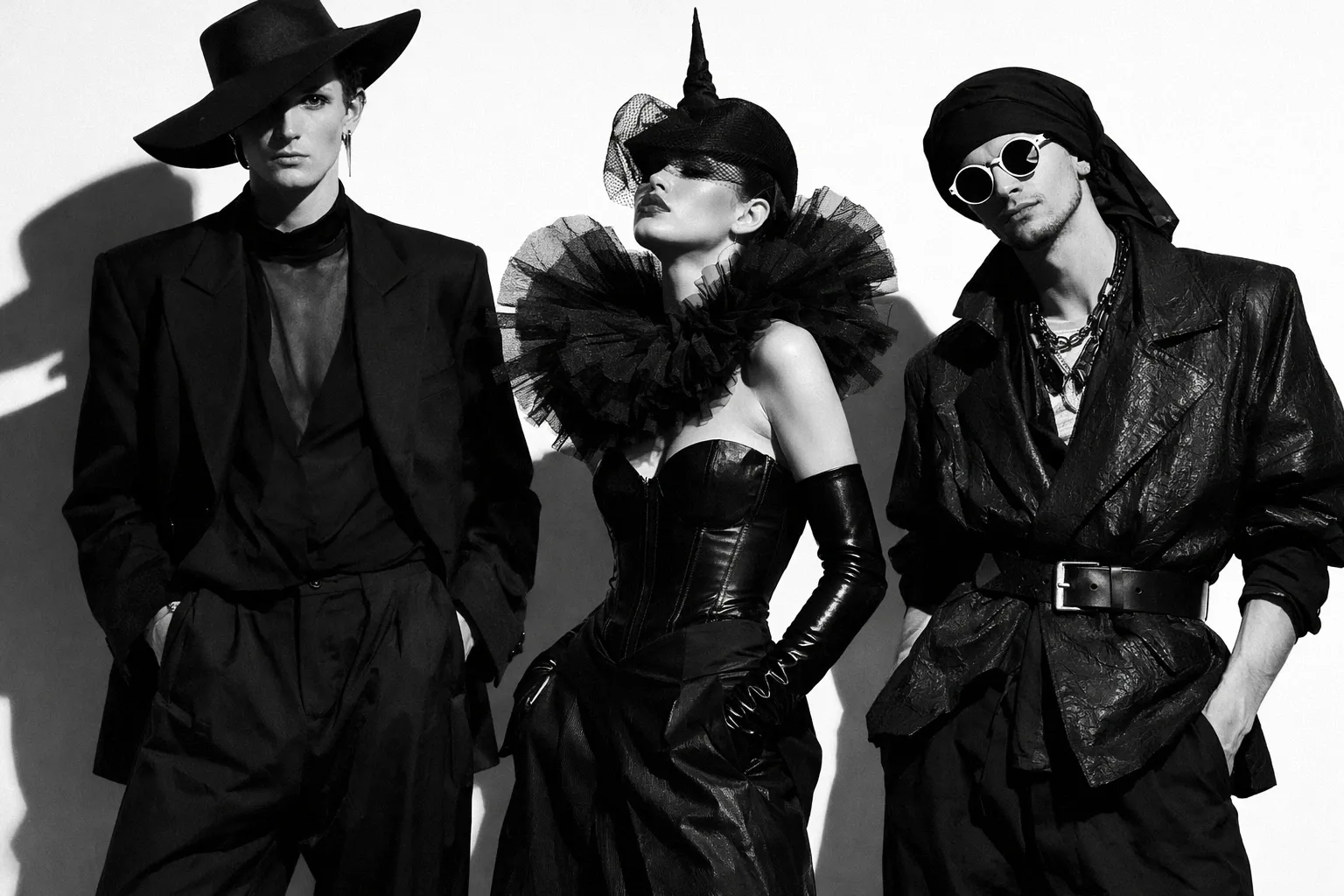
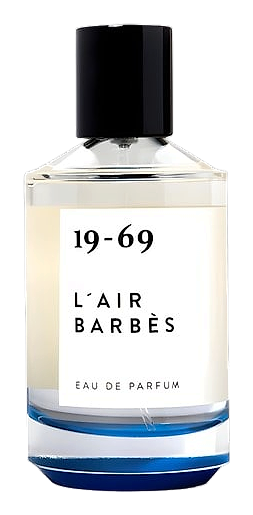
The inspiration is explicit: Helmut Newton's photograph of Le Smoking, the genderless iconography. That's the DNA here, androgyny as aesthetic principle, not statement. The name Barbès-Rochechouart anchors it to a specific Paris neighborhood, that intersection of the 9th and 18th, where the city shows its different faces. Bergelin wanted to translate that tension into scent, the cold clarity of the opening against the warm animality of the heart.
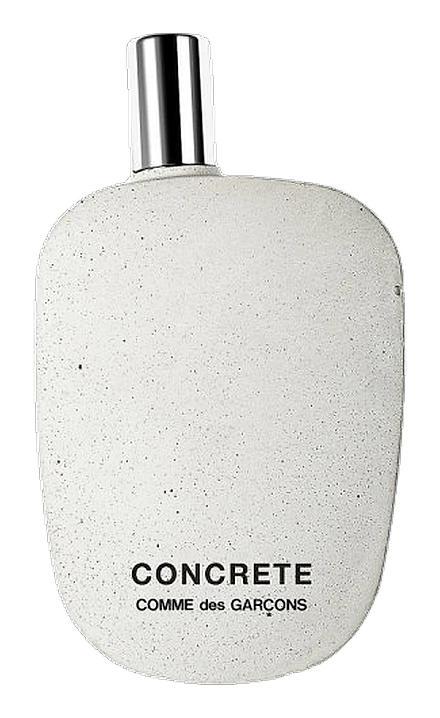
The Concrete note is unusual here, it's not metaphorical. Ylang-ylang absolute filtered through a specific process, heavier and more grounded than the essential oil. That gives the heart a density, a weight that keeps the florals from being precious. The ink note in the base reinforces this, it's not atmospheric ink, it's the mineral tang of printing ink, industrial and precise. This is a fragrance that knows where it comes from.
The evolution
The opening fizz lasts about 30 minutes, aldehydes and citrus doing that cold, effervescent thing. Then the hand-off: ylang-ylang and tuberose arrive warm, almost heavy. The cumin adds an accent, makes the florals slightly exotic. Around the 2-hour mark, the drydown settles. Cumin and ambroxan outlast everything. Leather and woody notes provide structure. Iris and white musk keep it intimate, close. The ink note lingers like an afterthought. By the end, it's worn and personal, the trace of ink and warmth on skin that no one else can smell.
Cultural impact
The fragrance has earned mentions in niche perfume round-ups. Wearable storytelling for the art-house collector, limited editions for those who read the journey card before the notes. Not mass-market. The mineral-floral-leather character and androgynous inspiration position it as a considered choice for collectors who value narrative as much as aroma.