The Story
Why it exists.
The beginning
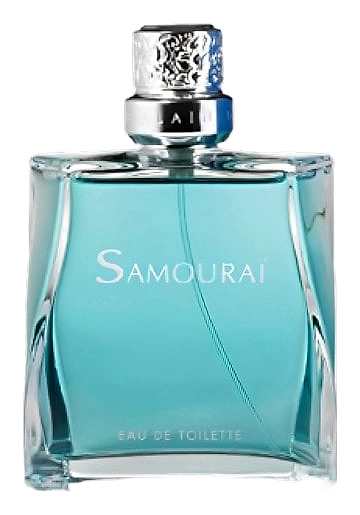
The name says everything: samouraï, the Japanese warrior bound by code and ritual. Released in 1995, when men's fragrance meant power and projection and never, ever softness. Samouraï, the brand and the scent, made a different argument. Discipline doesn't mean the absence of feeling. A warrior can have flowers in his quarters and still know how to draw steel.
What makes this composition unusual isn't the cedar or the vetiver, plenty of 90s masculines have that. It's the jasmine and rose sitting in the heart, fully present, refusing to hide behind the wood. The pink pepper opening is a modern touch, sharp and slightly metallic, which makes the floral heart even more unexpected. It's a structure built on contrast: aromatic discretion meeting white floral boldness, the whole thing held in place by sandalwood's quiet warmth.
The evolution
The opening hits clean, pink pepper sparking against cedar, a crispness that reads as both confident and slightly cold. Then, within twenty minutes, the jasmine rises. Not a whisper. A presence. Rose follows, adding a powdery softness that tempers the cedar's edge. By the second hour, you're in the heart: warm, floral, and more complex than a 90s masculine has any right to be. The drydown is where sandalwood and vetiver take over, smooth and woody, the florals fading into a soft warmth that lingers close to the skin. Four to six hours of something that started sharp and ended tender, a complete arc that earns every minute.
Cultural impact
A 90s masculine that refused to play it safe. The jasmine heart was a statement, that men could smell like more than cedar and vetiver, that complexity wasn't femininity. Worn by those who got it and confused the rest. Vintage bottles can still be found for those willing to hunt for the right nose.