The Story
Why it exists.
The beginning
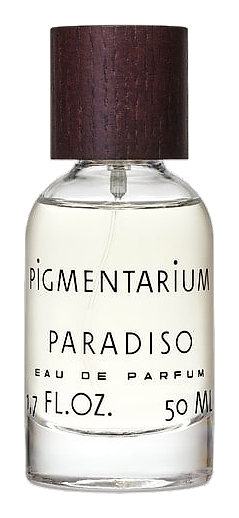
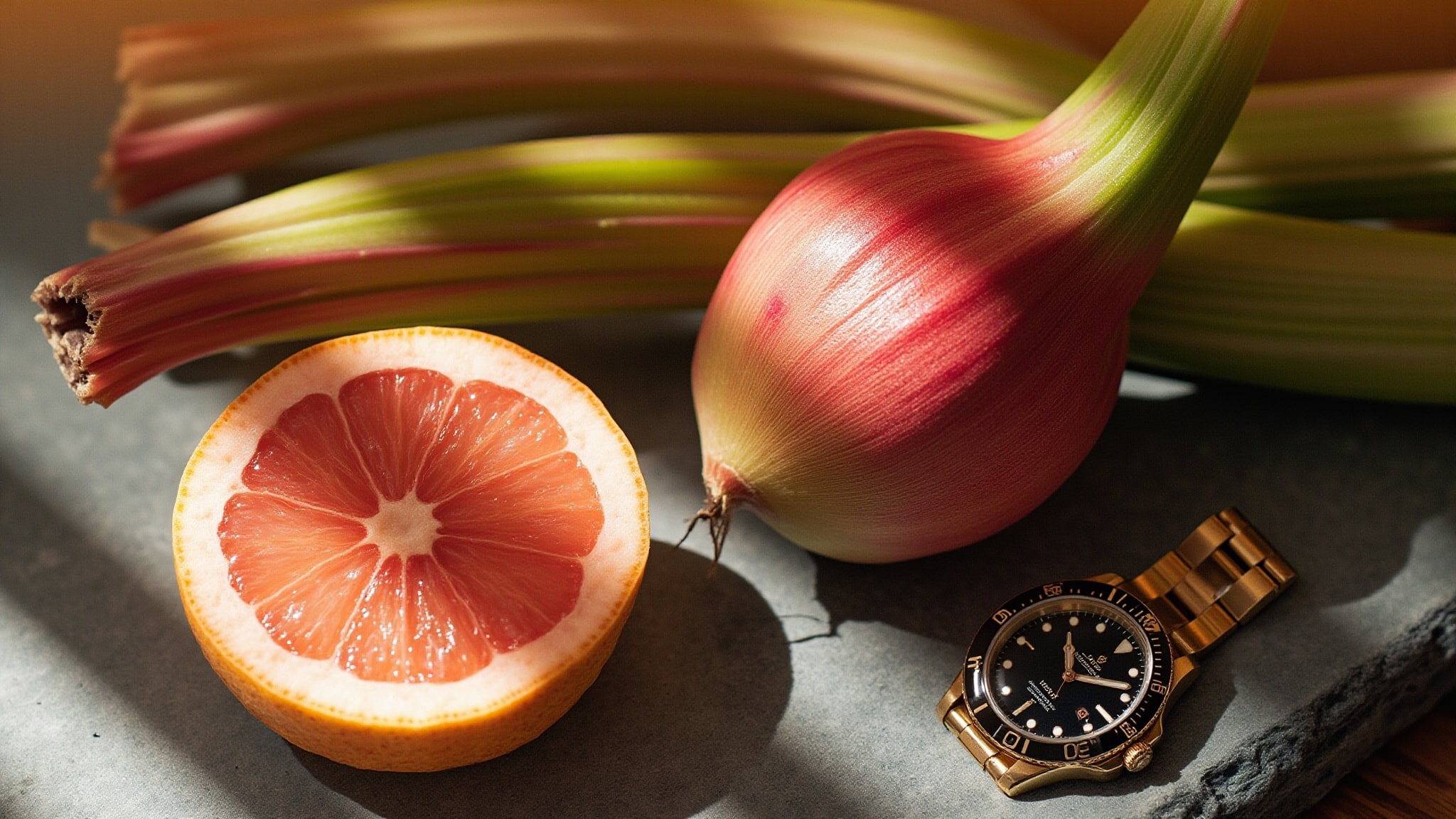
Jakub F. Hiermann designed Paradiso around a single question: what does happiness smell like? Not abstract happiness, the specific kind. The moment the sun hits your face after being inside all day. The grapefruit and mandarin were chosen to open fast and feel exactly like that: bright, immediate, a little bit loud. The rhubarb was the wild card, something sour to keep it honest. No syrupy sweetness, no safe landing. The pepper and juniper came next, because a fragrance that only cheers you up isn't interesting enough to wear twice.
What makes Paradiso unusual is the rhubarb. In perfumery, it usually appears as a watery note, something fleeting, almost accidental. Here it's treated like a main character: sour, almost medicinal in its sharpness, demanding attention for the first twenty minutes before ceding the stage to the juniper. The juniper itself is unusual in a citrus-forward composition, it typically appears in gin or aromatic fougère structures. Its presence here shifts the fragrance from bright-and-done into something with more complexity, a subtle herbal backbone that stops the whole thing from reading like a room spray. The ambergris in the base is where the magic quietly happens.
The evolution
The opening arrives in seconds: grapefruit and tangerine filling the space around you, bright and unapologetic. The rhubarb doesn't compete, it walks alongside, adding a green tartness that keeps the citrus from feeling like a cleaning product. Ten minutes in, the pepper appears. Not as a warmth, as a spark. The juniper settles underneath, giving the whole thing an aromatic lift. This is the fragrance's most interesting phase: still bright, but no longer simple. By the third hour, the top notes begin to recede and the base takes over. The ambergris arrives last, slow and warm, like the memory of salt air. Vetiver and patchouli anchor everything into something earthier, woodier, but still close, the sillage moderates and what remains is skin-warm and intimate. On most people, this holds for six to eight hours. The drydown on fabric is gentler, longer, the patchouli especially tends to linger on clothing overnight, which is either a feature or a complaint depending on how much you liked the first spray.
Cultural impact
Since its 2020 debut, Paradiso has become the entry point for most people discovering Pigmentarium, the fragrance that shows up in editorial mentions alongside the brand's more provocative releases. It occupies a specific space: bright enough to wear casually, complex enough to discuss seriously. The grapefruit-rhubarb pairing has become something of a signature for the house, appearing in variations across subsequent releases. Wearers describe it as the scent of someone who wants to feel good without trying too hard, not performative, not quiet, just present and awake.