    Brand Profile

    Pigmentarium is an independent perfume house based in Prague. Founded in 2018 by the creative duo Tomáš Ric and Jakub Hiermann, the brand tr…More

    Czech Republic·Est. 2018·Site

    3.9

    Rating

    13
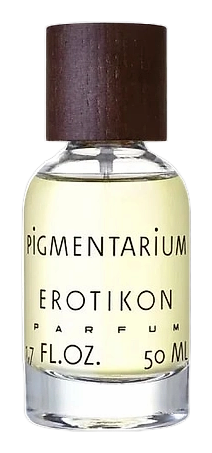
    Erotikon by Pigmentarium
    3.9

    Erotikon

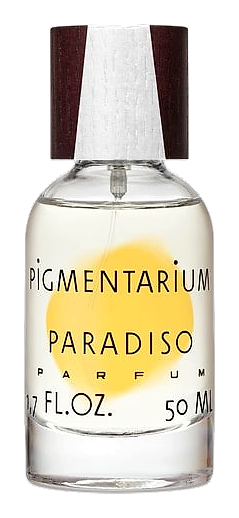
    Paradiso 2025 by Pigmentarium
    NewBest Seller
    4.7

    Paradiso 2025

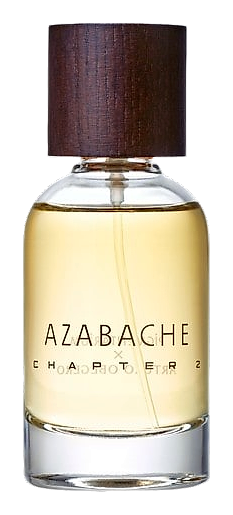
    Azabache Chapter 2 by Pigmentarium
    Best Seller
    4.4

    Azabache Chapter 2

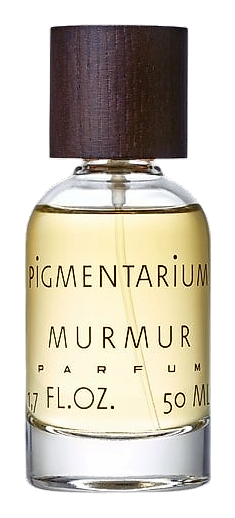
    Murmur by Pigmentarium
    Best Seller
    4.3

    Murmur

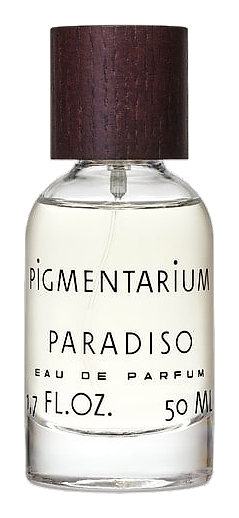
    Paradiso by Pigmentarium
    4.2

    Paradiso

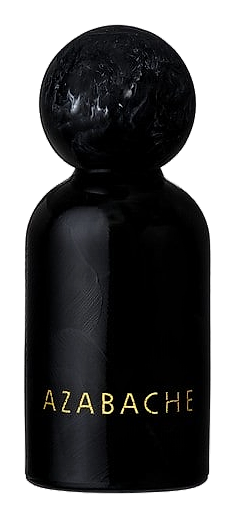
    Azabache by Pigmentarium
    4.1

    Azabache

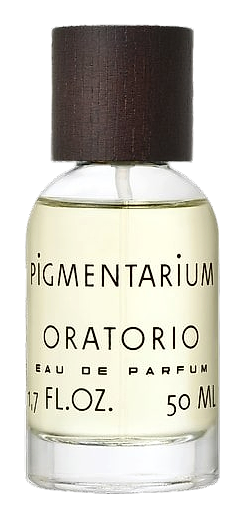
    Oratorio by Pigmentarium
    4.1

    Oratorio

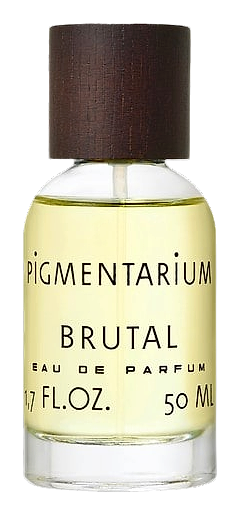
    Brutal by Pigmentarium
    New
    4.0

    Brutal

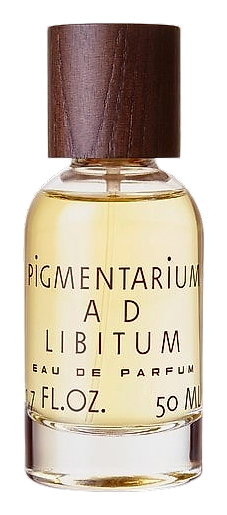
    Ad Libitum by Pigmentarium
    4.0

    Ad Libitum

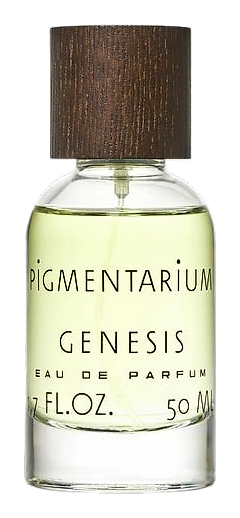
    Genesis by Pigmentarium
    3.9

    Genesis

    Erotikon Laundry Perfume by Pigmentarium
    New
    2.5

    Erotikon Laundry Perfume

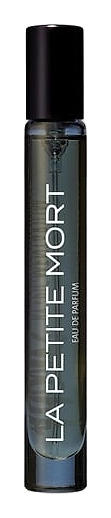
    La Petite Mort by Pigmentarium
    New
    1.3

    La Petite Mort

    1 of 2

    The Heritage

    The Story of Pigmentarium

    Pigmentarium is an independent perfume house based in Prague. Founded in 2018 by the creative duo Tomáš Ric and Jakub Hiermann, the brand treats scent as a visual medium, pairing each fragrance with a distinct colour. Its catalogue ranges from the debut AD LIBITUM (2018) to the recent Paradiso 2025, each launch reflecting a dialogue between Czech art, architecture and contemporary olfactory practice. Pigmentarium distributes through a curated network of boutiques and has earned editorial mentions in Elle, Vogue and Hypebeast.

    Heritage

    The story of Pigmentarium begins in the spring of 2018, when Tomáš Ric, then 24, partnered with visual artist Jakub Hiermann to create a perfume house that would echo the historic Czech pigment shops – places where colour and scented ointments were sold side by side. Their first fragrance, AD LIBITUM, arrived later that year and was praised for its bright citrus opening that recalled the light of a Prague summer morning. In 2020 the house released Paradiso, a scent that combined marine notes with a luminous amber, marking the brand’s first major international distribution. 2021 saw the arrival of Azabache, a darker, mineral‑rich composition that introduced a new “black” colour code to the line‑up. The following year, Oratorio (2023) expanded the narrative to include sacred music motifs, while Genesis (2022) explored botanical purity with a focus on sustainably sourced absolutes. 2025 proved prolific: Paradiso 2025 refined the original formula for a warmer climate, and Brutal offered an aggressive, smoky contrast that highlighted the house’s willingness to experiment. Throughout its first seven years, Pigmentarium grew from a single studio in Prague to a presence in roughly one hundred points of sale worldwide, a trajectory documented in editorial features across Elle, GQ and L’Officiel. The brand’s milestones include collaborations with Czech visual artists for limited‑edition bottle designs and participation in niche fragrance fairs in Paris and Berlin, where it consistently attracted collectors seeking colour‑driven olfactory stories.

    Craftsmanship

    Every Pigmentarium fragrance is assembled in a modest laboratory on the outskirts of Prague. The team follows a hand‑blending protocol: raw materials arrive in small batches, are weighed on precision scales and then introduced to a stainless‑steel mixing vessel under controlled temperature. Natural absolutes, such as Bulgarian rose and French lavender, are sourced from certified farms that practice low‑impact agriculture; synthetic aromachemicals are employed only when they replicate a note that cannot be obtained sustainably. After maceration, the blend rests for several weeks in dark glass containers, allowing the layers to integrate fully. Quality control includes gas‑chromatography analysis to verify concentration levels and a sensory panel that evaluates each batch against the original scent brief. Bottles are hand‑filled in a cleanroom environment, sealed with aluminium caps, and then wrapped in a colour‑coded sleeve that matches the fragrance’s visual identity. The house does not test on animals and adheres to EU cosmetic regulations, ensuring each product meets both safety and artistic standards.

    Design Language

    Pigmentarium’s visual identity mirrors its colour‑centric concept. The logo features a simple sans‑serif wordmark in black, often set against a solid background that matches the fragrance’s hue. Bottle shapes are minimalist, with clean lines and a slightly tapered silhouette that feels both modern and timeless. Glass is clear, allowing the colour‑coded sleeve to become the focal point; the sleeves themselves are printed on matte paper with a subtle texture that evokes the surface of a pigment tablet. Typography across marketing materials stays consistent, using a modest font size and generous white space to let the colour and scent narrative breathe. Limited‑edition releases showcase collaborations with Czech painters, whose artwork appears on the sleeve and sometimes on a detachable label, turning each bottle into a collectible piece of visual art. The overall aesthetic balances understated elegance with a playful nod to the house’s origins in pigment shops, creating a cohesive brand image that feels both artisanal and contemporary.

    Philosophy

    Pigmentarium views fragrance as a language of colour. The founders translate visual concepts into scent, assigning each perfume a hue that guides both packaging and marketing. Their creative process starts with a colour palette drawn from Czech modernist art, then moves to a scent board where notes are layered to echo the chosen shade. The house emphasizes authenticity, favouring natural extracts and transparent ingredient lists over synthetic shortcuts. Collaboration sits at the core of the philosophy; painters, architects and musicians are invited to contribute ideas, ensuring each release feels like a multidisciplinary artwork. Sustainability informs decisions, from sourcing organic lavender in the Czech countryside to using recyclable glass for bottles. Rather than chasing trends, Pigmentarium seeks to capture moments – a sunrise over the Vltava, the texture of a marble façade, the scent of a historic library – and render them as fragrant colour stories that invite the wearer to imagine beyond the nose.

    Key Milestones

    2018

    Founding of Pigmentarium in Prague by Tomáš Ric and Jakub Hiermann; launch of debut fragrance AD LIBITUM.

    2020

    Release of Paradiso, the first fragrance to achieve broad international distribution.

    2021

    Azabache debuts, introducing a new “black” colour code and expanding the house’s darker scent palette.

    2022

    Genesis launches, emphasizing sustainably sourced botanical ingredients and a minimalist bottle design.

    2023

    Oratorio arrives, inspired by sacred music and featuring a limited‑edition artist‑designed sleeve.

    2025

    Two releases – Paradiso 2025, a refined summer version, and Brutal, a smoky, experimental composition.

    At a Glance

    Brand profile snapshot

    Origin

    Czech Republic

    Founded

    2018

    Heritage

    8

    Years active

    Collection

    1

    Fragrances released

    Avg Rating

    3.9

    Community sentiment

    Release Rhythm

    2026
    1
    2025
    4
    2024
    1
    2023
    1
    2022
    1
    2021
    1
    2020
    1
    2019
    2
    pigmentarium.com

    Did You Know?

    Interesting Facts

    Distinctive details and defining moments that shape the house personality.

    01

    The name Pigmentarium references historic Central European shops where pigments and scented ointments were sold together.

    02

    Founder Tomáš Ric started the perfume house at age 24, making him one of the youngest independent noses in the Czech niche market.

    03

    Each fragrance is paired with a specific colour code that appears on the packaging, allowing collectors to identify scents by hue alone.

    04

    The brand’s first bottle, AD LIBITUM, was hand‑blown in a small Czech glass workshop that also supplies laboratory equipment.

    The Artisans

    The Perfumers