The Story
Why it exists.
The beginning
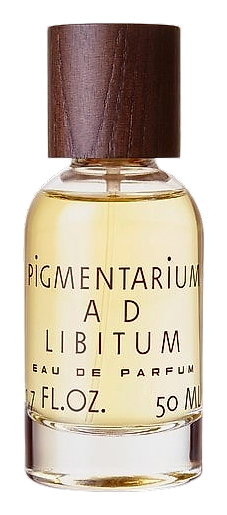
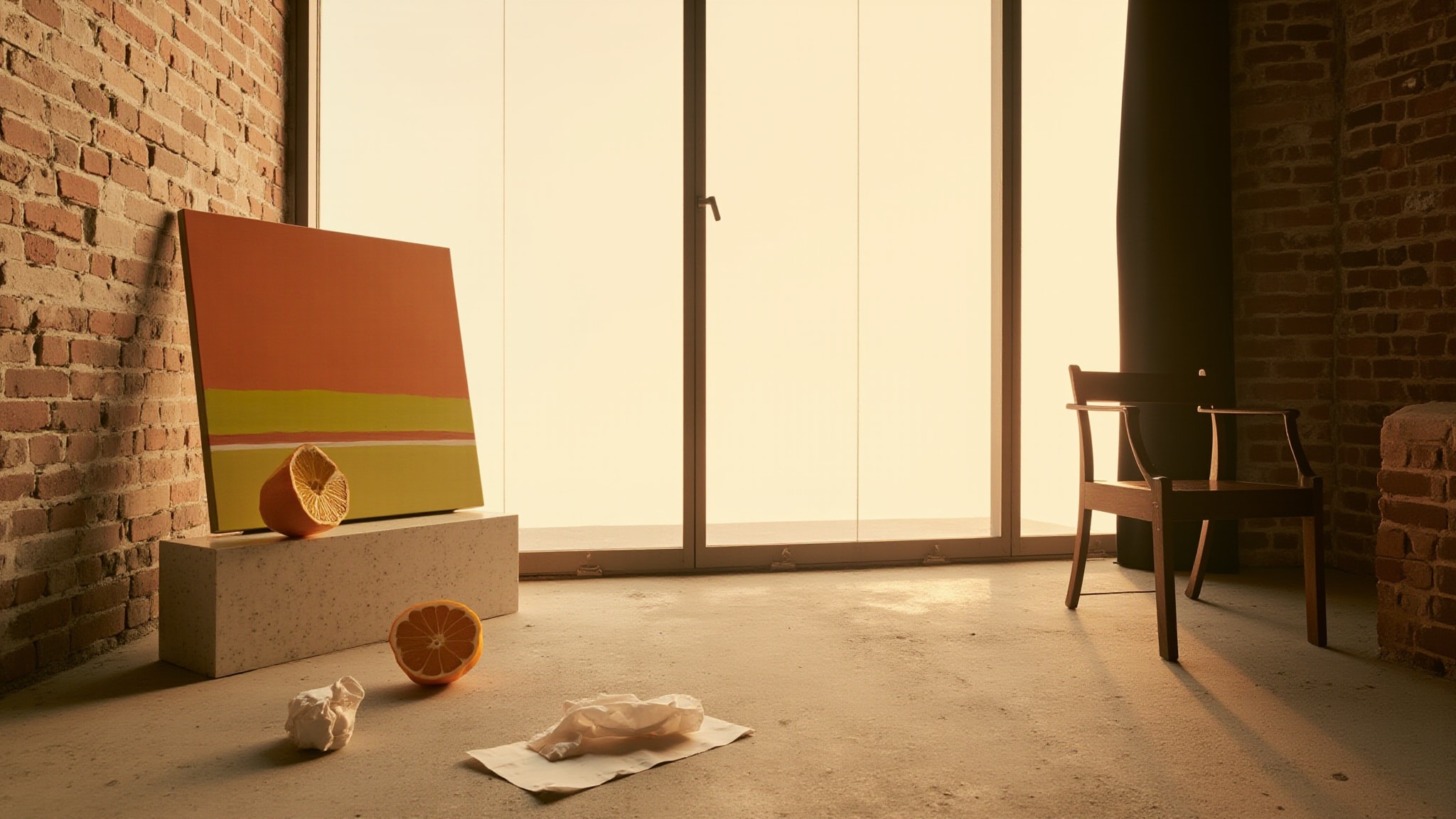
The glow of sunset over Prague Castle inspired Ad Libitum: the fading light of an energetic day, the anticipation of what nightlife might bring. There's a duality here, brightness that doesn't apologize for what comes next, depth that earns its place. The name itself is a musical term meaning 'at one's pleasure,' and that sense of deliberate freedom runs through the whole thing. It announced a brand that wouldn't be siloed into one interpretation of what fragrance could be, a house intent on proving that scent can hold its own alongside painting and sculpture as a medium worth taking seriously.
What makes Ad Libitum's architecture interesting is the aldehydic thread that runs through every phase. They persist, lifting the citrus, threading through the florals, and reappearing in the drydown to keep the oakmoss from going too dark. The aldehydes give the composition its particular quality of light, an effect that feels both luminous and controlled. The result is a chypre that feels coherent from first spray to final hour rather than a sequence of disconnected impressions.
The evolution
The opening is citrus first, bergamot and citron arrive sharp and slightly bitter, with tangerine adding a juicier counterpoint. The aldehydes lift immediately, giving the whole thing an effervescent quality that reads almost sparkling. As the top notes settle, the florals arrive, not with a bang but as a gradual arrival, like they were always there waiting to take their place. The neroli and jasmine don't overpower, they settle in beside the citrus, adding a creamy floral dimension that keeps the composition from feeling too sharp. Cedar provides a woody frame that keeps everything upright, a structural element that prevents the fragrance from losing its shape as it evolves. The base takes over gradually, oakmoss dominates, patchouli adds its earthy depth, and musk keeps it close to the skin.
Cultural impact
Ad Libitum enters the world as a classic chypre, citrus, white florals, oakmoss, patchouli. The aldehydic quality gives it a particular elegance that reads contemporary despite its classical structure. The composition balances the traditional elements of the chypre family with something that feels distinctly of the moment, a fragrance that honors its roots while refusing to feel dated. For those who appreciate the art of perfumery, Ad Libitum offers a study in how classical materials can be combined to create something that speaks to modern sensibilities without dismissing the tradition it grows from.