
The Story
Why it exists.
The beginning
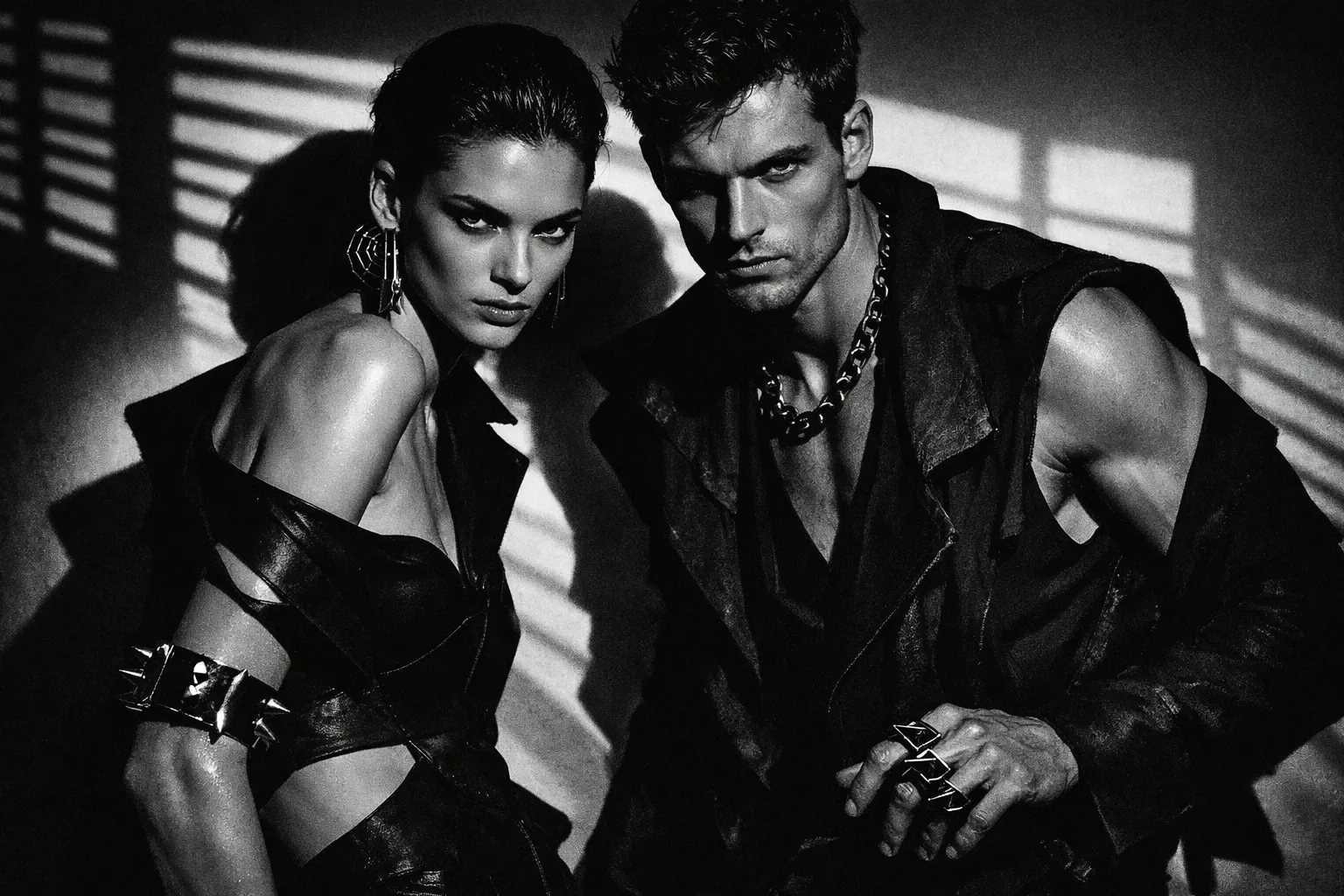
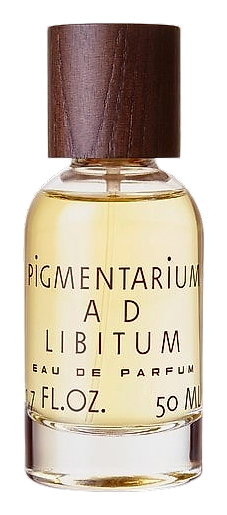
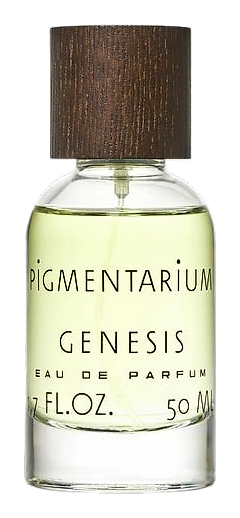
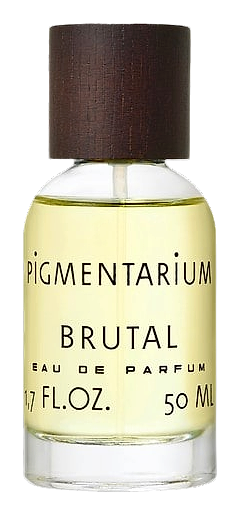
Pigmentarium named this fragrance for the decade that refused to whisper. The brief, according to the brand, was visual: an era of bold angles, graphic excess, and new technologies that amplified everything, colour, sound, ambition. Perfumer Théo Belmas took that cultural energy and asked what it would smell like. Not nostalgia. Not pastiche. The actual emotional weight of that moment, translated into liquid. The answer begins with a Negroni, a cocktail that is itself a collision of bitter and sweet, restraint and indulgence, because that's the tension Brutal was built to hold.
The Negroni accord is the rarest thing in the pyramid. Not a note you stumble across. It's a constructed smell: the quinine bitterness of Campari, the herbal sweep of gin, the sweetness of vermouth compressed into a single, coherent impression. That choice tells you something about what Belmas wanted to do here, skip the obvious and arrive somewhere more interesting. The coffee that follows isn't a separate element. It's what happens after the first sip: bitter, roasted, grounding. Together with orange blossom, these opening materials create the paradox of Brutal, intimate enough for a morning ritual, assertive enough to fill a room.
The evolution
The Negroni opens. Bitter. Immediate. No warming period, no polite preamble, it arrives and commits. Coffee follows within minutes, dark and roasted, pressing the sweetness down before orange blossom floats through like a brief flare of light. Then the florals take over. May rose and ylang-ylang arrive quietly, but tuberose doesn't announce itself, it overwhelms. Creamy, indolic, almost excessive in its presence. The base arrives around the two-hour mark: Bourbon tobacco's honeyed warmth, amber's resin, sandalwood's soft wood. On fabric, this stage can last half a day. On skin, it leaves a warmth that reminds you something was there, the ghost of the opening, now sweet and close.
Cultural impact
Brutal arrives at a moment when niche fragrance culture is grappling with its own identity. While mainstream perfume pivoted toward genderless transparency and whisper-quiet sillage, Pigmentarium made a different bet. The name alone is a provocation, an embrace of raw power in an era that often mistakes subtlety for sophistication. It speaks to a growing counter-movement of enthusiasts who want their fragrance to announce arrival, to command space, to be unapologetically present. Brutal rejects the idea that modern masculinity must be soft or inoffensive. Instead, it offers boldness as a feature, not a flaw.