Cocktail
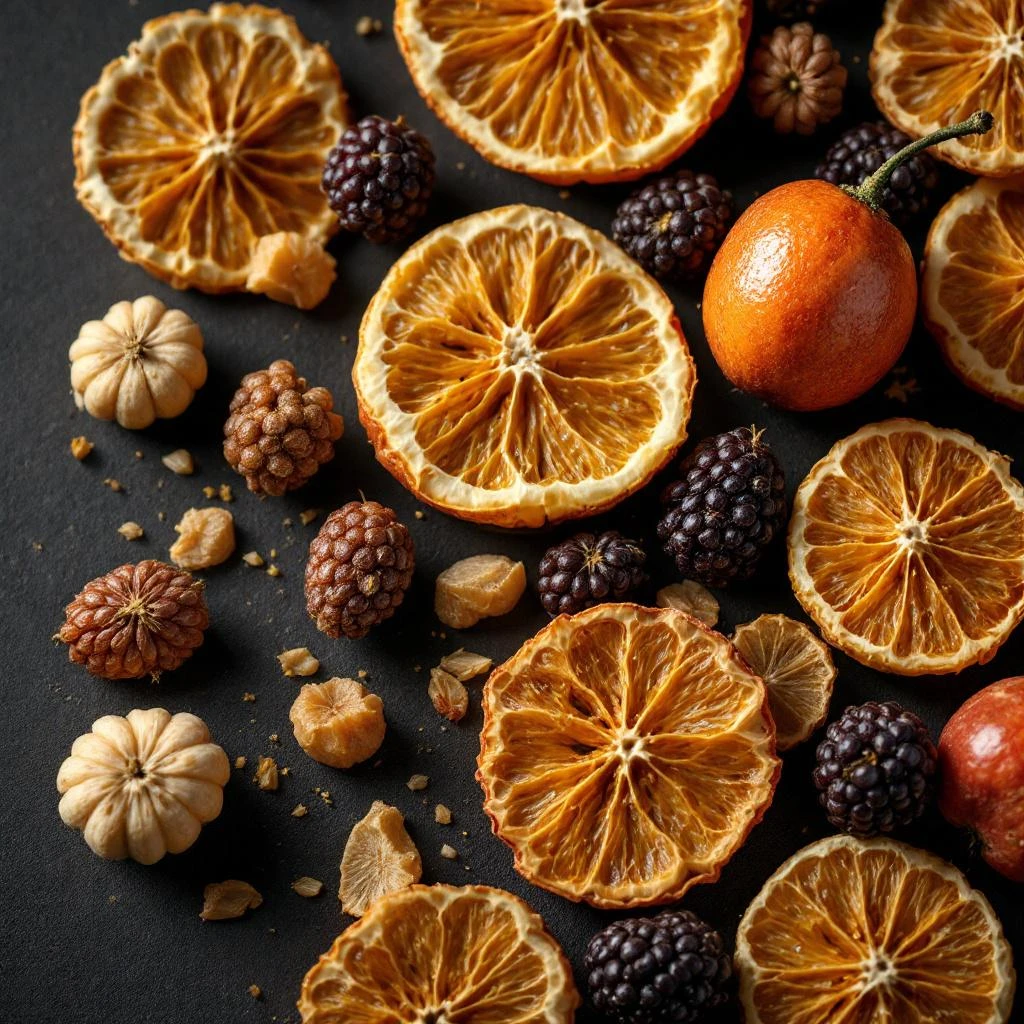
Cocktail notes in perfumery capture the spirit of mixed drinks through aromatic accords blending alcohol-inspired warmth, fresh citrus, ripe fruit, and effervescent sparkle.
Character
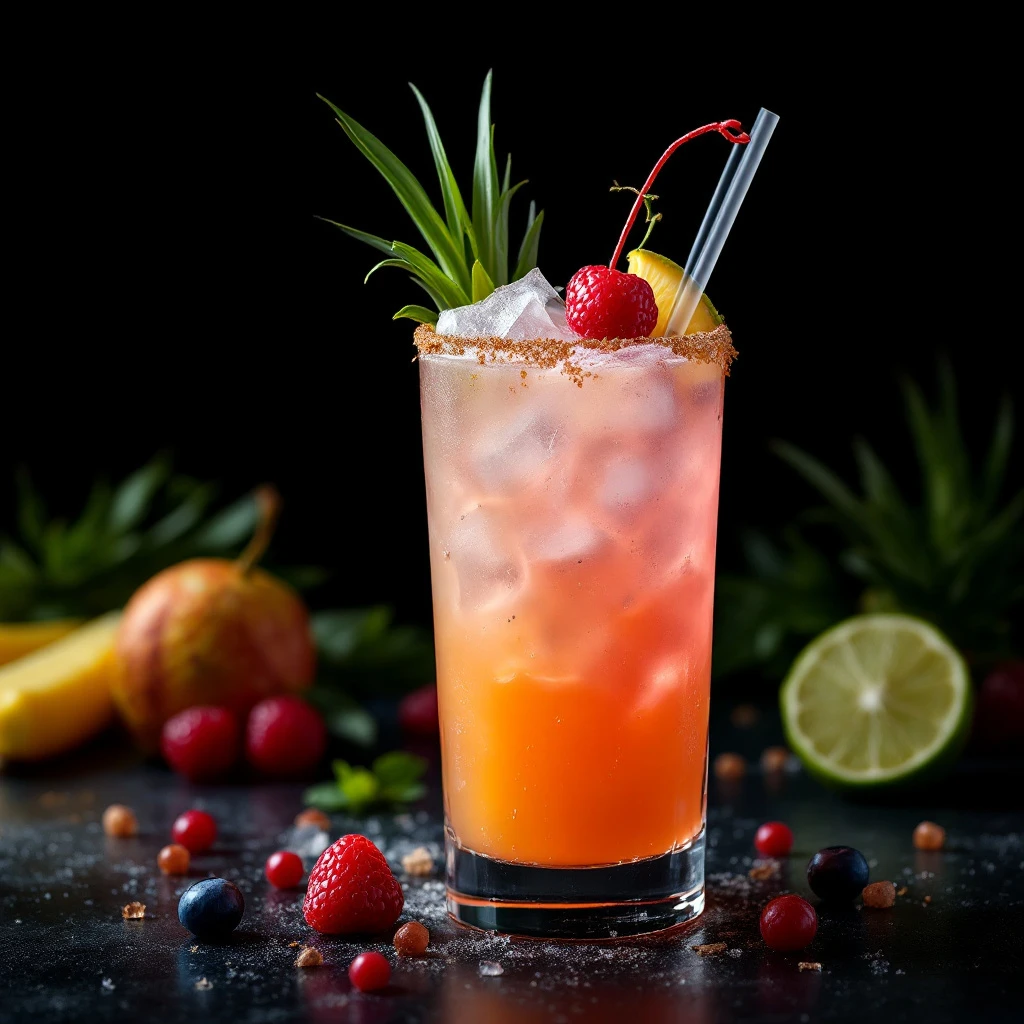
How it smells
The art of mixing meets the art of scent.
The cocktail glass symbol in perfumery indicates a fragrance inspired by mixed drinks, from gin fizzes to champagne toasts.



Origin
France
The cocktail glass in perfumery signals a fragrance inspired by mixed drinks. During the late 20th century, perfumers began creating scents that captured the experience of cocktails. The trend accelerated as contemporary perfumery embraced food and beverage-inspired themes.
Gin and vodka served as early inspirations, followed by more complex compositions evoking wine, champagne, and tropical drinks. Today, cocktail-inspired fragrances represent a recognized category within the industry, with the cocktail glass symbol becoming a standard indicator for this thematic family.
Wears it best
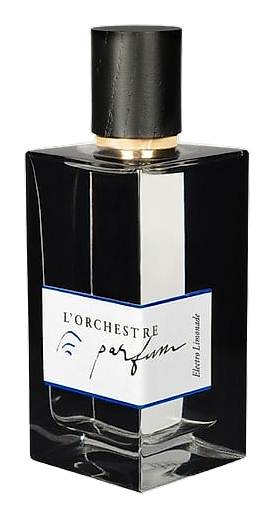
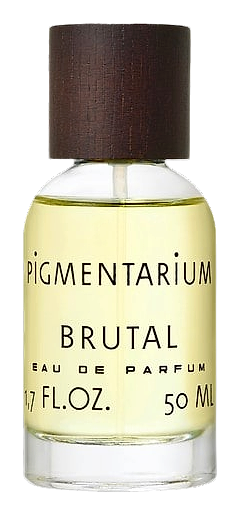
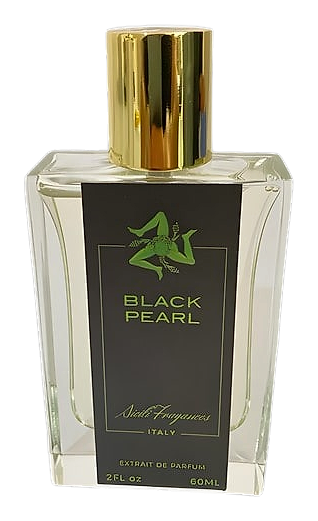
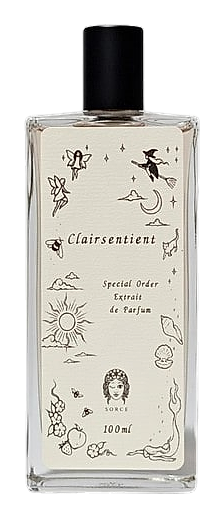
Fragrances featuring Cocktail
Brands
Brands known for Cocktail
Good to know
Questions, answered
The essentials on Cocktail in perfumery: how it smells, where it comes from, and how it behaves on skin.
What does cocktail mean in perfumery?
Cocktail in perfumery describes an aromatic concept inspired by mixed drinks. These fragrances combine alcohol-like warmth, citrus, fruit, sugar, and effervescence to evoke the experience of cocktails. The term represents a thematic category rather than a specific ingredient.
How do perfumers create cocktail accords?
Perfumers layer multiple scent components to recreate mixed drink complexity. They combine materials suggesting spirits, fresh garnishes, sweetness, and carbonation. Both natural extracts and synthetic aroma chemicals contribute to these multi-layered constructions.
Are cocktail notes natural or synthetic?
Cocktail notes blend natural and synthetic materials. Natural extracts like rum, cognac, and fruit absolues provide authenticity. Synthetic aroma chemicals offer consistency and replicate notes impossible to extract naturally, such as specific spirit characteristics or carbonation effects.
What are examples of cocktail-inspired fragrances?
Fragrances inspired by gin, vodka, champagne, rum, and tropical cocktails exist across many brands. These range from spirit-forward compositions to sparkling, citrus-forward interpretations. The cocktail glass symbol indicates this thematic inspiration.
What makes cocktail notes distinctive?
Cocktail notes stand out through their effervescence, freshness, and playful character. They combine bright citrus with warm alcohol-inspired base notes, creating energetic yet grounded compositions. The result captures the sociability and indulgence associated with mixed drinks.
How have cocktail notes evolved in perfumery?
Cocktail-inspired perfumery emerged in the late 20th century and expanded significantly since then. Early examples focused on spirits like gin and vodka. Contemporary interpretations include wine, champagne, and tropical cocktails, reflecting broader culinary and beverage culture influences.
Do cocktail fragrances smell like actual drinks?
Cocktail fragrances evoke mixed drink experiences without replicating actual beverages. Perfumers capture the sensation of effervescence, the brightness of citrus, and the warmth of spirits through carefully constructed accords. The result is an aromatic interpretation, not a literal simulation.
What does the cocktail glass symbol mean?
The cocktail glass symbol indicates a fragrance inspired by mixed drinks. Perfumers use this visual marker to signal a cocktail-themed aromatic direction. This symbol has become a recognized category indicator within the fragrance industry.