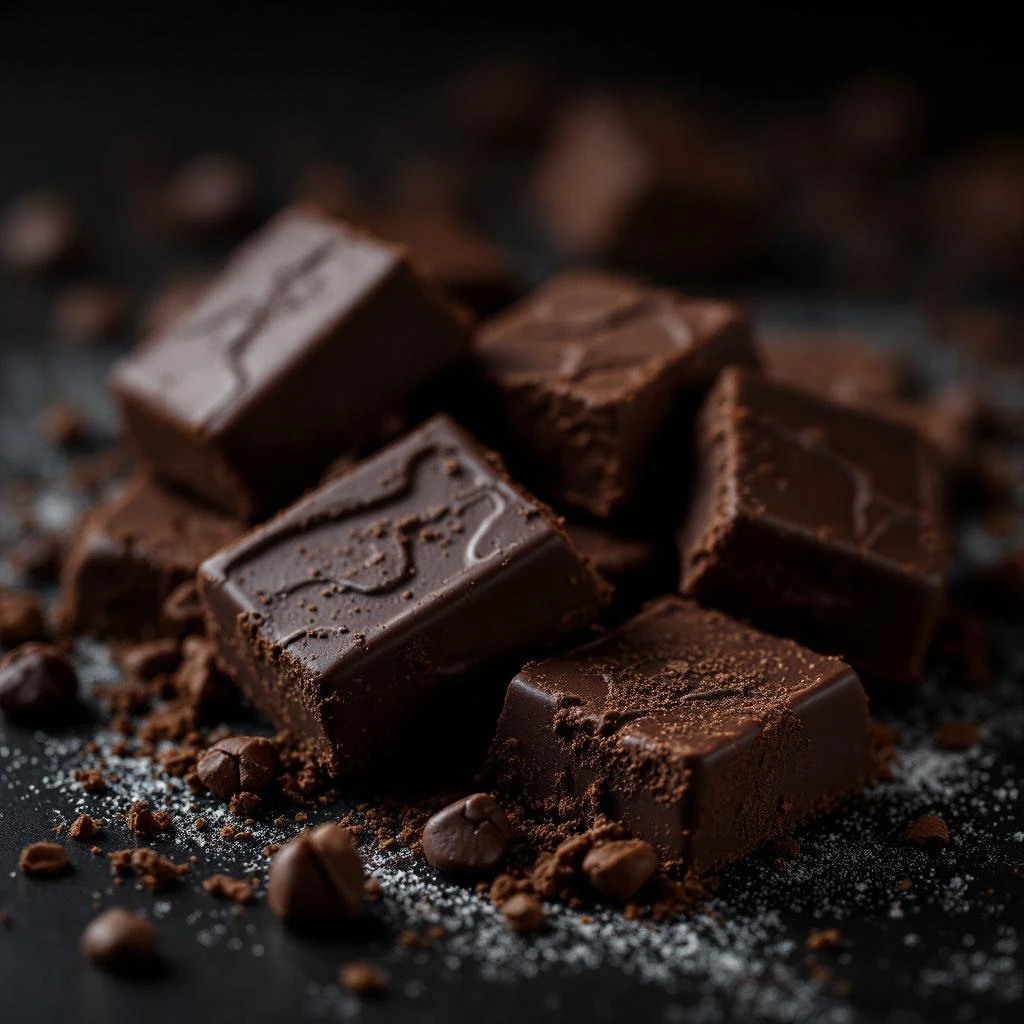
Herb Liqueur
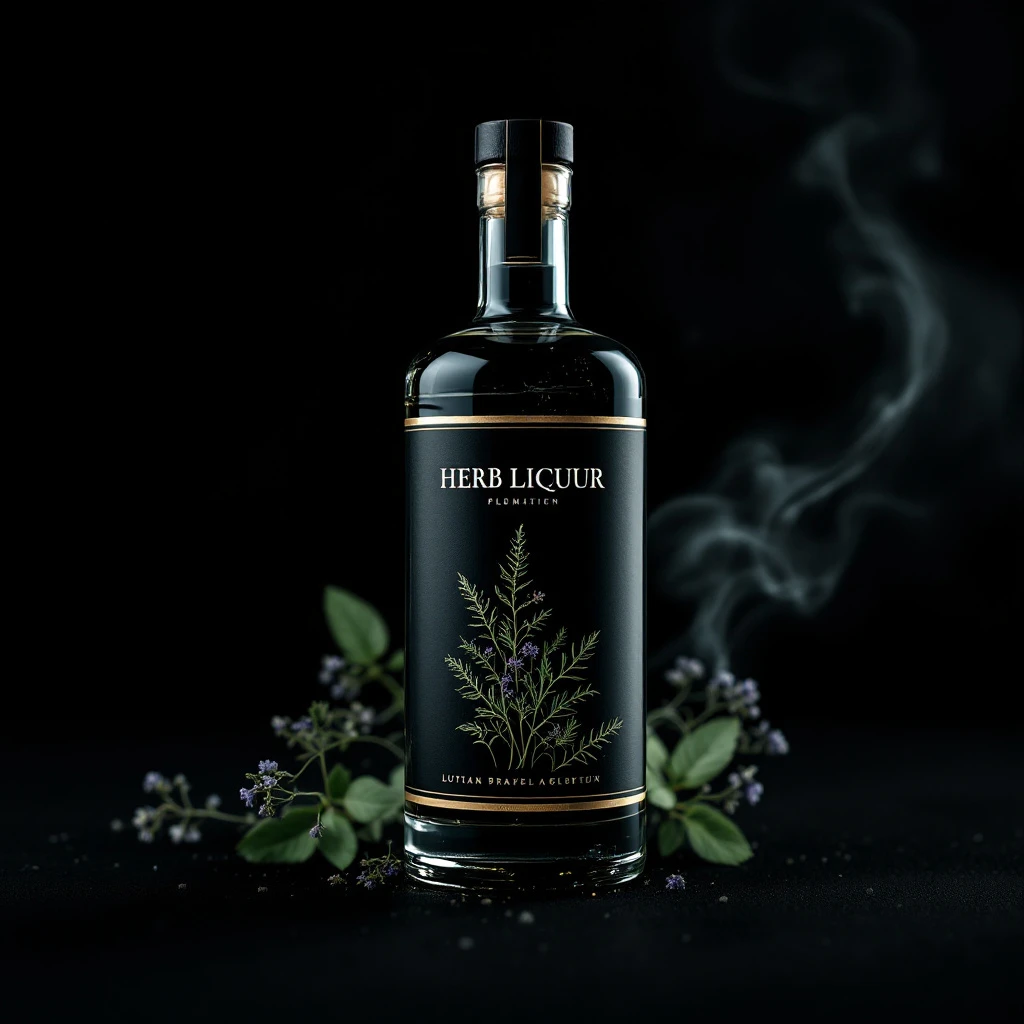
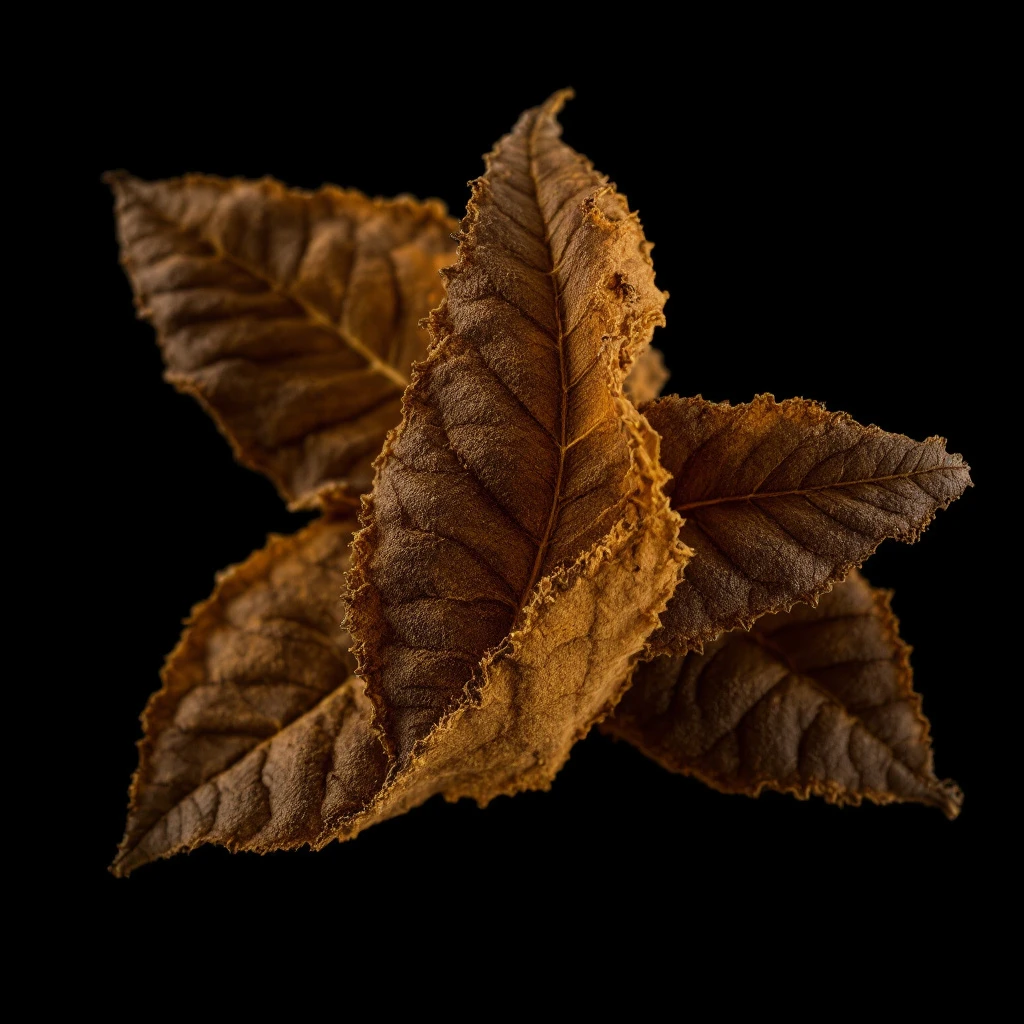
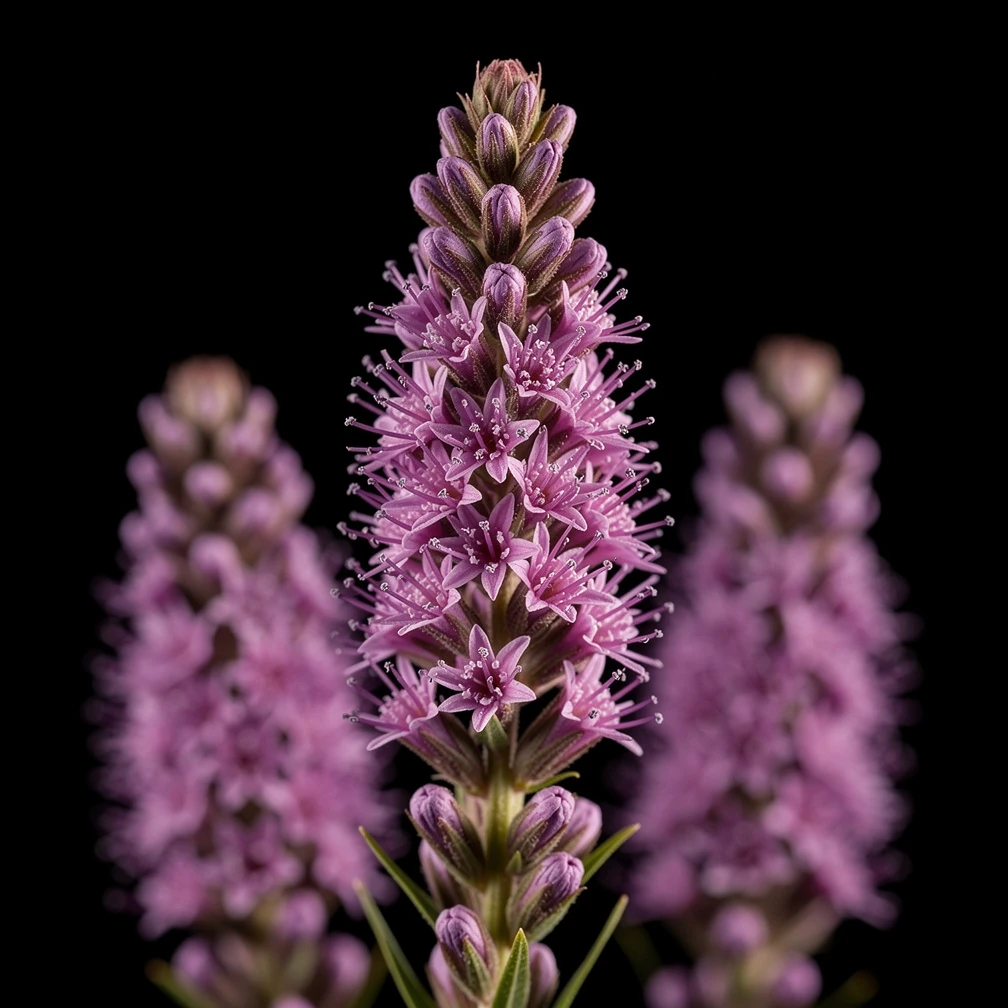
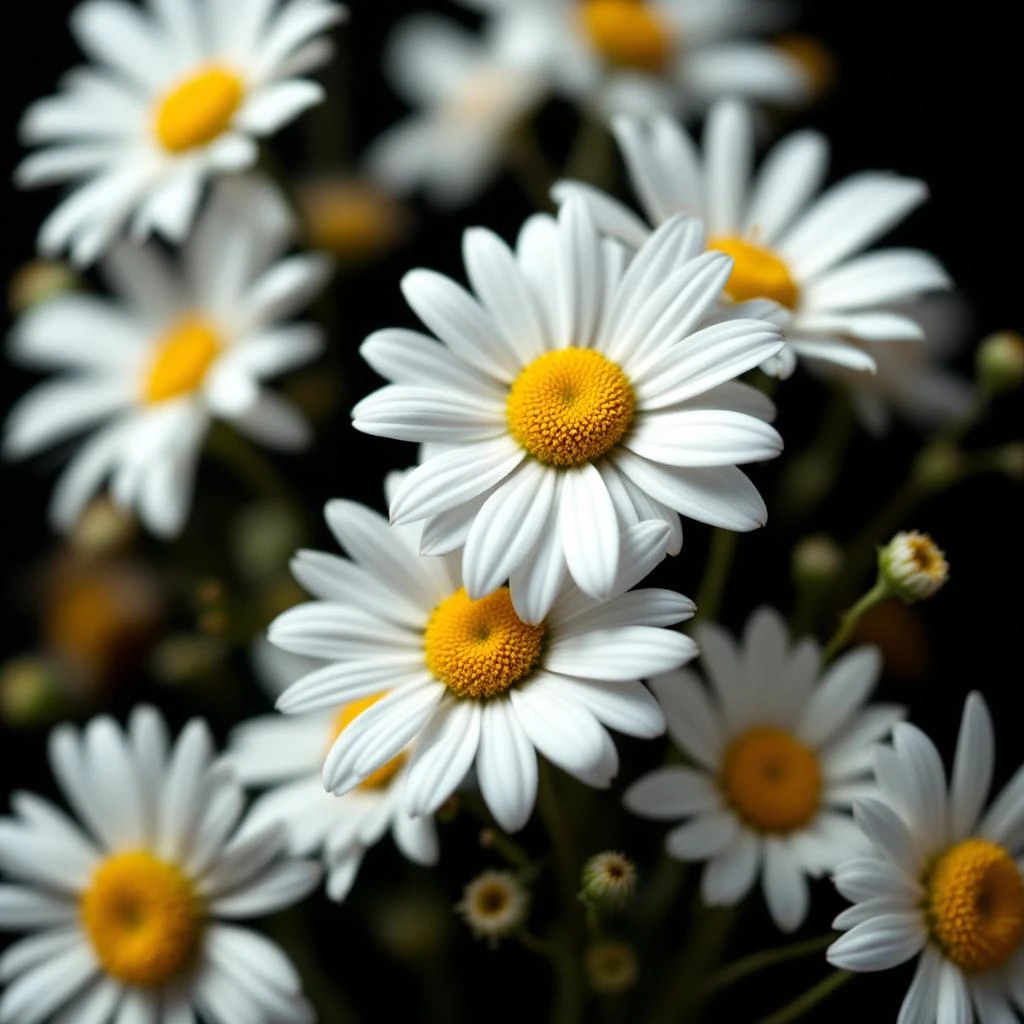
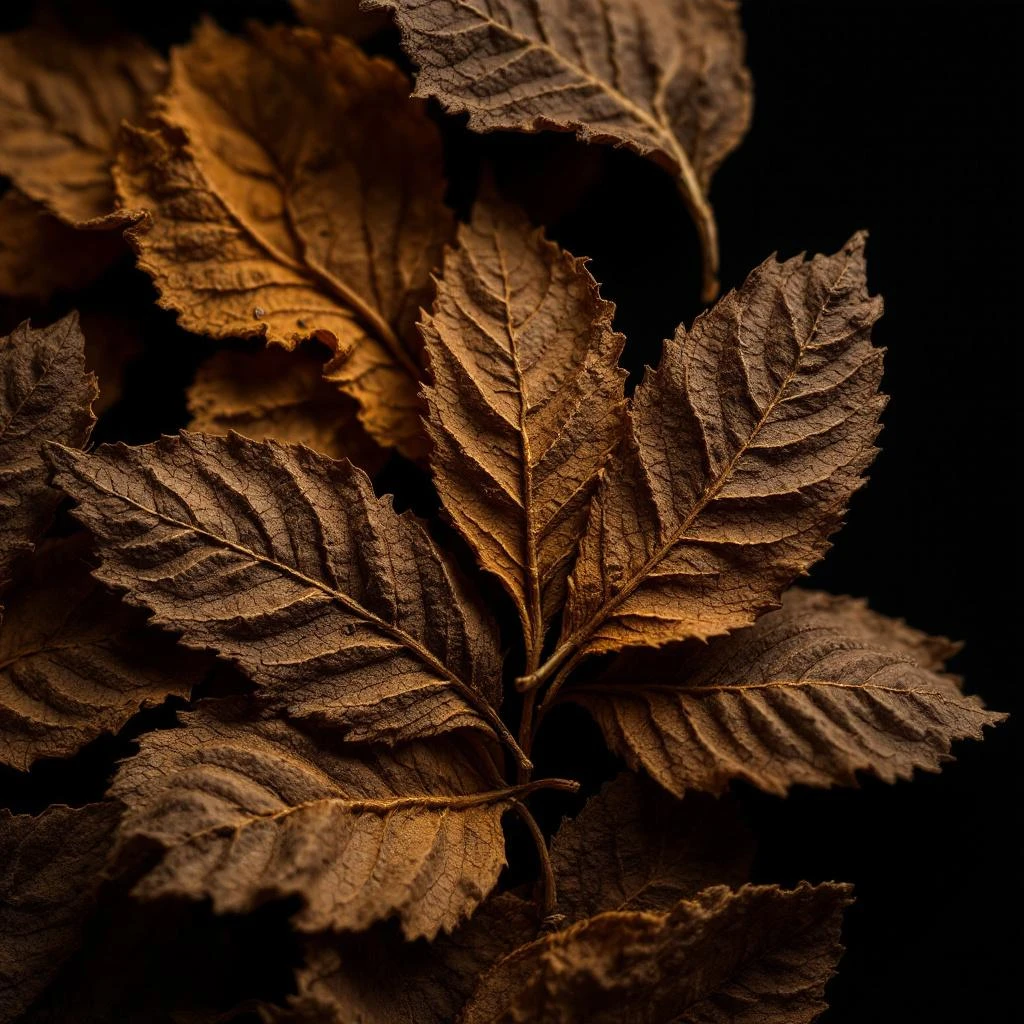
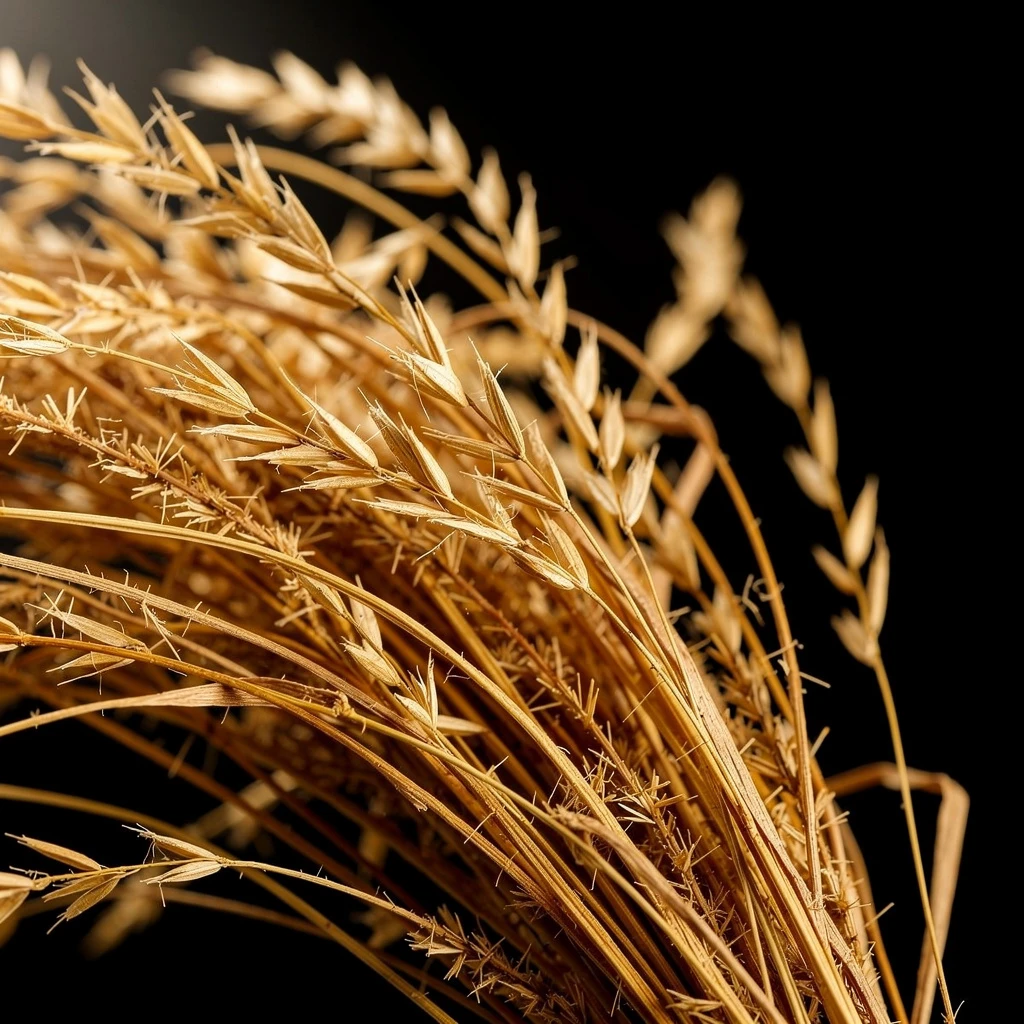
Herb Liqueur captures the aromatic soul of monastic botanical liqueurs, blending bitter herbs, sweet botanicals, and warm spice into a beguiling fragrance note. It evokes candied herbs, medicinal warmth, and a faintly sweet finish that transforms perfumes into something memorable.
Character
How it smells
Monastic botanicals distilled into liquid memory.
The original Chartreuse recipe contains exactly 130 herbs, plants, and flowers, and its makers guard it under oath.

Origin
France
The roots of herb liqueur perfumery trace to medieval monasteries, where monks crafted medicinal tonics from gathered botanicals. The Carthusian order perfected this tradition, developing Chartreuse around 1737 using 130 herbs and plants sourced from Alpine meadows.
These liqueurs served medicinal purposes first, believed to aid digestion and restore vitality. Perfumers began capturing this aromatic complexity in the 19th century as fragrance houses sought novel botanical accords.
The liqueur note gained prominence during the fragrance boom of the 1970s and 1980s, when perfumers like Jean-Paul Guerlain incorporated herbal liqueur characteristics into compositions. Today, it remains a signature of complex, herbaceous fragrances that bridge the gap between medicinal tinctures and luxurious perfumes.
Wears it best
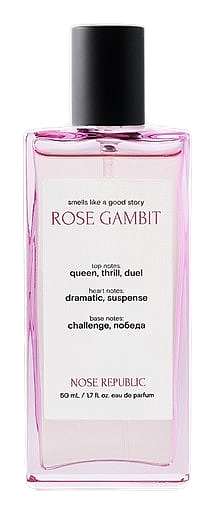
Fragrances featuring Herb Liqueur
Brands
Brands known for Herb Liqueur
Good to know
Questions, answered
The essentials on Herb Liqueur in perfumery: how it smells, where it comes from, and how it behaves on skin.
What does Herb Liqueur smell like in a fragrance?
Herb Liqueur reads as a bittersweet blend of fresh herbs, warm spice, and subtle sweetness. Expect notes of angelica, hyssop, juniper, and camphor with a lingering sweet-herbal drydown reminiscent of Chartreuse.
Is Herb Liqueur a natural or synthetic ingredient?
Herb Liqueur exists as both. Natural versions combine absolutes from botanicals like angelica root and hyssop. Synthetic versions use aroma chemicals to replicate the profile. Both approaches capture the characteristic sweet-herbal complexity.
Which fragrances commonly feature Herb Liqueur?
Herbal liqueur notes appear in Chanel Egoiste, Guerlain Heritage, and Annick Goutal Eau du Hautbois. Niche houses like L'Artisan Parfumeur and Serge Lutens also use this accord in their complex botanical compositions.
How does Herb Liqueur interact with other fragrance notes?
Herb Liqueur bridges fresh and warm fragrance families. It pairs well with citrus top notes, floral hearts, and woody bases. The note adds depth to aromatic and fougere fragrances while maintaining a distinctive bittersweet character.
What botanicals create the Herb Liqueur accord?
Key botanicals include angelica root (earthy sweetness), hyssop (camphoraceous freshness), melissa (citrusy herbs), juniper berries (piney notes), and various Alpine herbs used in traditional liqueur recipes.
How long does Herb Liqueur last on skin?
Herb Liqueur typically lingers for 4-6 hours as a heart note. The fresh herbaceous qualities appear first, followed by warm, bittersweet undertones that fade gradually into a subtle botanical drydown.
Can Herb Liqueur cause skin irritation?
Some botanicals in the accord, particularly angelica root and hyssop, contain furanocoumarins that may cause photosensitivity. Professional formulations use pre-treated absolutes to minimize skin reactivity.
Why do perfumers use Herb Liqueur in compositions?
Herb Liqueur adds aromatic complexity and nostalgic character that single notes cannot achieve. It evokes apothecary herbs, monastic traditions, and bittersweet liqueurs, giving fragrances a distinctive, memorable quality.