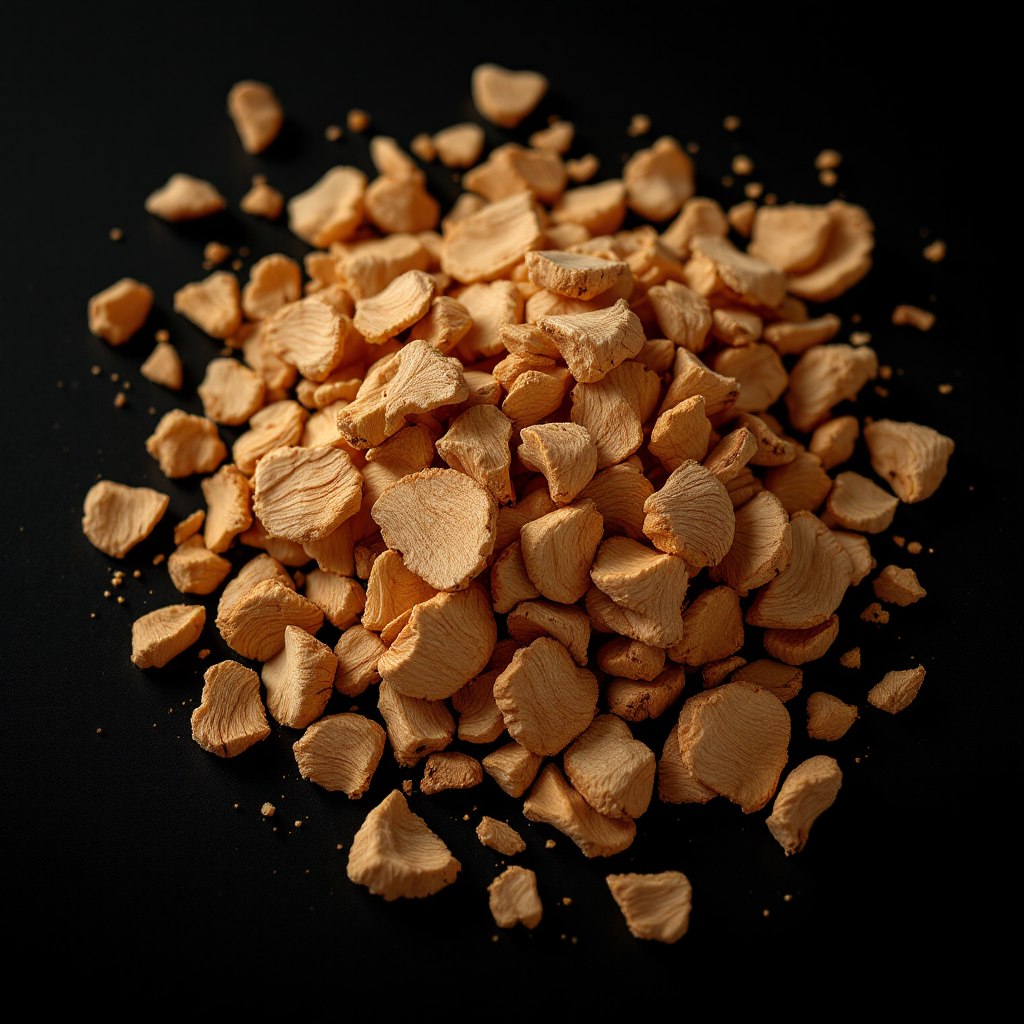
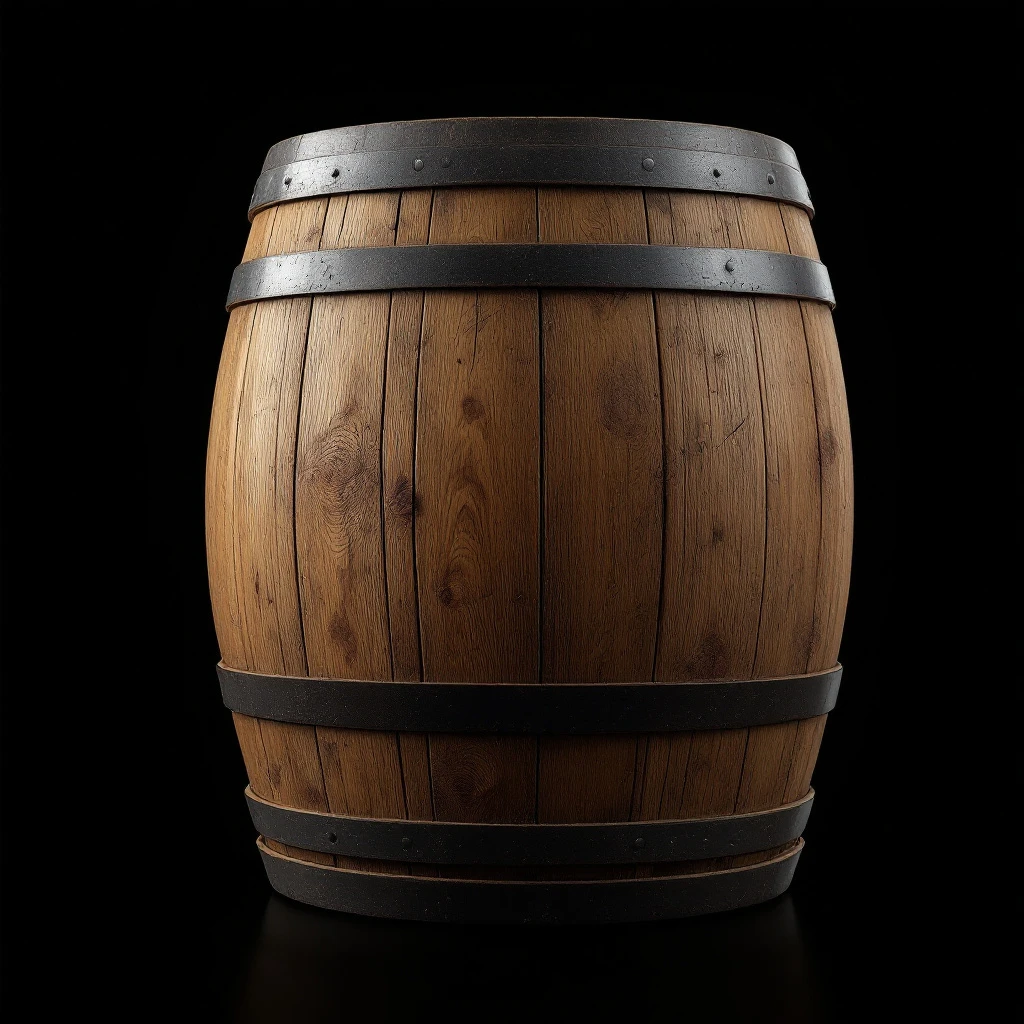
Wood barrel
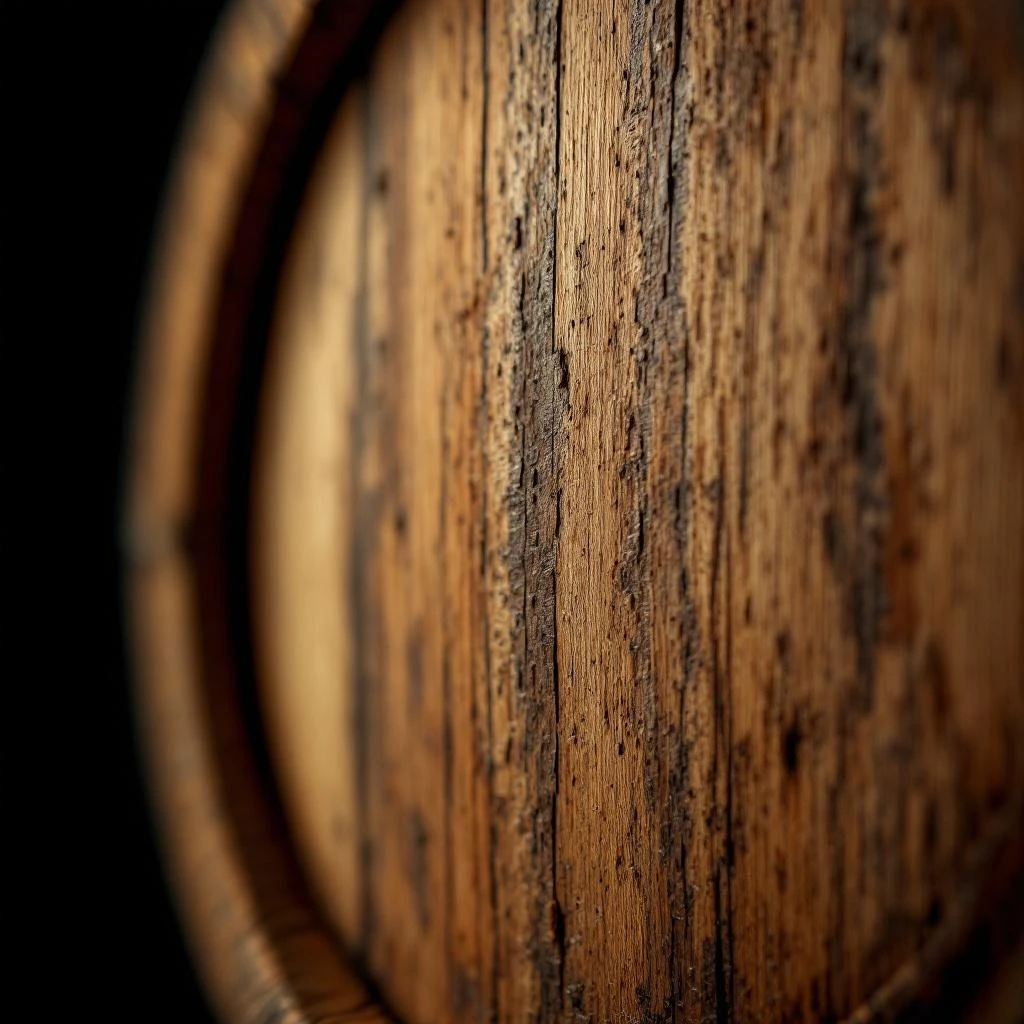
The rich, warm scent of oak barrels after years of aging spirits. Vanilla, coconut, and smoky undertones from charred wood create a complex, inviting aroma that adds depth and sophistication to any fragrance composition.
Character
How it smells
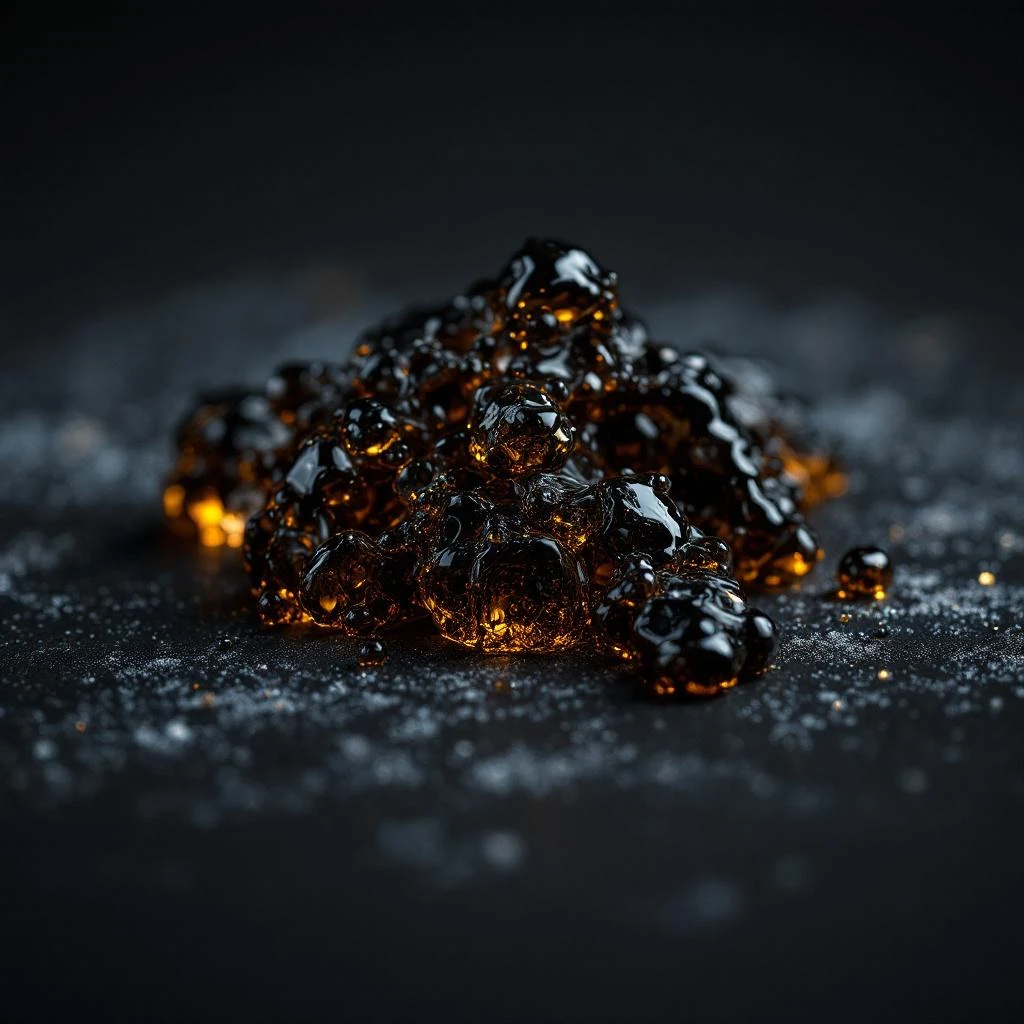
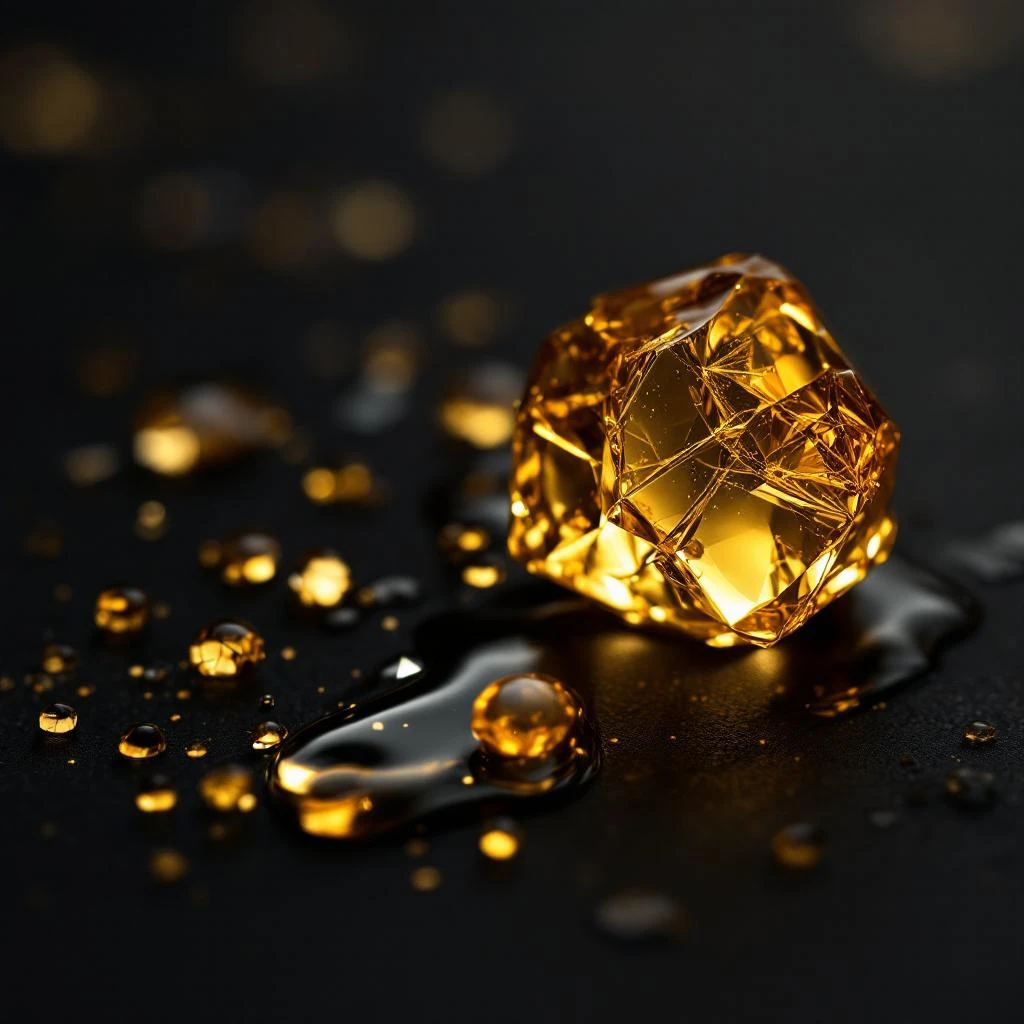
Where time transforms wood into liquid gold.
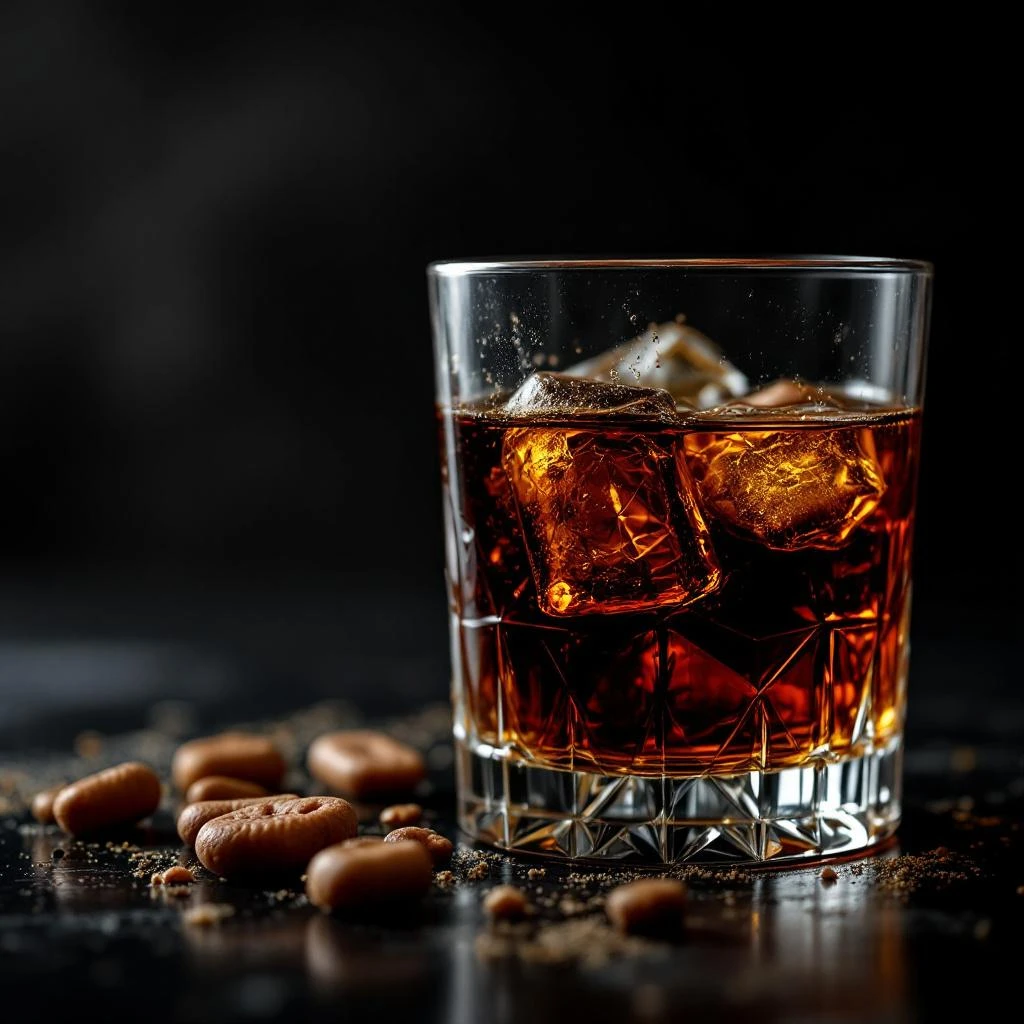
A single whiskey barrel releases its signature aroma compounds gradually over decades, even long after the spirit has been bottled.



Origin
France
Oak barrels have served as the primary vessel for storing wine and spirits since ancient Roman times. Artisans discovered that oak's structural strength and controlled porosity enhanced both preservation and flavor development.
The barrel's influence on fragrance predates modern perfumery by millennia—records in ancient Indian texts document tree-based aromatic materials used in religious ceremonies and medicinal preparations at least 4,000 years ago. The practice of transferring barrel aging to perfumery emerged more recently, inspired by the wine and spirits industries' deep understanding of how wood transforms liquid over time.
This approach gained momentum in the late 20th century as consumers developed broader appreciation for craft spirits and artisanal products. Today, perfumers apply the same principles, using barrel wood extracts and accords to create fragrances with depth, warmth, and complexity once reserved for spirits alone.
Wears it best
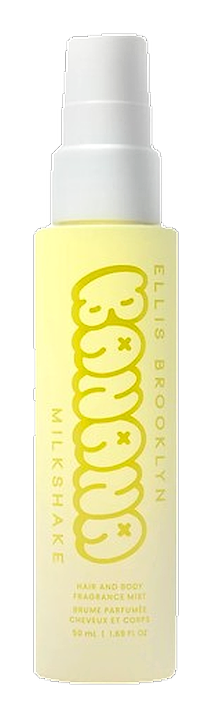
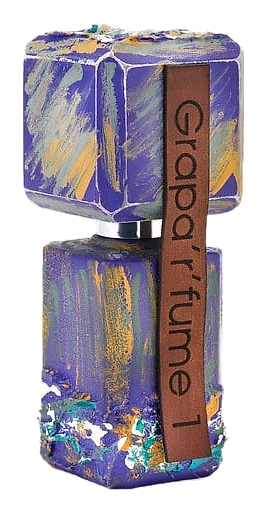
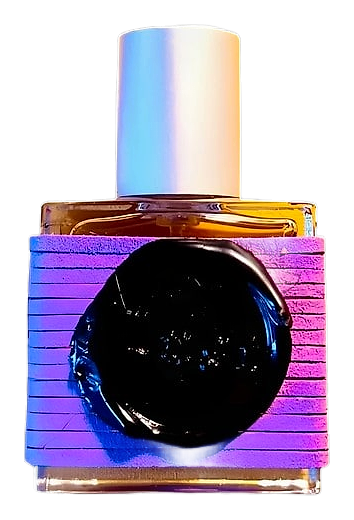
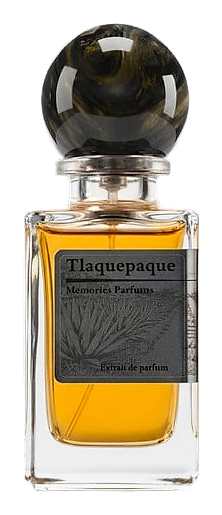
Fragrances featuring Wood barrel


Brands
Brands known for Wood barrel
Good to know
Questions, answered
The essentials on Wood barrel in perfumery: how it smells, where it comes from, and how it behaves on skin.
What does wood barrel smell like?
Wood barrel delivers warm, enveloping notes of vanilla, caramel, and coconut from years of spirit contact, balanced by smoky, toasted undertones from barrel charring. The scent carries a distinctive dryness from natural oak tannins. Depending on the spirit previously aged in the barrel, you may also detect hints of whiskey, wine, or dried fruit.
Is wood barrel natural or synthetic in perfumery?
Wood barrel exists in both natural and synthetic forms. Natural extracts come from actual barrel wood through distillation, while synthetic versions recreate specific aromatic molecules like vanillin and whiskey lactone in a laboratory. Most perfumers use barrel-aged accords, which combine natural and synthetic materials to capture the complete barrel experience.
Which woods are used for barrel aging in perfumery?
French and American oak dominate perfumery's barrel wood palette due to their ideal balance of density and porosity. French oak produces refined, subtle vanilla and spice notes, while American oak tends toward bolder vanilla and coconut characteristics. Some houses also experiment with chestnut, cherry, or ash wood, though these remain less common.
How is barrel-aged accord different from natural barrel extract?
A barrel-aged accord layers multiple fragrance ingredients to mimic the complete sensory profile of barrel aging. Natural barrel extract comes directly from actual barrel wood through distillation. Accords offer creative control over the final character, while extracts provide genuine barrel authenticity. Perfumers often combine both approaches.
Why is oak the most common wood for barrels?
Oak offers a unique combination of structural strength, controlled permeability, and aromatic compounds that enhance both spirits and perfume. Its high vanillin content produces characteristic vanilla notes, while oak lactones contribute distinct coconut-like qualities. The wood also takes toasting remarkably well, allowing coopers to fine-tune flavor profiles.
Can wood barrel be found in any fragrance family?
While most common in orientals and woody fragrances, barrel notes appear across families. The warm, smoky character pairs with citruses in unexpected ways and adds unexpected depth to fresh aquatic or green fragrances. Barrel notes serve as excellent fixatives, anchoring base compositions with longevity and sophistication, particularly in men's and unisex fragrances.
What other notes pair well with wood barrel?
Vanilla, amber, and smoke naturally complement barrel notes. Leather and tobacco reinforce the spirits heritage connection, while citruses and light florals provide contrast. Spices like cinnamon and clove amplify the warming character. These pairings explain why barrel notes excel in autumn and winter fragrances.
How does barrel aging work in perfumery?
In the spirits industry, aging typically spans 3 to 30 years. Perfumery operates differently—some houses age accords in actual barrels for weeks to months, while others age fragrance concentrates in small oak containers. This produces a pre-aged quality without waiting decades. The practice captures the essence of time without literal aging timelines.