The Story
Why it exists.
The beginning
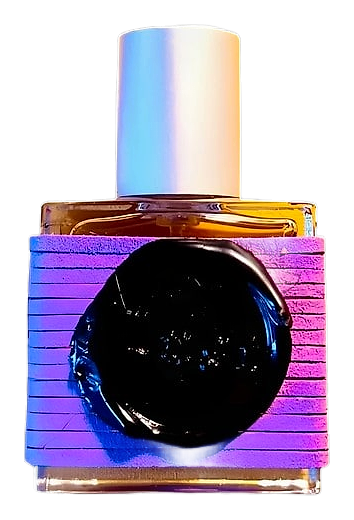
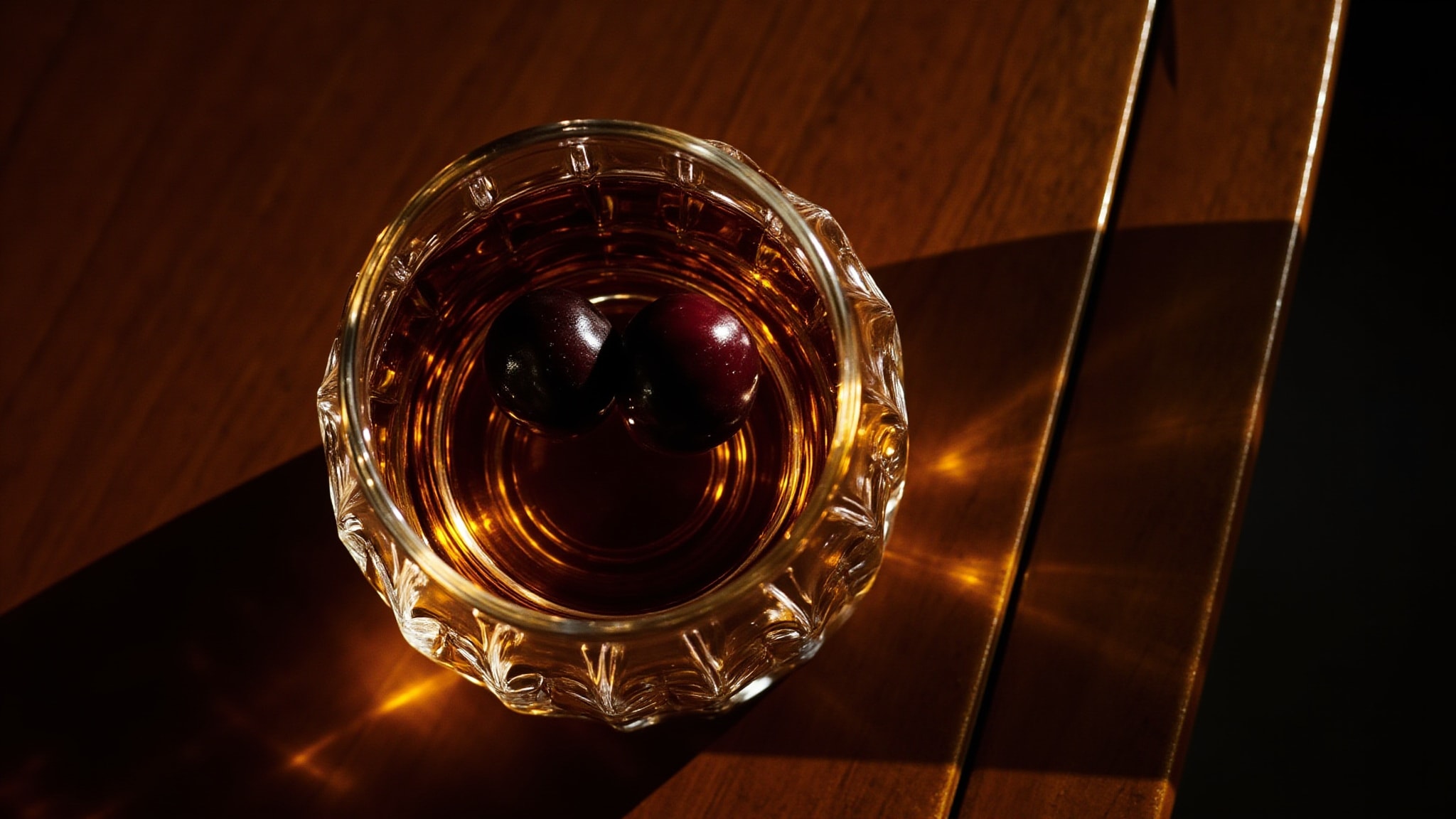
The inspiration reads like a bar tab: Hemingway and his women, Papa Doble, the cherry daiquiri specifically made for him at La Floridita, without sugar, because that's how Hemingway drank. OM Parfum took that same refusal to compromise and poured it into a bottle. The Jamaican rum material isn't an afterthought. It's the point, rendered in extract and absolute form, intense and rummy and unapologetically dreamy. Black cherry echoes the Papa Doble's sweetness, but tobacco and warm resin cut through before things get too easy.
Aichi Liu builds the composition around that opening intensity. The rum and cherry don't compete, they amplify each other, the way a good drink and a good conversation do. What follows is a slow descent into warmth: tolu balsam and labdanum add a sticky, resinous depth that smells like old wood and dried fruit. Caramel and benzoin sweeten the middle without making it soft. The animalic notes arrive late, in the base, as a reminder that desire has a shadow side. This isn't a fragrance that stays pretty.
The evolution
The first minutes announce themselves. Rum and black cherry burst open, sweet, boozy, immediate. No subtlety yet. As the opening settles, tobacco and warm spice take over, while tolu balsam adds a resinous, almost medicinal sweetness. The whiskey accord becomes more apparent as the rum settles, not alcoholic anymore, but warm and rounded, like a glass you've been nursing. The heart develops spicy and sweet notes, with an undercurrent of oak and caramel that deepens as it warms on skin. The sweetness fades into darker territory: suede, patchouli, a faint animalic note that reads as skin-warm, intimate, close. Oakmoss and cedar ground everything, giving the base a mossy, woody depth. On fabric, the composition lingers generously. On skin, the presence is substantial, leaving a quiet, smoky trail that stays intimate and close.
Cultural impact
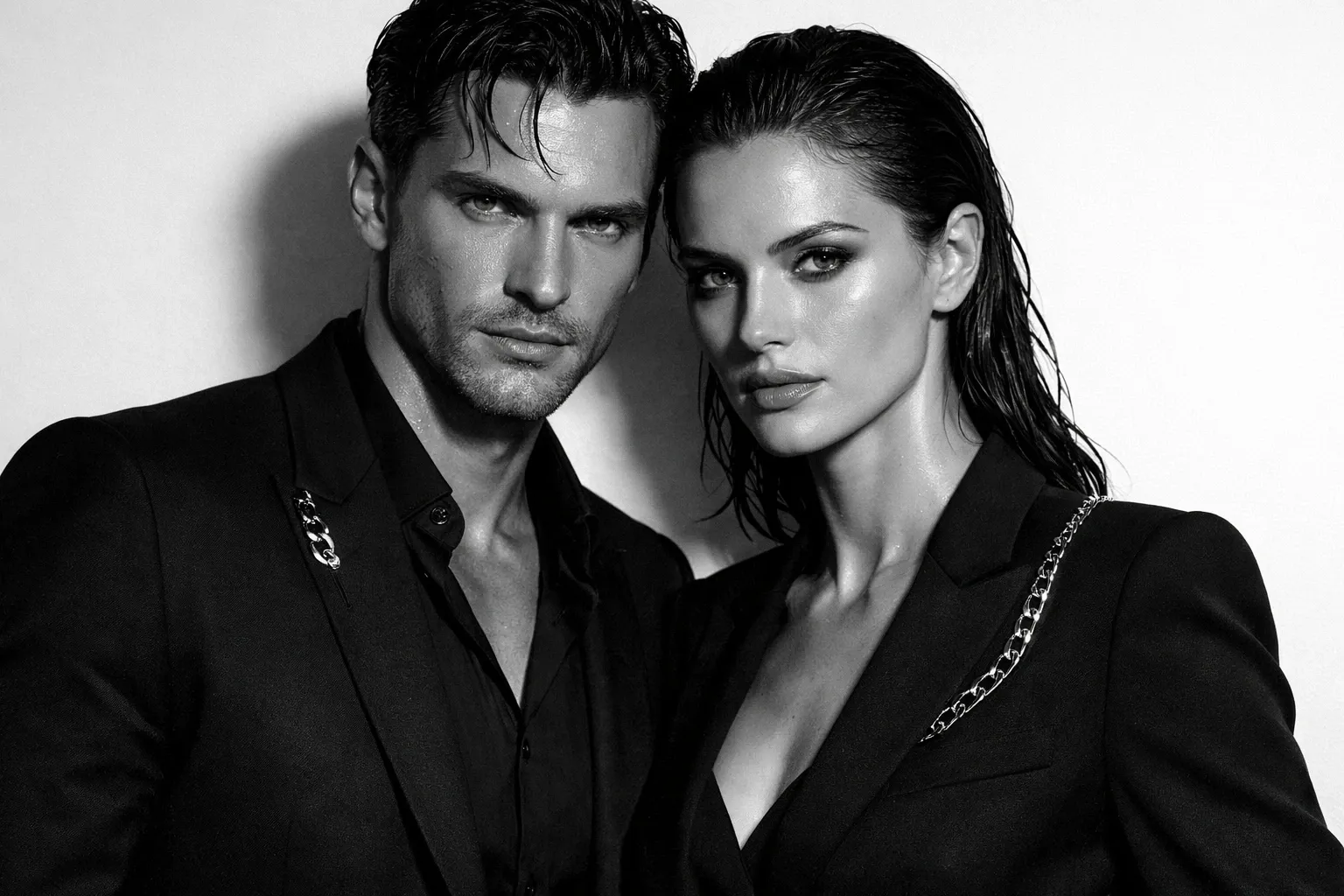
Lust belongs to the 7 Sins Series, treating desire and shadow as creative territory rather than provocation for its own sake. The rum-forward composition sets it apart from the mainstream fragrances that populate the niche market. It is the scent of someone who walks into a room and does not announce themselves, who is already settled into the corner booth when you notice them. There is a quiet confidence here, a refusal to compete for attention. It is the kind of fragrance that appeals to those who prefer a subtle presence over loudness. The piece captures that quality of being noticed precisely because it does not try to be noticed.