The Story
Why it exists.
The beginning
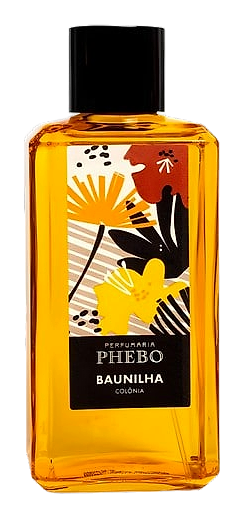
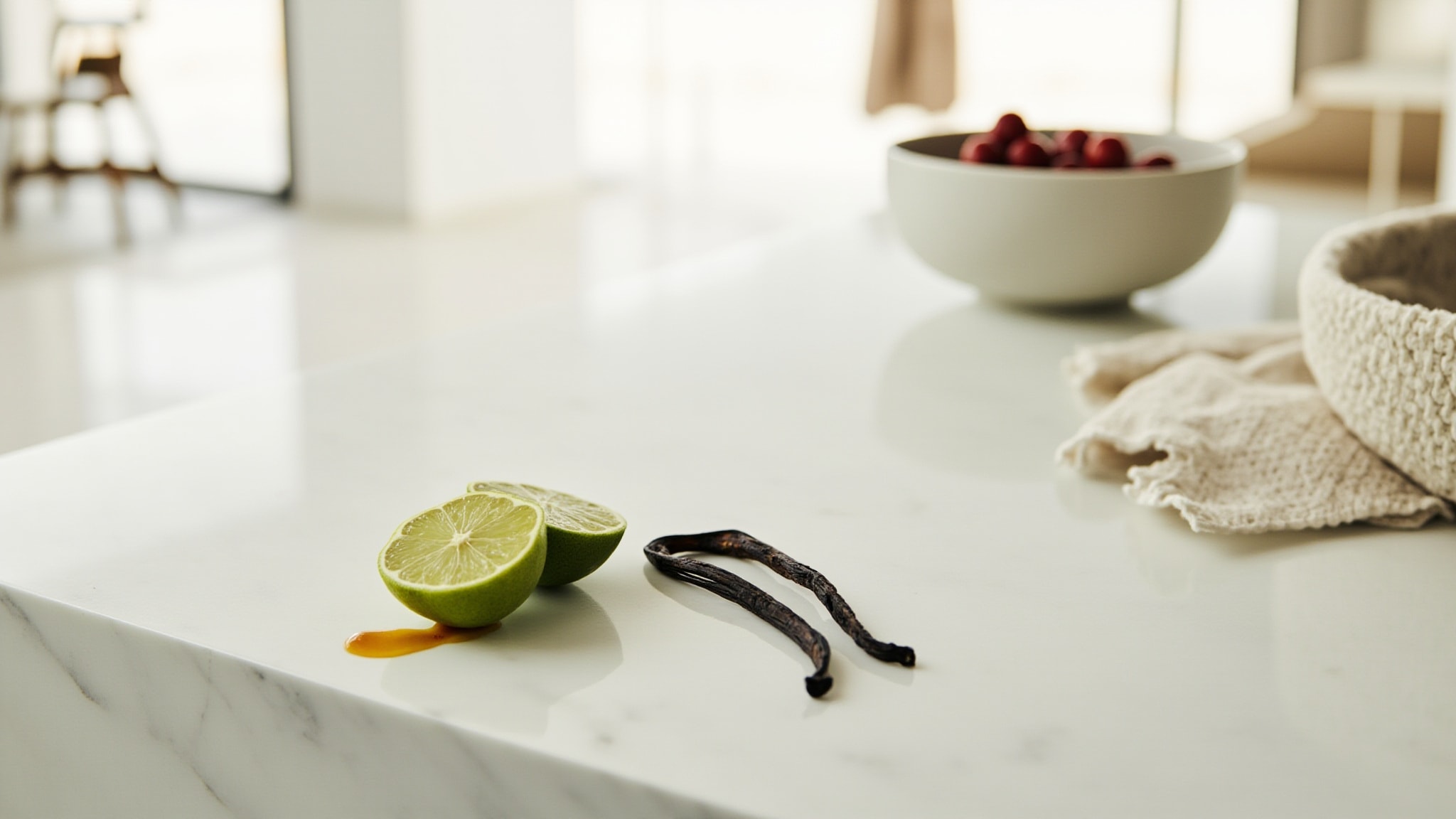
Phebo launched Água de Baunilha in 2016, a fragrance built around a single conviction: Brazilian vanilla deserved better than dessert-table shorthand. Perfumer Véronique Nyberg approached the brief with precision, the opening had to cut before it could comfort. Bergamot, lime, and red fruits arrive tart and immediate, a counterargument to anything sweet. The florals follow quietly, settling the composition into something powder-soft before the base delivers warmth that doesn't need to announce itself. It is a fragrance for someone who wants vanilla without apology but also without cliché.
What makes this work is the structural honesty. Citrus opens clean and drops fast, that fifteen-minute window sets up the real story. The heart of freesia, iris, and violet doesn't compete with the vanilla. It builds a platform for it. Benzoin, often used as a fixative alone, here does something more: it adds a faint resinous quality that keeps the sweetness from flattening. Musk keeps everything close to the skin. The result is a fragrance that performs its arc rather than announcing it, the drydown arrives without ceremony and stays.
The evolution
The first fifteen minutes are all citrus, bergamot and lime cutting bright against the red fruits underneath. Quick and clean. Then the hand-off happens, quieter than expected. Freesia arrives first, slightly green, followed by iris doing what iris does: softening everything in reach. Violet adds the powder, and for the next two to three hours that powdery floral heart is the fragrance. No drama. The drydown doesn't replace the heart so much as warm it from below. Benzoin and vanilla arrive together, slow and close, the kind of presence you notice on your wrist before anyone else does. On fabric it lasts longer. The next morning there is something faintly sweet still there, like memory rather than projection.
Cultural impact
Água de Baunilha arrived in 2016 as Phebo's effort to modernize a heritage house that traces its roots to 1930s Belém, the heart of the Brazilian Amazon. The fragrance arrived during a period when Brazilian perfumery was reasserting its identity after decades of importing European aesthetics, choosing instead to frame vanilla, historically an export commodity, within a distinctly Brazilian citrus and powdery floral structure. The positioning as a composed, office-appropriate daytime scent reflected a broader cultural shift in how Brazilian consumers engaged with fragrance, moving from bold tropical statements toward nuanced, close-wearing compositions that suited the professional environments of an expanding middle class.