The Story
Why it exists.
The beginning
Sweet Sixteen arrived under the Jeanne Arthes banner with one job: capture the feeling of an age that doesn't exist yet. Not the sugar-coast of childhood, not the weight of adulthood, the electric middle. The moment when a person starts trusting their own instincts about what they want to wear, eat, say, become. Jeanne Arthes has built its identity around exactly this kind of accessible, self-assured composition since 1978. Sweet Sixteen fits the house DNA: confident without ceremony, sweet without apology.
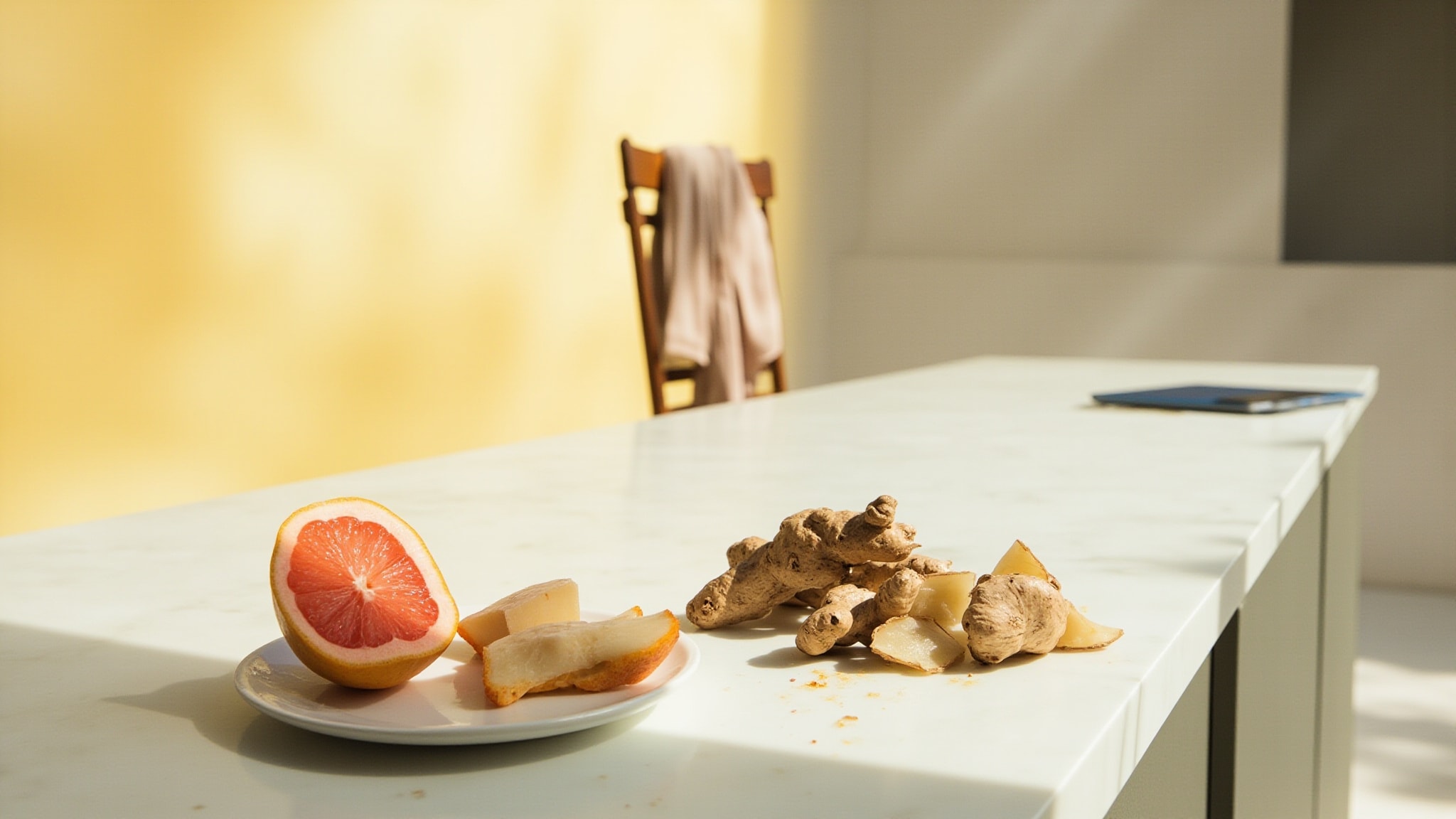
What makes the note structure interesting is the tension between its opening and its ending. Ginger and grapefruit are not shy, they introduce themselves loudly, with a spice-and-sour that could belong to a completely different fragrance. Then the hand-off happens. Freesia and hibiscus soften the edges without erasing them. The rose doesn't dominate, it bridges. By the time sandalwood and vanilla arrive, the composition has traveled from a sharp morning energy to a warm, close-of-day comfort. That arc, from bright to warm, citrus to Gourmand, is the story of the fragrance itself.
The evolution
Grapefruit hits first. That's the first five minutes: tart, almost medicinal before it smooths out, zest still clinging to skin. Ginger follows, not the warming spice of a winter fragrance, but something cleaner. The kind of heat that wakes you up, not something that builds. By minute fifteen, the florals are arriving. Freesia first, slightly soapy in the best way, then hibiscus with its hibiscus-water coolness. The rose doesn't push, it mingles. Around the thirty-minute mark, the citrus begins to thin. Vanilla is waiting. Sandalwood is already there, patient. Together they form the drydown that most wearers will remember: warm, slightly sweet, never heavy. The sandalwood tends to linger in fabric long after the skin has moved on. What remains the next morning is a faint, clean warmth, vanilla without sharpness, wood without weight. Jeanne Arthes has maintained a loyal following for accessible French fragrances, and Sweet Sixteen has earned its place in that tradition.
Cultural impact
Sweet Sixteen sits in a crowded category, fruity-floral fragrances for a younger consumer, but differentiates itself through its opening. The ginger-grapefruit combination is uncommon at this price point, and the sandalwood-vanilla drydown gives it a warmth that many peers skip. For wearers who want something sweet but with more structure than a straightforward Gourmand, this occupies the right space. Jeanne Arthes positions it alongside its broader range of playful, colorful releases, each with a distinct personality, and Sweet Sixteen earns its name without relying on it.