The Story
Why it exists.
The beginning
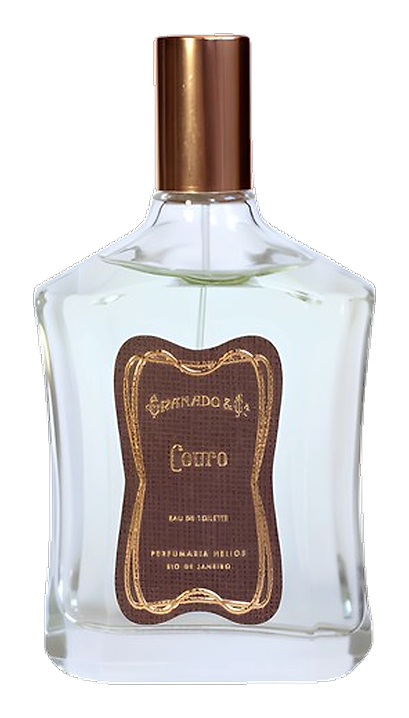
Granado built Couro in 2020. The idea was simple: leather as a foundation, but balanced against florals and warmth. Most houses treat leather as a statement, bold and aggressive. Granado asked what happens when you flip that script. Couro is the answer. The name says everything: Portuguese for leather, direct and unadorned. Natural ingredients make up 89% of the formula. Nothing synthetic about the ambition here.
The note structure is restraint as sophistication. Couro sits between aggressive leather and light interpretations: assertive enough to announce itself, then yielding to florals that soften without disappearing. Peony and raspberry cut through leather's weight with sweetness and brightness. Violet adds a powdery undertone that keeps everything grounded. This middle ground is where Couro lives, neither fully one direction nor the other. Cocoa and patchouli settle last, keeping warmth close to skin. This is leather that learned manners.
The evolution
The opening announces itself with saffron's clean heat and leather's bold presence. Benzoin adds sweetness, but this is a statement. As time passes, the florals take over. Raspberry's tartness cuts through the leather's weight. Peony softens without apologizing. Violet adds a powdery undertone that keeps everything grounded. The leather doesn't disappear, it settles. Cocoa and patchouli arrive late, adding depth and warmth that lingers close to skin. The drydown becomes a quiet presence rather than a declaration.
Cultural impact
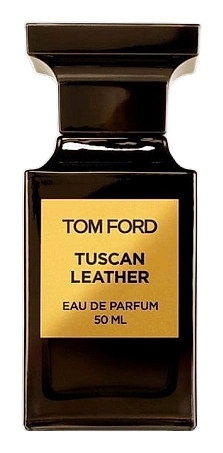
Couro launched in 2020 with 89% natural ingredients. Reviewers compared it to heavier leather fragrances, finding it fresher and less dense. Comparisons to Tuscan Leather came up repeatedly, with critics calling Couro a lighter interpretation. The fragrance crossed gender lines, appealing to anyone who wanted leather's richness without the weight. Word spread through fragrance communities about what this scent could do. It's leather that breathes.