The Story
Why it exists.
The beginning
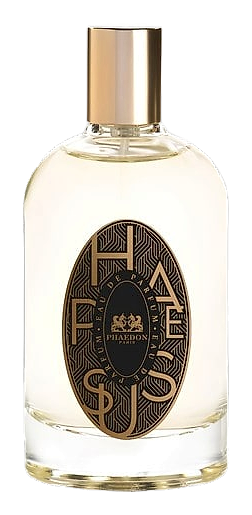
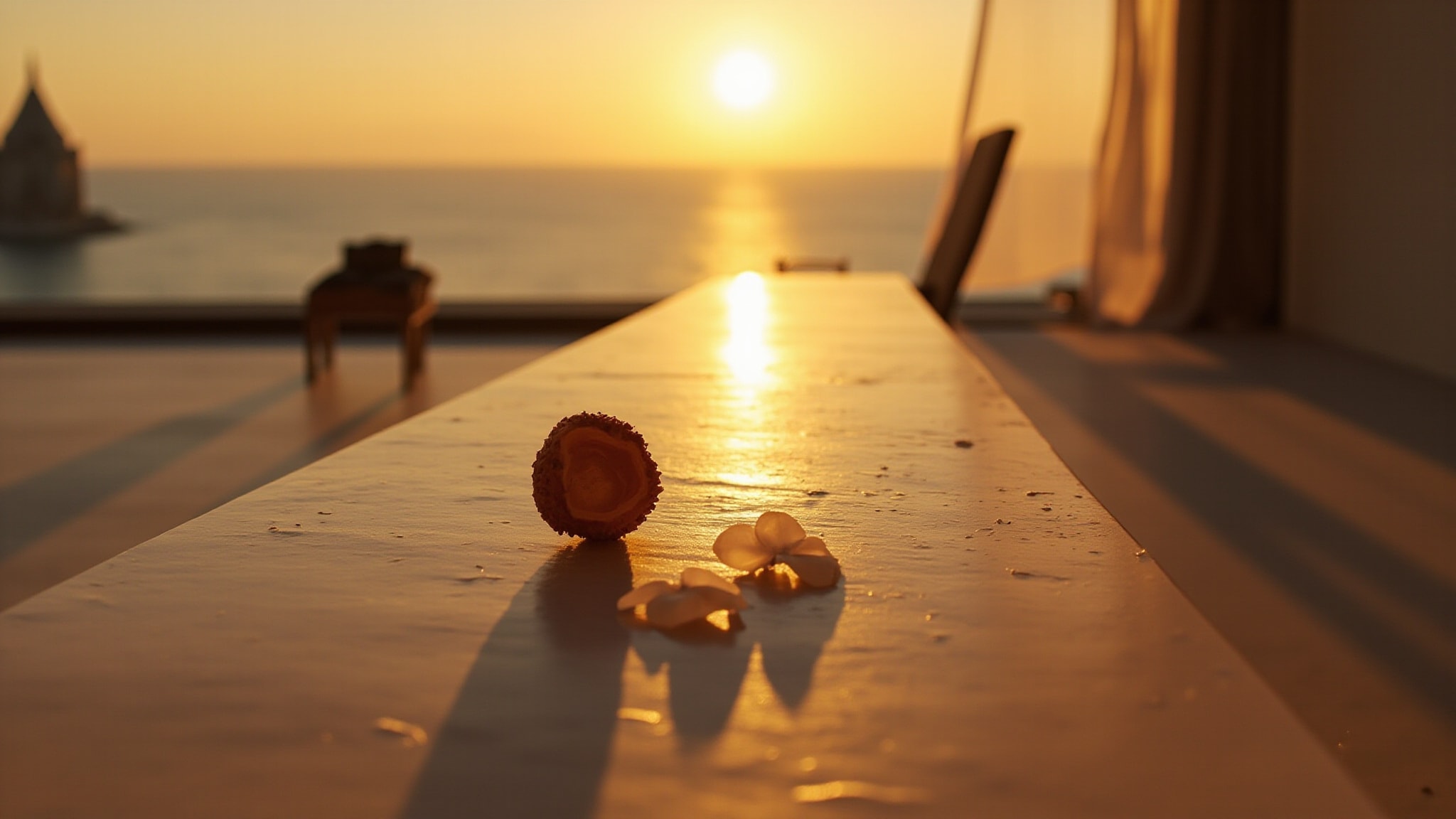
Phaesus is Phaedon's 2025 postcard from the island of Sumba, the Indonesian outpost in the Indian Ocean's shadow near Komodo. Pierre Guillaume translated the brief into a marine sandalwood, threading frangipani, lychee, and sap through animalic salt. The house was founded in Paris by two aesthetes, great travelers and lovers of ancient cultures, and Phaesus enters that same lineage of place-driven composition. Sumba itself sits where the Indian Ocean broadens, an island of stone temples and open savanna, a place where ritual and surf share the same coastline. The fragrance takes that geography seriously, and the result reads like a salted floral, a tropical wood, a meeting of the oceanic and the grounded, all at once, without flattening the contrasts into something easier to wear.
What makes the composition interesting is the collision at its center: lychee, a fruit that reads as syrupy and bright, set against an animalic register that smells like warm hide and briny air. Sandalwood resin acts as the adhesive, holding the sweetness and the sweat in the same breath. The marine notes here are foam-textured, carrying salt rather than spraying it, denser than a clean aquatic and more lived-in than a fresh cologne. It is a perfume built on contrasts that should not coexist but find a strange equilibrium.
The evolution
The opening is fruit in motion, lychee and frangipani catching the light, with a thin lace of sap and sea foam already threading through. As the composition settles, the sandalwood resin climbs, and the scent tilts from tropical sweetness toward something denser, creamier, a warmth that sits close to the skin. Over time, the animalic notes push forward, not aggressively, but with the insistence of warm skin in close quarters, a heat that reads as bodily rather than perfumed. The marine accord never disappears; it stays in the composition like a memory of where the scent started, a saltiness that keeps reasserting itself even as the woods take over. In the later phase, the drydown is mostly skin-warm wood and that persistent animalic softness, intimate and grounded, the kind of scent that clings to a collar or a sleeve long after the wearer has left the room.
Cultural impact
Phaesus fits within Phaedon's standing as a house for collectors who treat fragrance as personal scholarship, and the Sumba inspiration lands as something distinctive within a niche catalogue already attuned to travel and antiquity. The lychee-and-animalic pairing pulls it into conversation with adventurous tropical compositions, a scent that rewards the wearer who wants a fragrance with a point of view. The animalic register is not shy, the marine accord reads as lived-in rather than clean, and the overall effect is closer to a place you have visited than a style you have sampled.
The House
PhaedonPhaedon is a Paris‑based niche perfume house that translates the scents of ancient Mediterranean cultures into contemporary fragrances. Founded in 2011, the brand quickly built a catalogue that mixes bright citrus, warm spices and resinous woods, offering collectors a concise yet diverse library. Each launch reflects a specific place or historic moment, inviting wearers to travel through scent without leaving their room.
The Creator
Pierre GuillaumePierre Guillaume favors a laboratory mindset, using classic French techniques while experimenting with rare absolutes. He builds structures around a solid base of woods, resins, and amber, then layers bright florals or citrus to create contrast.