
The Story
Why it exists.
The beginning
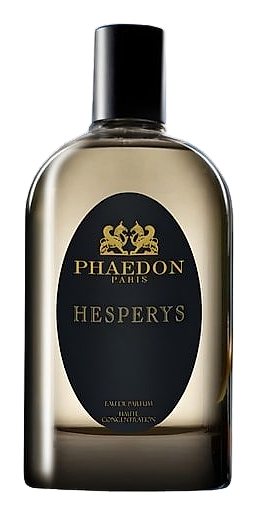
The name Hesperys draws from the Greek Hesperides, the nymphs of evening and golden light. Phaedon, the house named for the philosopher who questioned the nature of the soul, seems to have built this particular scent around that same tension: day bleeding into night, light softening into shadow. Released in 2013 alongside Tabac Rouge, Rouge Avignon, and Lentisque, Hesperys joined a quartet of fragrances anchored in specific Mediterranean geographies. Where those siblings reached for smoke, spice, and coastal greenery, Hesperys aimed at something quieter: the herbal quiet of an afternoon in shade after hours in the sun. The brief asked for aromatic complexity without aggression, for green without sharpness, for something that could inhabit a garden without smelling like one.
What makes Hesperys structurally interesting is the orris root. In most herbal compositions, iris materials anchor the top or mid-pyramid as a fleeting powdery whisper. Here it arrives mid-development, bridging lavender and patchouli with a dusty, slightly bitter minerality that elevates the entire composition above standard aromatic fare. The herb heart itself is unusually layered: chamomile and sage provide sweetness and earthiness respectively, while rosemary adds a camphorated lift that keeps the whole arrangement from going flat. Petitgrain and lemon at the opening are restrained, more green than bright. This isn't citrus as statement; it's citrus as setup for something more complex.
The evolution
Hesperys doesn't announce itself. The opening takes almost half a minute before it registers fully on skin, and when it does, it arrives quietly: green, barely fruity, not very sour. The listed spices in the heart appear as suggestions rather than declarations, guessable rather than obvious. After an hour, a sweet-citrusy skin-cream develops, the synthetic-creamy white of hesperid fruit peel with a few zests showing their craft. The drydown unfolds over four to six hours, with patchouli and musk holding closest to the skin while everything else fades into memory. What remains at the end is intimate, warm, and entirely unobtrusive. The sillage never reaches far. This is a fragrance for someone who wants to smell interesting to themselves.
Cultural impact
Hesperys was discontinued, which has only sharpened its appeal among collectors who seek Phaedon's more restrained work. It occupies an unusual position in the niche landscape: a 2013 herbal-aromatic that refuses to be loud, that asks for patience, that rewards the wearer rather than the room. In an era when many niche releases compete for immediate impact, Hesperys was built differently. It remains the kind of fragrance that attracts people who've moved past the need to be noticed.