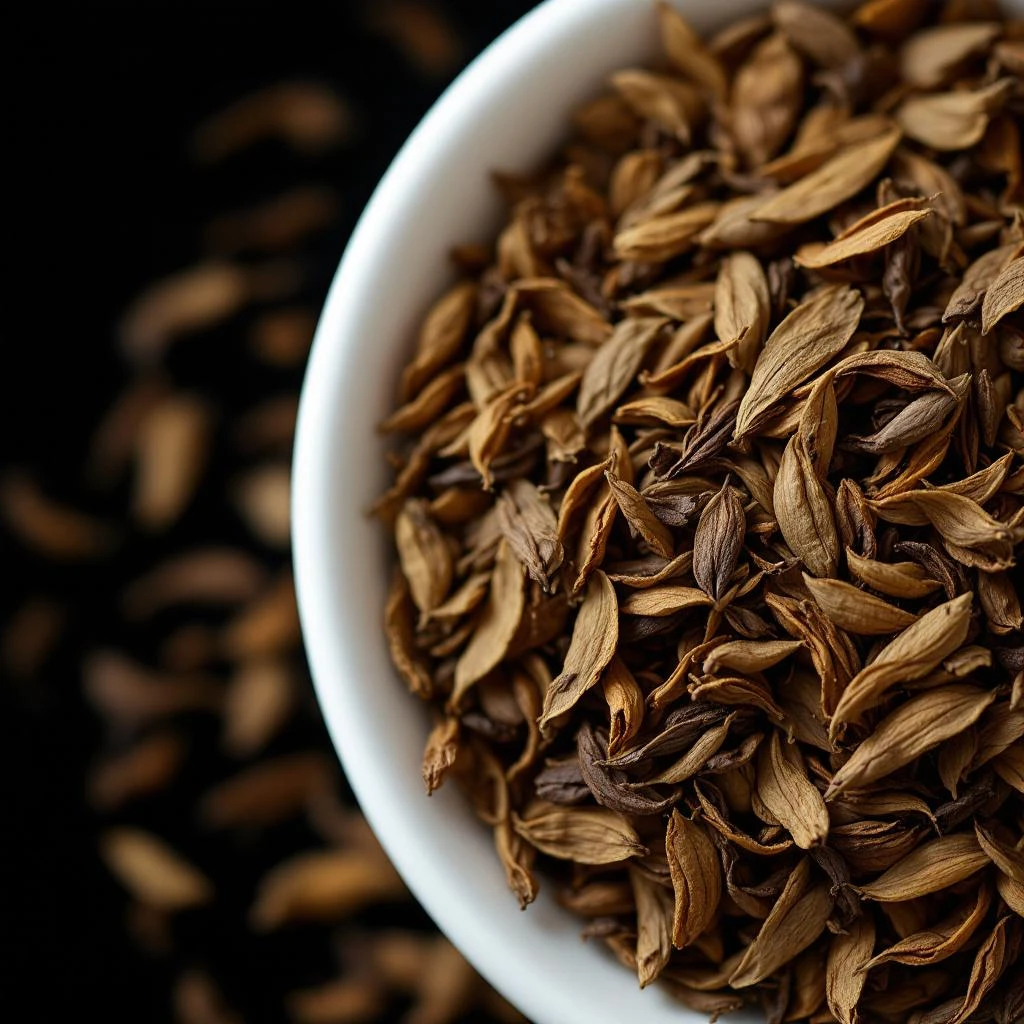
Sap
Tree sap is the living lifeblood of the forest, a viscous aromatic substance that trees produce to heal and protect. In perfumery, saps and their transformed counterparts—resins and gum resins—offer warm, balsamic depths that anchor fragrances for hours.

Character
How it smells
The living pulse of the forest, captured in amber.
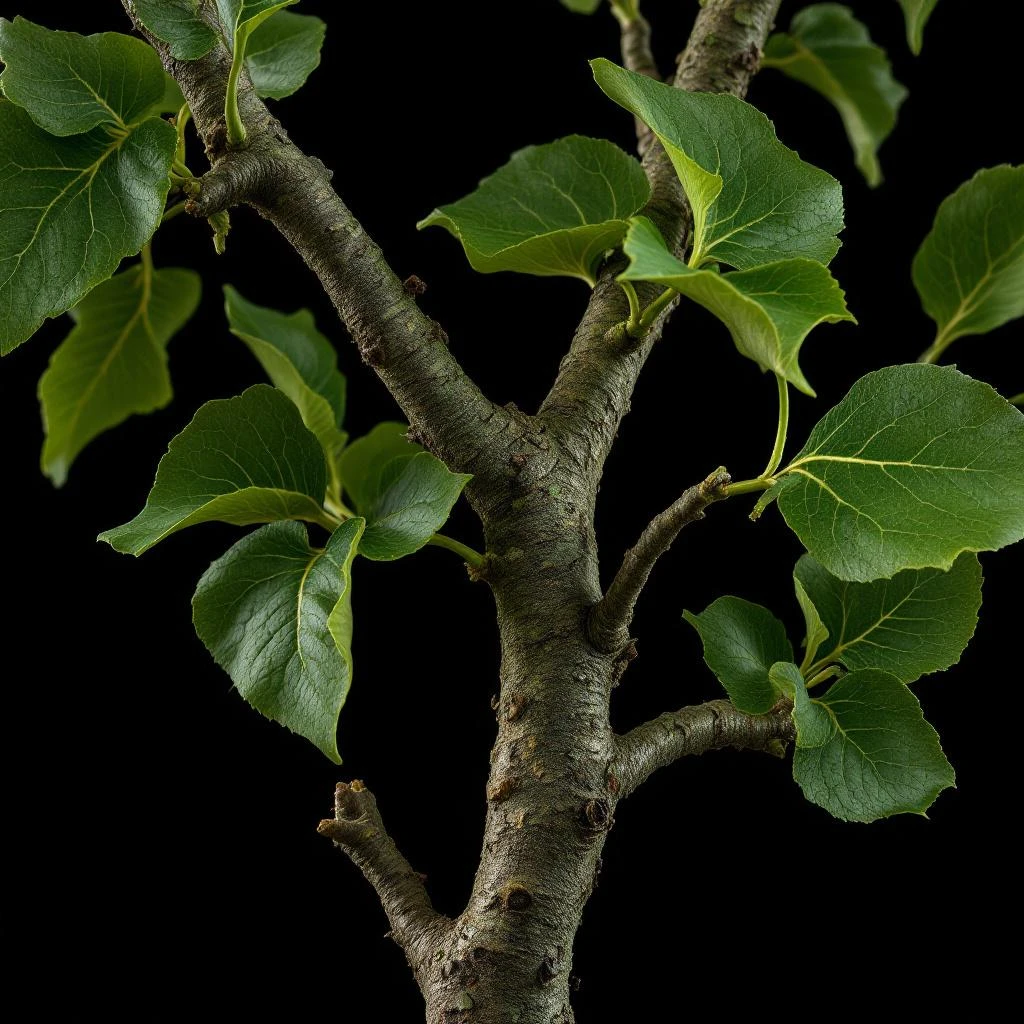
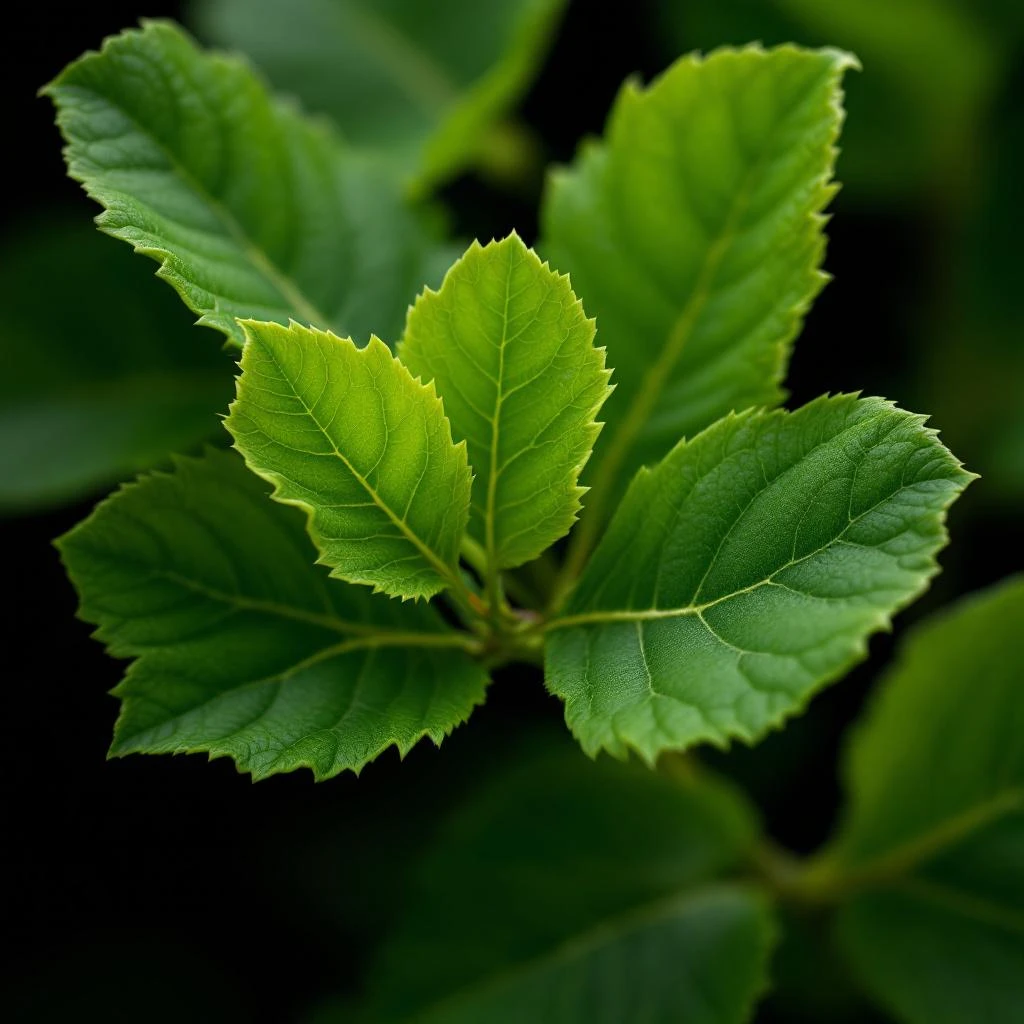
Frankincense trees must be about 10-20 years old before their sap yields fragrance worth harvesting, making each drop a product of patience.


Origin
Oman
Sap and resin materials appear in humanity's oldest aromatic traditions. Ancient Egyptians burned frankincense resin in temples, a practice documented in tomb paintings dating to 1500 BCE. The Egyptian word for incense, kyphi, combined multiple resinous materials for religious and medicinal purposes.
Myrrh held such value in ancient trade that it appears alongside gold in biblical accounts of the Magi. Arabian frankincense routes predated recorded history, connecting Oman and Yemen to civilizations across the Mediterranean. The Greek physician Dioscorides documented sap harvesting in his first-century pharmacological texts.
Trade in these materials shaped economic networks spanning from the Horn of Africa to the courts of Imperial Rome. When synthetic aroma chemicals emerged in the late 1800s, natural saps and resins remained irreplaceable for their complexity and fixative power. Contemporary perfumers continue sourcing these ancient materials from the same regions that supplied civilizations thousands of years ago.
Wears it best
Fragrances featuring Sap
Good to know
Questions, answered
The essentials on Sap in perfumery: how it smells, where it comes from, and how it behaves on skin.
What does sap contribute to fragrance composition?
Sap materials act as fixatives, slowing the evaporation of lighter top notes and adding warm, balsamic depth. They create longevity by anchoring volatile compounds to the skin for hours.
How is sap different from essential oil?
Sap and resin materials yield resinoids through solvent extraction, containing both volatile aromatics and non-volatile waxes. Essential oils capture only the steam-distillable compounds, making resinoids richer and more complex.
Which fragrance families use sap ingredients?
Chypre, oriental, and woody fragrance families rely heavily on sap materials. Benzoin, frankincense, and myrrh appear in countless formulations for their warm, resinous character.
Is sap harvesting sustainable?
Sustainable harvesting involves limiting incision depth and frequency. Frankincense trees in particular face population pressure in some regions, making sourcing from certified suppliers essential.
What does frankincense sap smell like?
Frankincense presents as fresh, slightly camphoraceous, and coniferous with citrus undertones. It dries down to warm, slightly balsamic tones with remarkable staying power on skin.
How old must a tree be before sap harvesting begins?
Frankincense trees typically require 10-20 years of growth before producing harvestable resin. This extended maturity contributes to the premium pricing of high-quality frankincense.
What is the difference between benzoin and storax?
Benzoin comes from Styrax trees native to Southeast Asia, offering sweet vanillic notes. Storax derives from Liquidambar trees and presents darker, smokier characteristics with more leathery facets.
Can synthetic alternatives replace natural sap in perfumery?
No complete replacement exists. While isolated compounds like vanillin mimic certain sap facets, natural saps contain hundreds of trace components that create their characteristic depth and complexity.