The Story
Why it exists.
The beginning
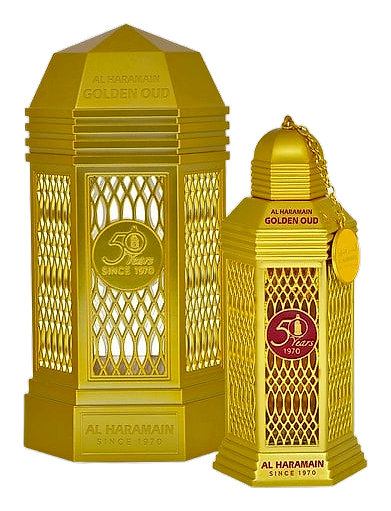
Fifty years is a long time to perfect anything. By 2020, Al Haramain had spent half a century learning how agarwood behaves, how it speaks in the opening, how it settles, what it needs to become something worth remembering. This fragrance doesn't announce that anniversary, it performs it. Every material was chosen to justify the name.
What makes this composition interesting is the structural logic: a sharp, almost aggressive opening that immediately signals authority, followed by a heart that softens nothing but deepens everything. The oud appears twice, in the heart and the base, which means it doesn't arrive and leave. It stays. That's the difference between a fragrance that uses oud and one that understands it.
The evolution
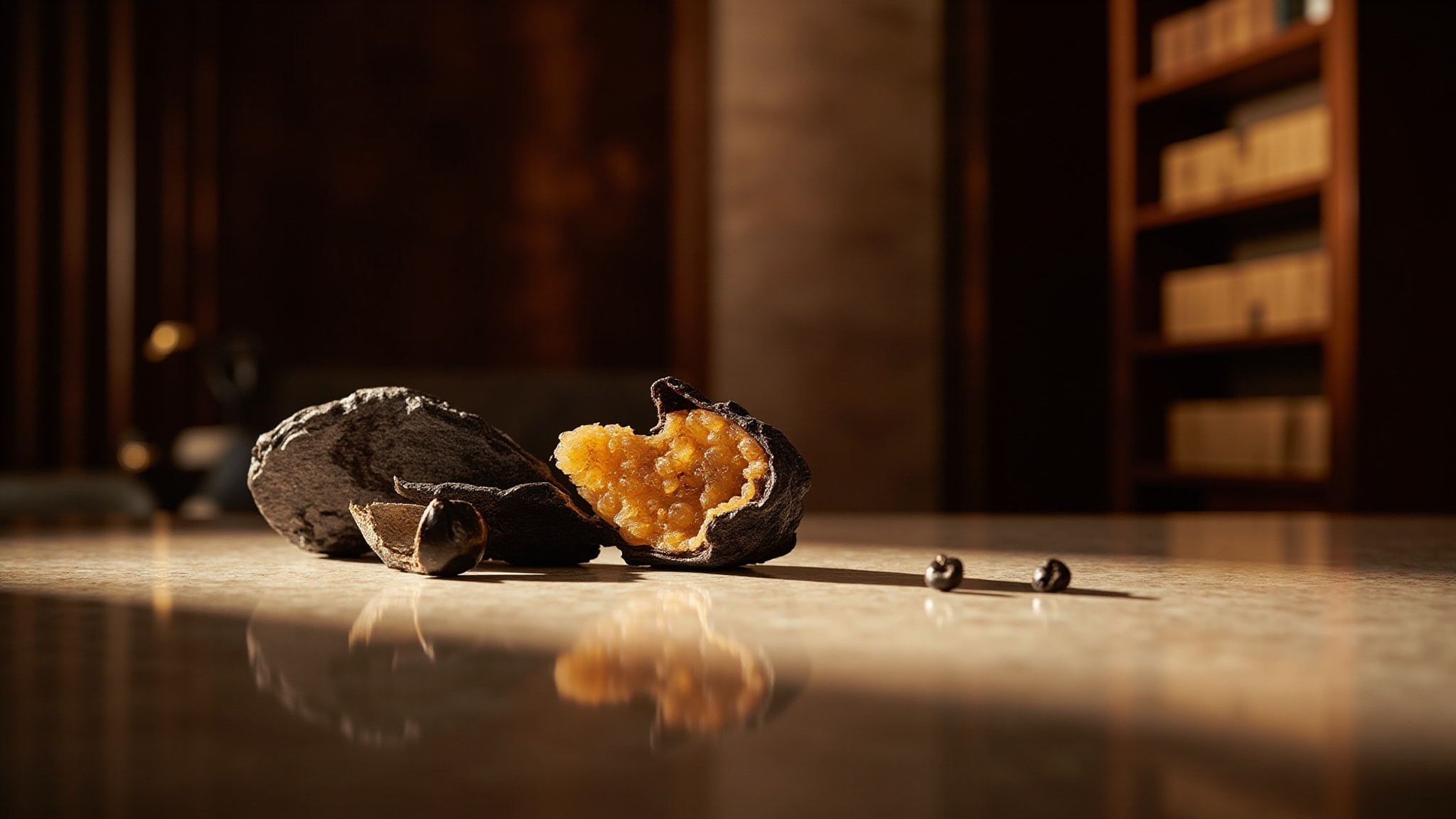
The opening hits like cracked pepper on warm stone, immediate, confident, slightly abrasive in the best way. Sage and thyme arrive within minutes, turning the spice herbal without gentling it. Then the clove decides whether you're staying or leaving. If you're still there, the oud unfolds. Not a gentle reveal, a deposition. It settles heavy and golden over the resinous patchouli, with rose appearing briefly like a flash of something almost delicate before the warmth takes over. By hour four, you're in the drydown: sandalwood cream, musk, and vanilla working together like they've been doing this for decades. It doesn't fade so much as become part of you.
Cultural impact
Golden Oudh occupies a specific position in the modern oriental fragrance landscape: it doesn't try to modernize oud for Western sensibilities. It leans into the full, resinous, slightly animalic character that oud enthusiasts seek. In markets where oud has been diluted into approachable designer formats, this fragrance is a statement, that fifty years of experience produces something that doesn't compromise.