The Story
Why it exists.
The beginning
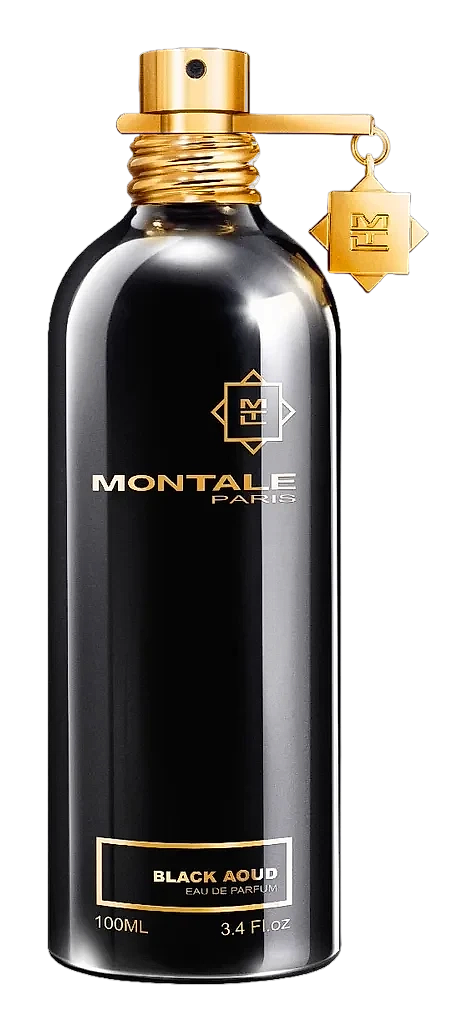
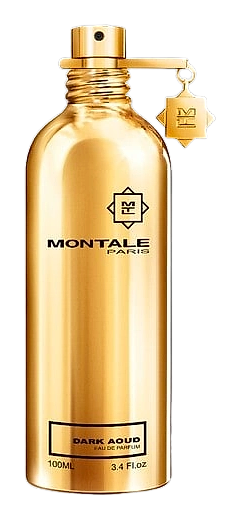
Dark Aoud arrived in 2011 as Pierre Montale's statement on oud, not a softened Western interpretation, but the real thing. Montale had spent years creating for Arabian royalty before returning to Paris in 2003 with a vision: transplant the intensity of Middle Eastern perfumery without compromise. Dark Aoud is that mission distilled. Saffron and cardamom open like a warm invitation, but the heart belongs to agarwood, the legendary material that defines the house. Indian sandalwood settles beneath it all, adding creaminess without dilution. This is oud as it was meant to be worn.
What makes Dark Aoud distinctive is its refusal to compromise on the star ingredient. Oud, agarwood, is one of the most precious and complex materials in perfumery, and Montale treats it as the centerpiece rather than a background note. The supporting materials don't dilute it: they frame it. Saffron adds a medicinal brightness at the opening, black pepper and cardamom bring warmth, leather and cedar deepen the heart into something resinous and dense. The Indian sandalwood in the base doesn't soften the oud, it smooths it, creating a creamy finish that extends the drydown for hours. The pyramid is straightforward but effective: intensity at every level, with each layer reinforcing the one before it.
The evolution
The opening hits with saffron's medicinal brightness cutting through black pepper and cardamom, a brief, sharp encounter before the real story begins. Within minutes, oud takes over completely. Leather and cedar follow, building a heart that's dense, warm, and unapologetically present. The drydown stretches for hours as vetiver and ambergris add earthiness and salt, while Indian sandalwood provides the creamy finish that lingers. The performance data shows 8-10 hours, though some wearers report next-day traces on skin and clothing. Dark Aoud doesn't evolve much, it maintains its position. The sillage is strong, filling spaces rather than whispering. Next-day skin still carries traces of that creamy sandalwood base, a reminder that this fragrance doesn't know how to leave quietly.
Cultural impact
Dark Aoud has earned its place among Montale's most requested fragrances, the house built its devoted following on exactly this kind of bold, unapologetic oud. While many Western houses soften the material for broader appeal, Montale stays true to its roots. The fragrance attracts collectors who prioritize intensity and longevity over subtlety, and it remains in production over a decade after launch, rare in a market that often discards bold compositions. Dark Aoud's enduring presence suggests there's an audience that wants oud the way it was meant to be worn: unapologetically.