The Story
Why it exists.
The beginning
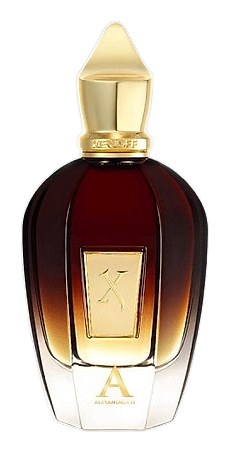
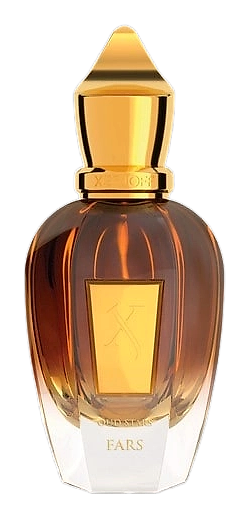
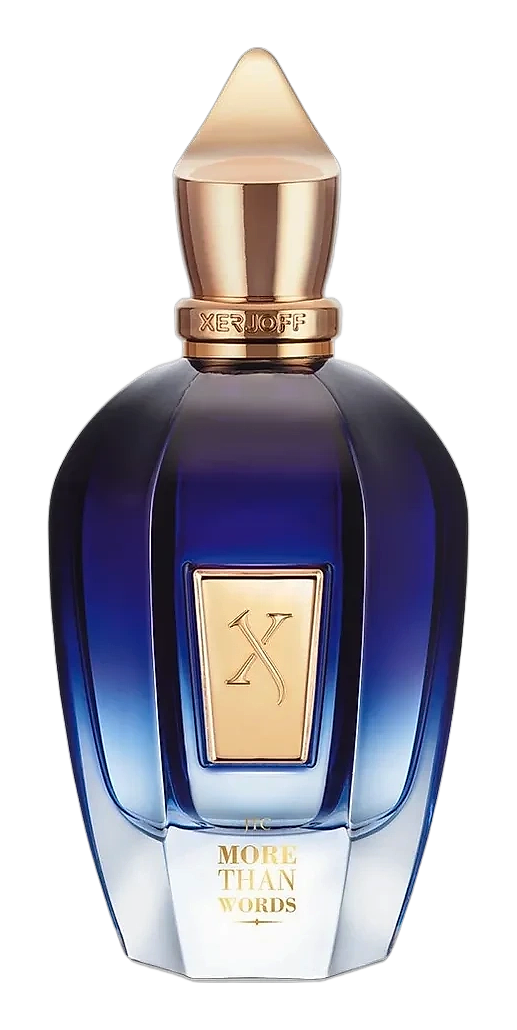
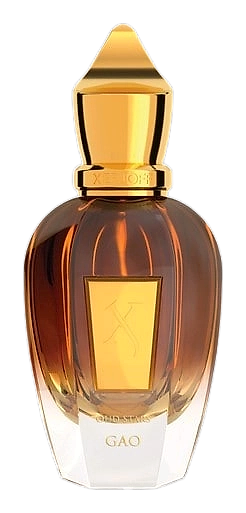
Gao stands as a fragrance built to rise above expectations, a pillar within Xerjoff's Oud Stars collection composed with a clear intention: to create a woody oud fragrance that didn't play it safe. The brief was simple on paper, Spanish saffron, Gurjum balsam, Laotian oud, but the execution hinges on tension. That sharp, almost medicinal saffron at the opening wasn't an accident. It was the point. The composition builds from that initial confrontation, as the saffron tension softens and reveals deeper layers of the Gurjum balsam's resinous warmth, creating an unexpected dialogue between sharpness and sweetness. The Laotian oud anchors the entire structure with its dark, smoky character, bringing an unexpected elegance that elevates the fragrance beyond typical oud fare.
The Gurjum balsam in the heart is the less-discussed decision that makes Gao interesting. Balsam resins aren't commonly paired with oud, they sit in a different register, warmer and more diffuse, and they require the wearer to be patient. Cypriol oil, sometimes called Nagarmotha, adds a smoky, earthy dimension that sits between the two. It's the note that gives Gao its slightly feral quality, the one that keeps it from smelling polished. The Laotian oud in the base anchors everything. Not the clinical, commercially sterile oud that has become common, something with more texture, more history in the bottle.
The evolution
The opening arrives sharp and medicinal. That Spanish saffron doesn't introduce itself so much as announce itself, and this is where opinions split. Some find it off-putting; others recognize it as the signature move. Give it thirty minutes. The Gurjum balsam and Cypriol oil begin their work, warming the composition, smoothing the edges. The camphor-like quality that bothered in the first minutes starts to feel intentional, a bridge between the sharp opening and the deep base that follows. The Laotian oud arrives as the real anchor. This is where Gao earns its reputation. The oud pulls everything together, adding resinous depth that lingers for hours once it settles. This is the drydown that wearers describe as tenacious, the part that stays close to the skin long after the top notes have faded, the reason Gao becomes a signature rather than a passing acquaintance.
Cultural impact
Gao occupies a distinctive position in the oud landscape, offering a fragrance that prioritizes character over broad appeal. The composition opens with a saffron-forward approach that immediately sets it apart from more conventional offerings, creating a sensory signature that demands attention. TheLaotian oud provides a smoky, complex foundation that gives the fragrance its structural backbone. As the scent develops, the Gurjum balsam emerges with its warm, resinous quality, tempering the initial intensity while maintaining the overall sense of purpose.