The Story
Why it exists.
The beginning
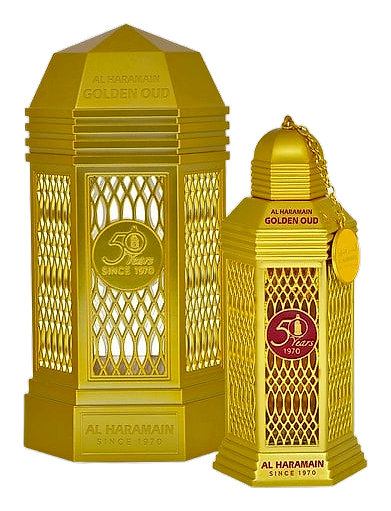
Al Haramain traces its roots to 1970 in Mecca, founded by Kazi Abdul Haque after encountering agarwood during pilgrimages between holy sites in Saudi Arabia. The house built its identity on oriental oud creations that honor traditional agarwood craftsmanship while adapting to modern perfumery sensibilities. Black Oud reflects this lineage without simply repeating it, using cardamom, clove, and black pepper in the opening as an aromatic prelude that signals the fragrance is not simply another oud heavy offering but something more layered. The oud at the heart takes its rightful place, surrounded by woody and smoky elements that support rather than overwhelm. The drydown grounds everything in warm, resinous depth via tonka bean, sandalwood, and vanilla, creating a complete narrative that moves from bright spice to dark wood to comforting sweetness.
Al Haramain has always been defined by its pursuit of agarwood excellence, and Black Oud represents how the house thinks about oud in the modern context. The fragrance demonstrates how oud interacts with and transforms other materials. Spices sharpen it. Florals soften it. Woods deepen it. The final accord of tonka, vanilla, amber, and musk creates something that feels complete rather than raw. The house philosophy centers on creating oud that speaks to contemporary wearers without abandoning the traditions that give agarwood its cultural weight. Black Oud works best applied with restraint, as the oud and spice elements have enough presence to fill a room when used liberally.
The evolution
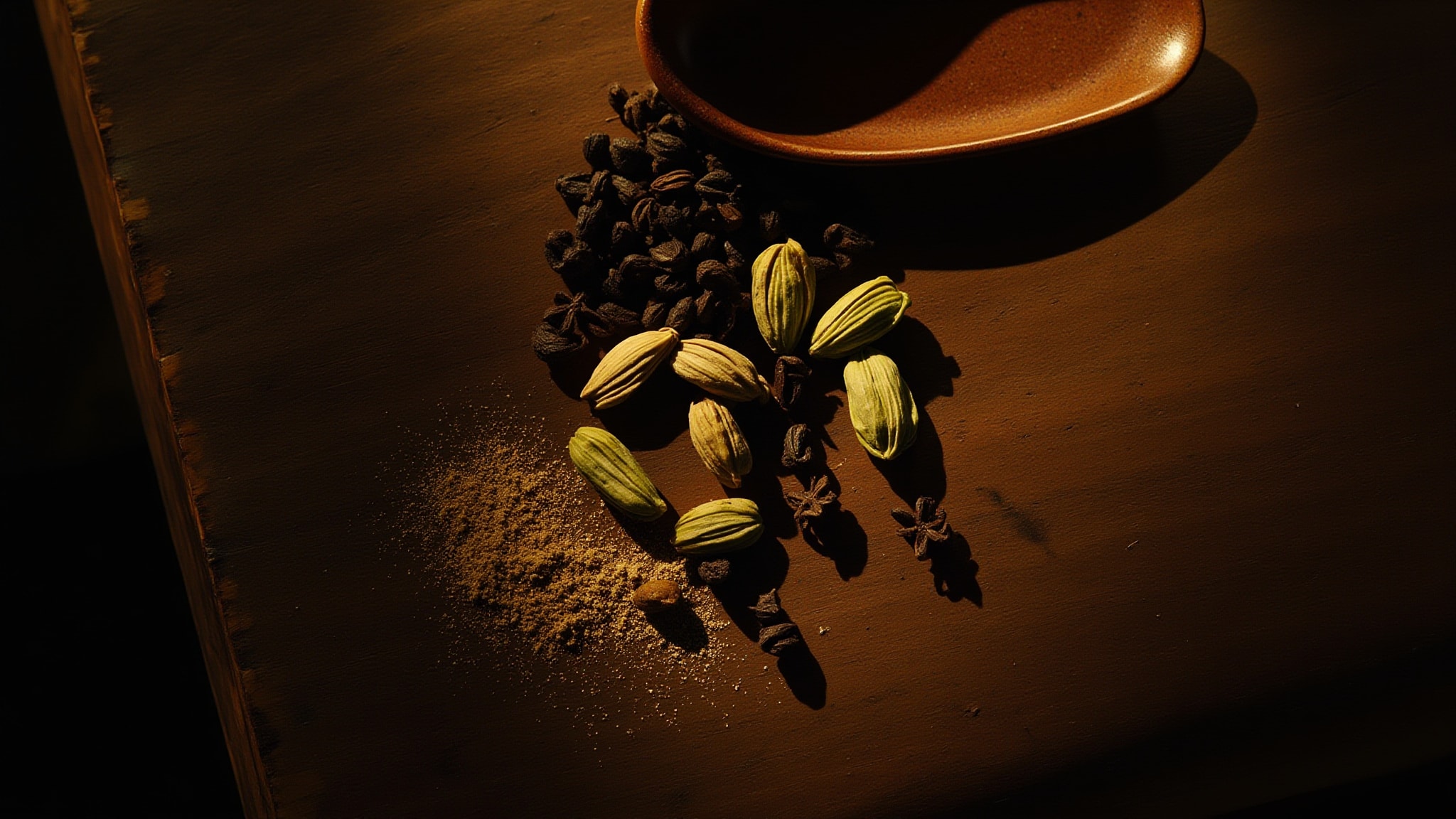
Black Oud begins with an opening that commands attention through cardamom, clove, black pepper, and thyme. This initial chapter is bold, aromatic, and unapologetically spicy, establishing the fragrance as something that will not disappear quietly into the background. The spices create a dynamic, almost crackling energy that lasts long enough to be noticed by those nearby before transitioning into the heart. The heart reveals oud as the dominant player, supported by vetiver and cedarwood that add earthiness and dry woodiness. Rose appears as a subtle counterweight, its floral softness preventing the heart from becoming purely masculine or austere. The drydown is where patience gets rewarded, as tonka bean, sandalwood, vanilla, amber, and musk create a warm, enveloping blanket that stays close to the skin for hours, slowly evolving and revealing new facets as time passes.
Cultural impact
Black Oud reflects a deep-rooted tradition in Middle Eastern perfumery, where oud has been prized for centuries as a symbol of luxury and status. Its smoky, resinous character has been used in ceremonial occasions, royal courts, and festive celebrations, linking modern wearers to a heritage of craftsmanship and cultural identity. The blend of pepper, cardamom, cloves, and thyme adds a contemporary twist while honoring the historic reverence for oud in art, music, and social rituals across the region, making the fragrance a bridge between past customs and present tastes.