The Story
Why it exists.
The beginning
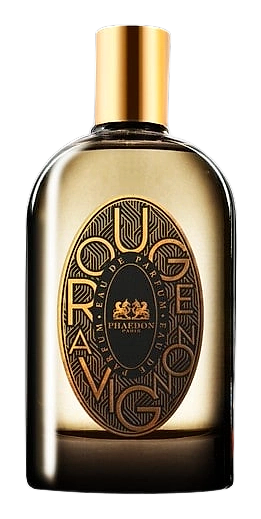
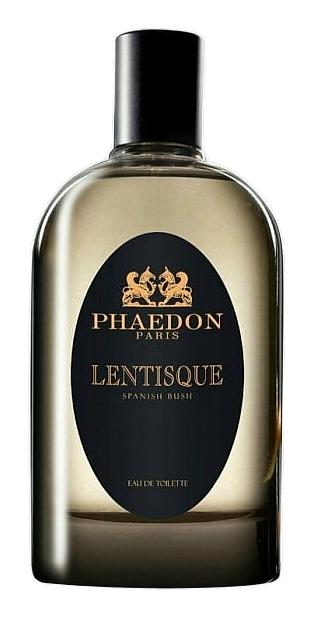
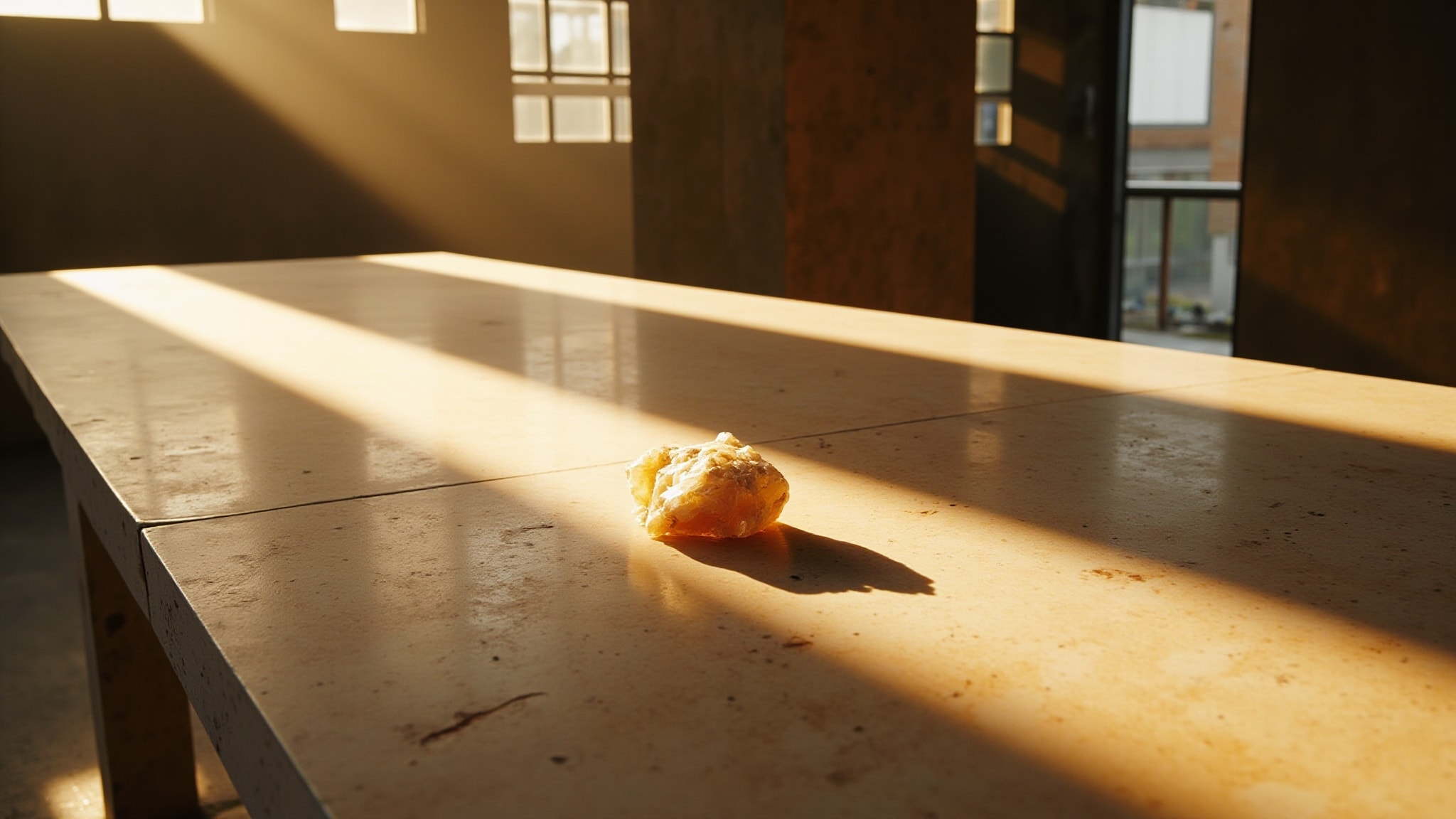
Lentisque is built around a single raw material: the resin of the Pistacia lentiscus tree, the lentisk, a scrubby evergreen that bleeds a pale, citrus-edged sap when its bark is cut. The tree grows wild across Greece, Corsica, Spain, North Africa. Its resin, mastic, has been chewed, burned, dissolved into ouzo and frozen yogurt and poultices for centuries. Phaedon took that raw material and built a composition around it, rather than treating mastic as a background curiosity. Lentisque is, in essence, a portrait of one ingredient rather than a Mediterranean postcard. The opening carries that resinous brightness almost immediately, a green-sharp snap that reads more like torn leaves and crushed twig than like any citrus you can name.
What makes Lentisque interesting is the choice to foreground mastic twice, once in the opening and again as an absolute in the heart. Most fragrances use resin as a supporting actor, a base note sweetener. Here it is the lead. The galbanum that opens the composition is one of perfumery's most aggressive green materials, sharp and almost bitter, and it gives the mastic a runway: something cool and vegetal for the resin to push against. Labdanum and dry woods in the heart bring warmth without sweetness, keeping the whole thing on the green side of green rather than tipping into amber territory. The cedar and vetiver in the base ground the composition with something dry and slightly smoky.
The evolution
The opening belongs to galbanum. It is sharp, almost metallic, like the smell of a stem snapped between fingers on a hot day. The mastic arrives quickly underneath, softening that bite with a resinous, faintly lemony warmth. There is no citrus burst, no bergamot sparkle, just the green-sharp and the resin-warm meeting in the middle. Soon the galbanum steps back and the mastic absolute takes over, joined by labdanum and a dry woody undertone that smells closer to pencil shavings and warm bark than to any recognizable tree. The composition stays remarkably linear. It does not transform dramatically so much as deepen. The cedar and vetiver emerge gradually, bringing a dry, slightly rooty quality that reads more like forest floor than like furniture polish. Ambergris in the base gives it a faint saline lift, and the musk keeps everything close to skin.
Cultural impact
The mastic note itself remains unusual in mainstream perfumery, which gives Lentisque a specific appeal to wearers who want to smell like something most people have never encountered. Most fragrances that touch on green or resinous territory lean on materials that have become familiar through decades of commercial use: vetiver, oakmoss, patchouli, the usual workhorses. Lentisque sidesteps that vocabulary almost entirely. The mastic absolute at its center carries a brightness that reads closer to fresh sap than to any of those established green notes, and the surrounding composition reinforces that unfamiliarity rather than smoothing it over.