The Story
Why it exists.
The beginning
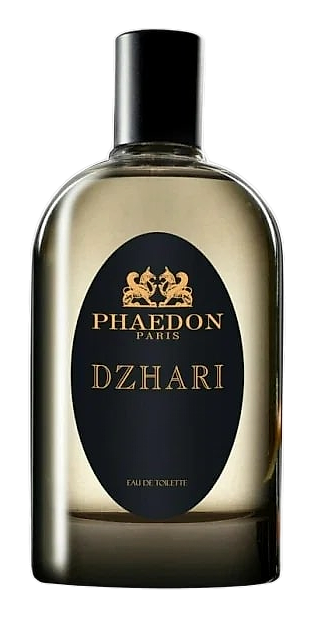
Dzhari arrived in 2011, composed by Pierre Guillaume, who built the scent around warmth, ferment, and ground rather than citrus or cologne tropes. The name itself stands for the Libyan desert wind, a reference to a dry, carrying gust that pushes across open terrain. That wind-as-naming convention gives the fragrance a specific atmospheric anchor: nothing floral, nothing bright, nothing safe. Dzhari reads like an after-hours bazaar. The stalls are closed, the cups are still out, and the wine has had time to settle into the wood. Guillaume's composition leans into the low, grounded register, with dates and Malaga wine opening the door before loam and mineral notes take over the middle and dry down. It's not a clean scent. It doesn't want to be.
What's interesting here is the structural inversion. The gourmand elements (dates, Malaga wine, tonka) are the greeting, but loam sits in the heart, not the base. That single placement decision turns the whole composition into something less confectionery and more archaeological. The sweetness is the first thing you smell, and also the first thing that gets buried, replaced by the mineral, damp, almost cellar-like smell of turned earth. As the hours pass, that earthy register grows more insistent while the fruit fades into a dried, leathery whisper.
The evolution
The first fifteen minutes belong to dates and that fortified-wine warmth. It smells almost edible, almost boozy, the kind of sweetness that makes you check whether your wrist is sticky. Then the loam arrives, and the question shifts. The fruit doesn't vanish; it just gets buried under something quieter, heavier, cooler. Cedar and sandalwood surface in the drydown, carrying cashmeran's soft, skin-warmth quality against the mineral backbone. What started as a dessert plate becomes a cellar floor with a glass left on the table. By hour four, the fruit is a memory and the wood-soil accord is what stays. By hour six-plus, you're left with a low cedar-amber hum close to the skin, the kind of drydown that someone catches when they lean in. It improves with wear. The first sniff is the least interesting hour.
Cultural impact
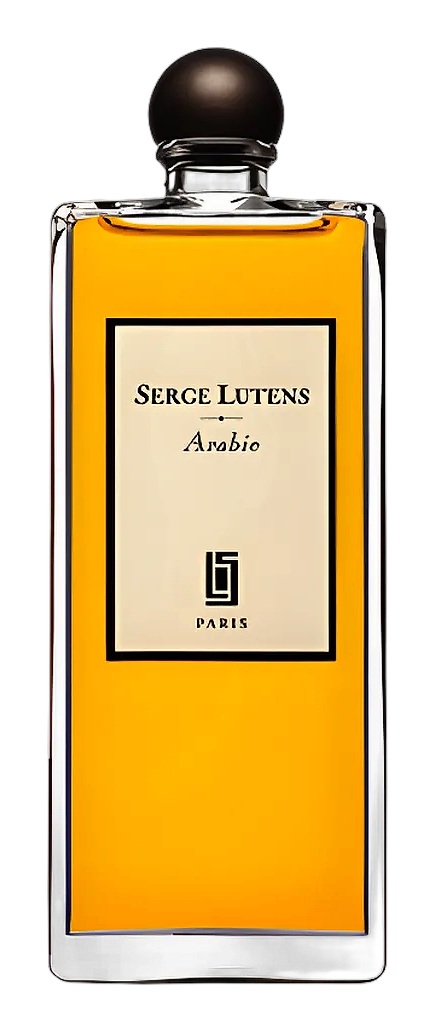
Dzhari sits alongside Serge Lutens' Arabie in Parfumo's 'similar' fragrance listings, a pairing that suggests both compositions share a territory of dense, wine-soaked sweetness giving way to something darker and earthier. The comparison points to a particular tradition of gourmand-adjacent orientals: fragrances that lead with confection and then strip back to reveal resin, soil, and smoke underneath. Dzhari's combination of dates, Malaga wine, tonka, and loam places it squarely in that lineage.