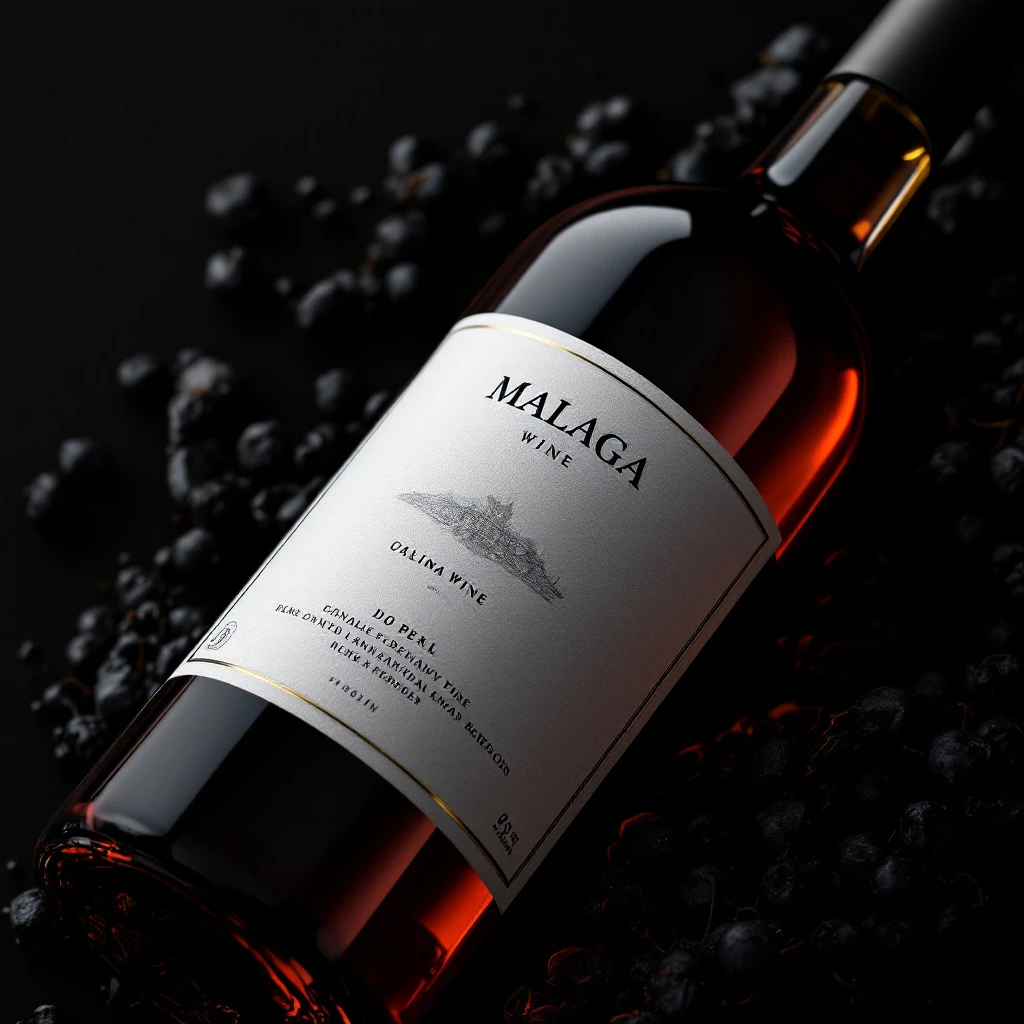
Malaga Wine
Malaga wine brings warm, sun-ripened grape character to perfumery. This fortified Spanish note carries deep vinous sweetness with hints of dried fig, raisin, and a subtle boozy undertone that anchors gourmand compositions.
Character
How it smells
Sun-ripened grape, fortified and fragrant
Malaga wine has been produced in Andalusia since at least 600 BC, with Phoenician traders first cultivating vines on the region's steep limestone slopes.
Pairs beautifully with



Origin
Spain
The Málaga wine region in southern Spain holds one of Europe's oldest winemaking traditions, with vines planted by Phoenician merchants around 600 BC. When the Romans arrived, they expanded production and exported Málaga sweet wines across the empire, where they were prized as dessert wines and used in cooking.
By the 18th and 19th centuries, Málaga wine reached tables across Europe and the Americas, becoming a symbol of Andalusian luxury. Its entry into perfumery came through the gourmand movement of the late 20th century, when perfumers began experimenting with edible and beverage-inspired notes.
The deep, raisined character of aged Málaga, particularly the Pedro Ximénez variety, offered a bridge between fruit and wine accords. Today it appears in niche compositions seeking authenticity in boozy or vinous themes, lending a rounded, slightly oxidized warmth that reads as both familiar and sophisticated.
Wears it best
Fragrances featuring Malaga Wine
Brands
Brands known for Malaga Wine
Good to know
Questions, answered
The essentials on Malaga Wine in perfumery: how it smells, where it comes from, and how it behaves on skin.
What does Malaga wine smell like in perfume?
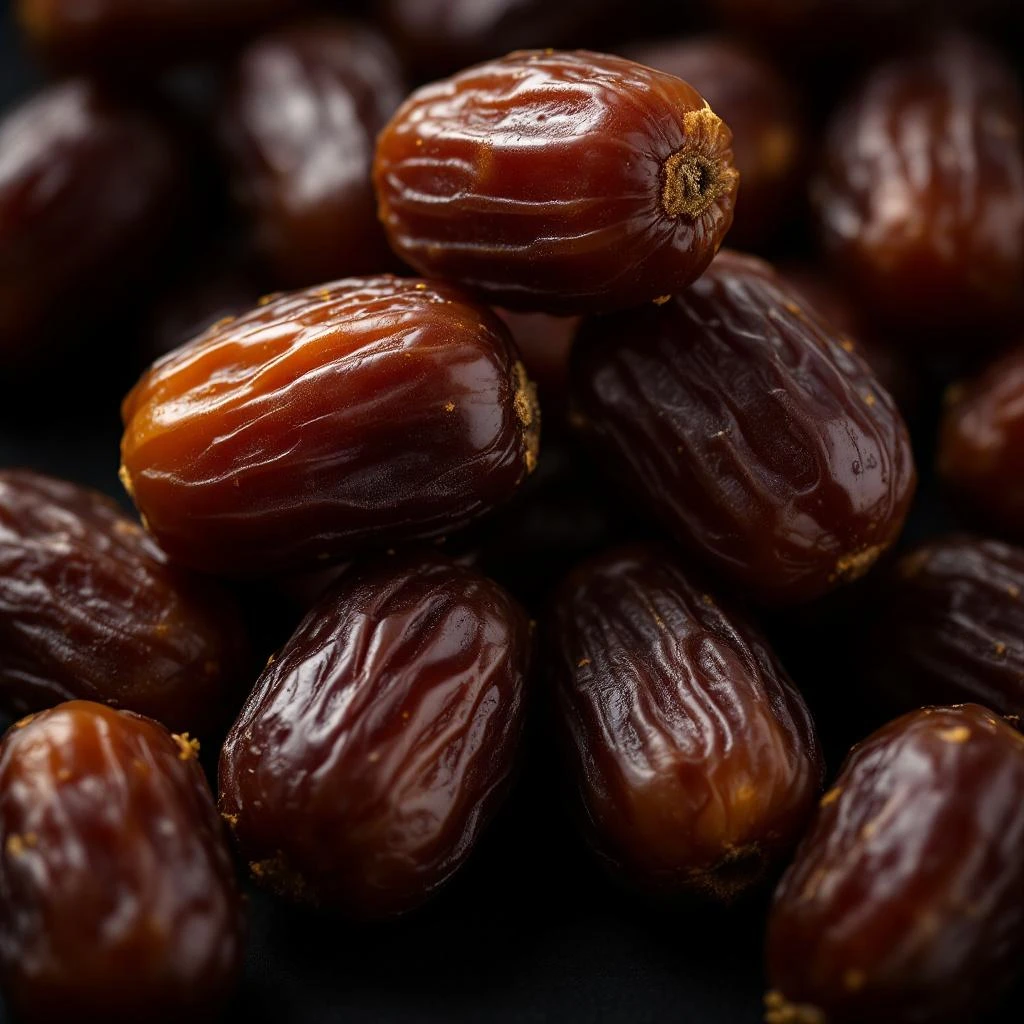
Malaga wine accord smells of sun-dried raisins, stewed fig, and caramelized brown sugar with a soft boozy warmth. It reads as deeply sweet yet slightly oxidative, similar to aged Pedro Ximénez sherry with woody undertones.
Is Malaga wine a natural or synthetic fragrance ingredient?
It can be either. Natural versions use vacuum-distilled aged Malaga wine, while many commercial interpretations blend synthetic esters and furfural derivatives. Both approaches aim to capture the same vinous, raisined character.
What grapes make Malaga wine?
Malaga wine is primarily made from Pedro Ximénez and Moscatel (Muscat of Alexandria) grapes. These two varieties account for most quality Málaga production and contribute the note's characteristic honeyed, dried-fruit intensity.
Where does Malaga wine come from?
Malaga wine originates from the Axarquía region in Andalusia, southern Spain. Vineyards grow on steep limestone slopes overlooking the Mediterranean at roughly 36.7°N latitude.
How is Malaga wine made?
Grapes are sun-dried to concentrate sugars, then fermented and fortified with neutral grape spirit. The wine ages in American oak casks using the solera method, building oxidative complexity over many years.
What perfume styles use Malaga wine notes?
Gourmand and oriental fragrances use it most, where its vinous sweetness complements vanilla, tonka, and amber bases. It also appears in boozy or festive compositions seeking authentic dark-fruit depth.
Is Malaga wine sweet or dry?
Most Malaga wines are sweet, particularly the legendary Pedro Ximénez style with over 300 grams of residual sugar per liter. Dry versions exist but are less common and less frequently referenced in perfumery.
How old is Malaga wine production?
Malaga wine production dates back roughly 2,600 years to Phoenician settlers around 600 BC. The Romans later expanded viticulture here, making it one of Europe's oldest continuous winemaking regions.