The Story
Why it exists.
The beginning
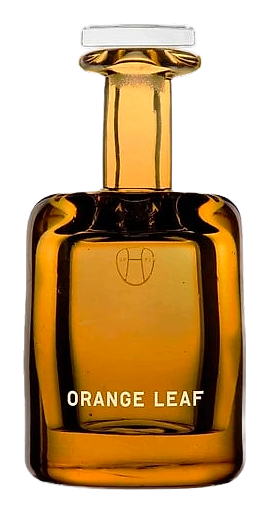
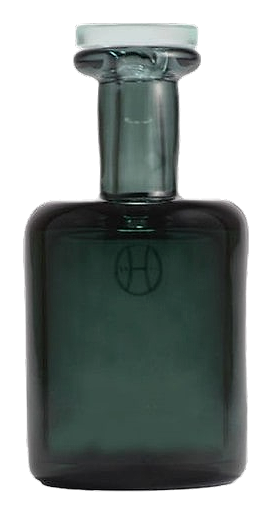
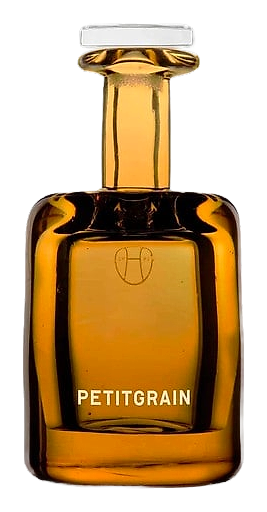
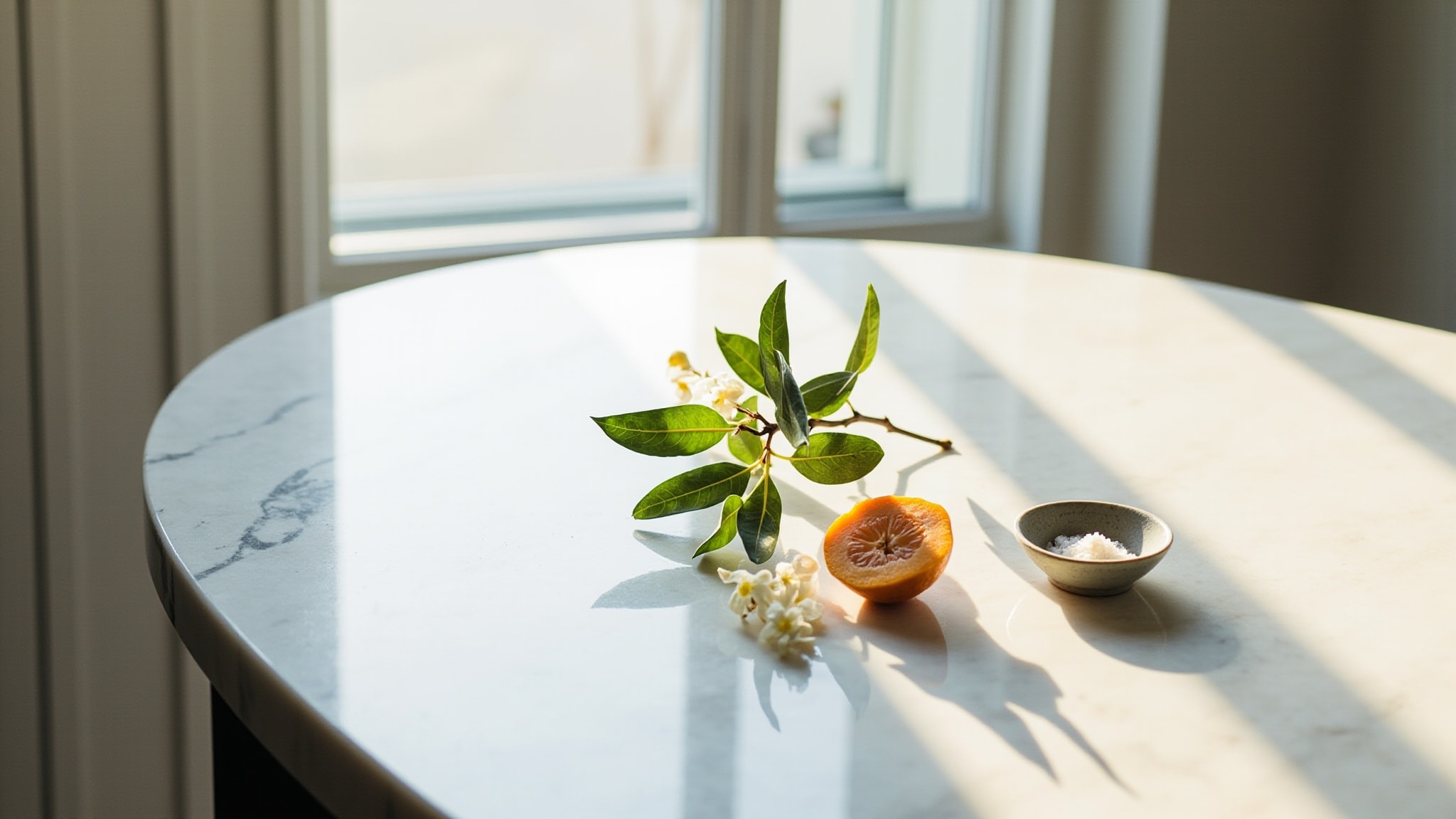
Petitgrain arrived in 2019 as Harris's tribute to the orange tree in all its voices, not the fruit, but the leaf. The official description frames it as a way to bring "an interesting twist to this cologne," with petitgrain from Paraguay at the centre, flanked by neroli and orange blossom from Tunisia. The composition leans into the green, bitter side of the bitter orange, the material that's steam-distilled from the leaves and twigs rather than pressed from the peel. There's a snap to it, a greenness that reads more like snapped foliage than juice, and it's threaded through the citrus top notes rather than sitting beneath them. Bergamot, lemon, and orange open the composition with their familiar sharp lift, but the petitgrain reorients everything toward something more austere.
Petitgrain is one of perfumery's most technically interesting materials because it comes from the same tree as neroli and orange blossom, yet reads quite differently on skin. The leaves and twigs of the bitter orange tree yield an oil that's green and slightly bitter, closer in character to raw herbs than to anything floral. The note has a leafy, almost twig-like quality that distinguishes it from the sunnier, more honeyed neroli and the creamy fullness of orange blossom absolute.
The evolution
The opening is pure cologne structure: bergamot, lemon, and orange hit bright and almost effervescent. The petitgrain arrives early and doesn't wait for permission, introducing a green, leafy sharpness that sits alongside the citrus rather than beneath it. As the composition warms on skin, the neroli and orange blossom unfurl underneath, adding a creamy, slightly honeyed warmth that takes the edge off the citrus without killing it. The white musk base eventually emerges, turning the composition slightly more transparent and skin-like as hours pass. What's unexpected is how long the rosemary hangs on. Its herbal, camphorated note persists well into the drydown, lending a clarity that gives the composition an herbal backbone throughout. The neroli-musk-rosemary trace keeps close to skin, complex enough to keep checking your wrist.
Cultural impact
The composition rewards wearers who like their citrus with some backbone, appealing to anyone who'd rather smell like a clean, sunlit garden than a cocktail bar. It belongs to a broader current of citrus compositions that have returned to prominence in recent years, the kind that take the cologne template seriously without inheriting its associations with cheapness or disposability. The rosemary gives it a herbal weight that most citrus fragrances avoid, and the neroli-orange blossom pairing keeps it from tipping fully into the green, bitter register.
The House
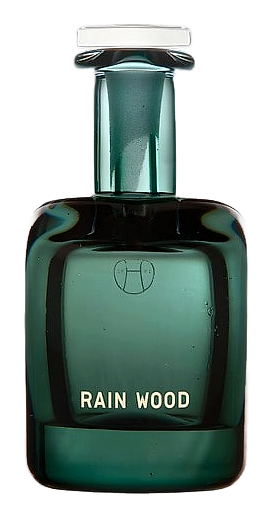
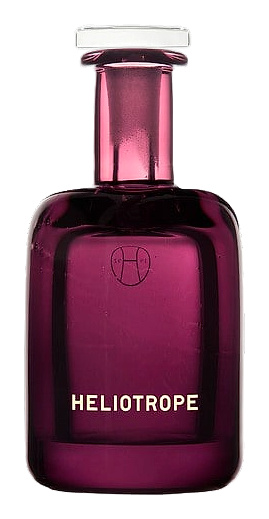
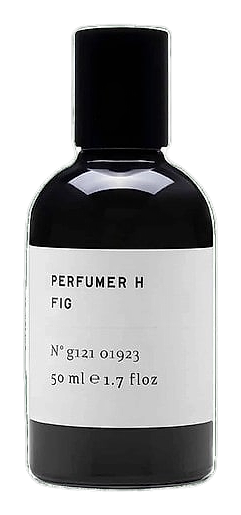
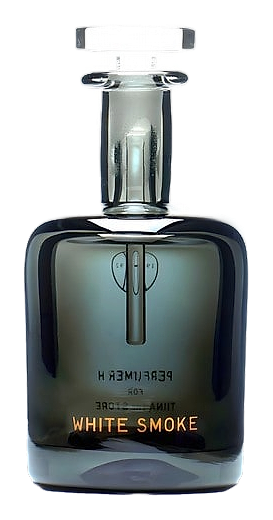
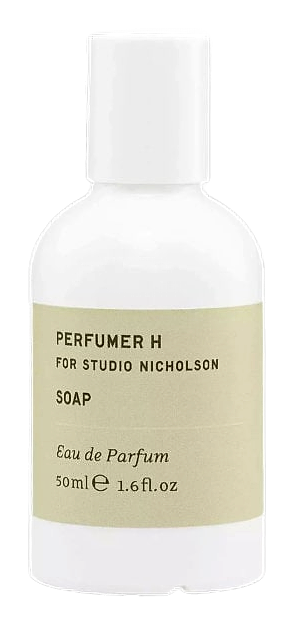
Perfumer HPerfumer H is a London‑based fragrance house that puts the nose of British perfumer Lyn Harris at the centre of every bottle. Since its launch in 2015 the label has offered a compact catalogue of single‑note and minimalist blends, each built around a clear scent idea. The brand’s releases – from Heliotrope (2015) to Soap (2026) – read like a personal diary of ingredients, inviting collectors to explore familiar materials in fresh contexts.
The Creator
Lyn HarrisHarris favors a minimalist architecture, building around a dominant natural note and supporting it with subtle accents. She often begins with a single flower, resin or wood, then layers thin, measured traces of spice, citrus or green foliage.